Nike Free shoes have been celebrated for over a decade as pioneers in the movement toward more natural, barefoot-like running and training experiences. But as the Nike Free range has grown, so has the challenge of choosing the right model—each designed with specific activities, foot types, and preferences in mind. Whether you’re a seasoned runner, a gym enthusiast, or someone seeking flexible everyday footwear, understanding the differences between various Nike Free models can make all the difference. In this comprehensive guide, we’ll break down the key features, performance aspects, and best uses for different Nike Free models to help you confidently select the pair that’s perfect for you.
The Evolution of Nike Free: A Quick History
Launched in 2004, the original Nike Free was inspired by Stanford athletes who trained barefoot on grass to strengthen their feet. Designers set out to create a shoe that delivered the freedom and flexibility of barefoot movement, while still providing some protection and support. The result was a revolution: a lightweight, ultra-flexible shoe with deep grooves in the sole for natural foot movement.
Since then, Nike has introduced a variety of Free models, each fine-tuned for different athletic needs and lifestyles. Today, you’ll find Nike Free shoes for running, training, and casual wear, with variations in cushioning, flexibility, and support. The naming convention—such as Free RN, Free TR, or Free Run 5.0—can be confusing, but each model targets a distinct audience and activity.
.png)
Key Features That Set Nike Free Models Apart
To make sense of the Nike Free lineup, it’s important to understand the core features that differentiate the models:
1. Flexibility: All Nike Free shoes feature deep sole grooves, but the degree of flexibility varies. The lower the number in the model (e.g., Free RN 3.0), the closer it mimics barefoot movement. 2. Cushioning: Some Nike Free shoes add more foam for comfort, while others keep it minimal for a greater barefoot feel. 3. Intended Use: Certain models are engineered for running (RN), others for training (TR), and some for lifestyle wear. 4. Upper Construction: Mesh, Flyknit, and engineered materials offer different fits, breathability, and support. 5. Weight: Lighter models suit speed and agility, while slightly heavier versions offer more structure.For example, the Nike Free RN is tailored for runners who want some cushioning but plenty of flexibility, while the Nike Free TR is optimized for multidirectional movement in the gym.
Comparing Popular Nike Free Models: RN, TR, and More
Let’s break down the most popular Nike Free models and their ideal uses. The following table summarizes key differences at a glance:
| Model | Best For | Flexibility | Weight (Men’s size 10) | Main Upper Material | Key Feature |
|---|---|---|---|---|---|
| Nike Free RN 5.0 | Natural running, daily wear | High | 8.2 oz | Engineered mesh | Barefoot-like ride, moderate cushioning |
| Nike Free RN Flyknit | Longer runs, enhanced fit | Moderate | 7.6 oz | Flyknit | Snug, sock-like upper, lightweight |
| Nike Free TR 8 | Gym, HIIT, cross-training | Moderate | 8.9 oz | Mesh/synthetic | Supportive midsole, stability for lateral moves |
| Nike Free Run 2 | Casual wear, walking | Moderate | 8.4 oz | Mesh/leather overlays | Iconic side cutouts, lifestyle design |
| Nike Free Metcon | Strength training, CrossFit | Lower | 10.6 oz | Mesh/TPU | Reinforced for heavy lifting, durable outsole |
These models represent the broad spectrum of Nike Free options, each with a unique combination of flexibility, support, and intended use.
Choosing the Right Nike Free for Your Activity
Your ideal Nike Free model depends heavily on how you plan to use the shoes. Here’s a breakdown by activity:
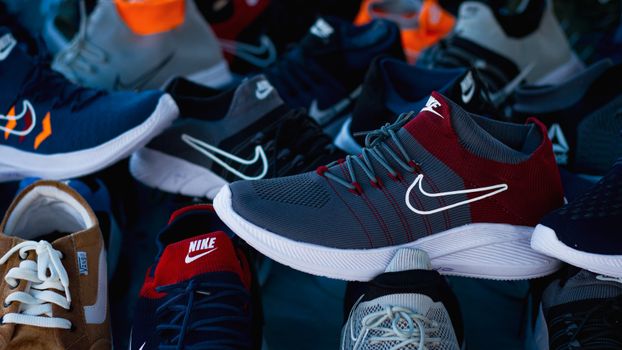
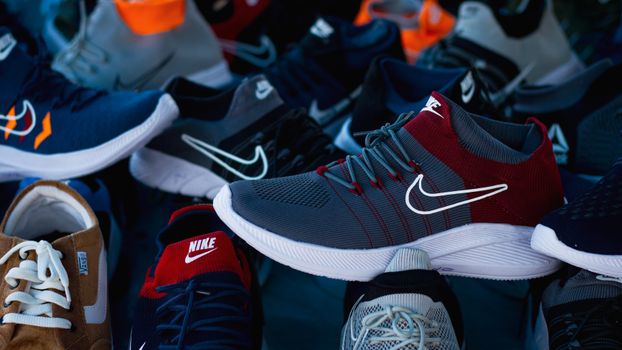
Running: If you seek a natural, flexible running experience, the Nike Free RN 5.0 or Free RN Flyknit is your best bet. The Free RN 5.0 is one of the closest to barefoot running in the lineup, boasting high flexibility and minimal cushioning for responsive ground feel. In contrast, the Free RN Flyknit adds a touch more cushioning and a highly adaptive upper, making it suitable for longer distances or those who want a snug fit.
Training and Gym: The Nike Free TR series (such as the Free TR 8) is designed for agility drills, HIIT, and gym workouts. These models include a slightly stiffer sole and reinforced sidewalls for stability during lateral movements. If you’re into CrossFit or heavy lifting, the Nike Free Metcon is a smart choice—it’s heavier but offers unmatched durability and a stable platform.
Everyday and Lifestyle: For all-day comfort and style, models like the Nike Free Run 2 blend iconic design with moderate flexibility and support. They’re perfect for walking, errands, and casual settings, thanks to their retro-inspired look and plush feel.
According to a 2022 Nike consumer survey, over 60% of buyers chose their Free model based on primary activity rather than looks or price—a testament to the importance of matching the shoe to your needs.
Fit, Comfort, and Durability: What to Expect
Nike Free shoes are renowned for their "barely there" feel, but that doesn’t mean they all fit the same. Here’s what you should know before you buy:
Fit: Most Nike Free models run true to size, but the Flyknit versions can feel snug due to their sock-like construction. If you have wide feet or prefer a roomier toe box, try on both mesh and Flyknit versions before deciding.
Comfort: The deep sole grooves allow your foot to flex naturally, reducing foot fatigue on short runs or gym sessions. However, if you’re used to heavily cushioned shoes, the transition to Nike Free may require an adjustment period.
Durability: While Nike Free shoes are built for flexibility and comfort, they typically have a lifespan of 300-400 miles for running models, due to lighter materials and less outsole rubber. Training models like the Free Metcon use more durable compounds and can withstand repeated abrasion from gym floors and equipment.
A 2023 independent wear-test found that the Nike Free RN 5.0 maintained 85% of its flexibility after 200 miles of running, showing impressive longevity for a minimalist shoe.
Who Should (and Shouldn’t) Choose Nike Free Shoes?
Nike Free shoes have a devoted following, but they’re not for everyone. Here’s who will benefit most:
Ideal For: - Runners seeking to strengthen their feet or improve form with a natural stride - Gym-goers wanting lightweight, flexible shoes for agility and functional training - People who value all-day comfort and minimalist style for everyday wear Not Ideal For: - Runners who need maximum cushioning or arch support (e.g., for long distances or injury recovery) - Individuals with chronic foot or joint issues who require orthopedic-grade support - Those seeking shoes for rugged trails or highly technical terrainIt’s worth noting that studies show regular use of flexible, minimalist shoes like Nike Free can help increase foot muscle strength and proprioception. However, experts recommend gradually transitioning to avoid overuse injuries—especially if you’re used to traditional, structured running shoes.
Expert Tips for Getting the Most from Your Nike Free Shoes
To maximize the benefits and lifespan of your Nike Free shoes, consider these tips:
1. Rotate Your Shoes: Alternate with other running or training shoes to avoid excessive wear and allow your feet to recover. 2. Ease Into Minimalism: If you’re new to flexible footwear, start with short runs or gym sessions and gradually build up mileage. 3. Keep Them Clean: Most Nike Free models can be cleaned with a soft brush and mild soap. Air dry to maintain shape. 4. Watch for Wear: Inspect the outsole regularly—when the sole grooves become shallow or the foam compresses, it’s time for a replacement. 5. Match the Model to the Activity: Don’t use running-specific models for heavy lifting or lateral gym work. Each shoe is optimized for a purpose.Nike Free shoes continue to evolve, with innovations in sustainability, fit, and performance. In 2023, Nike reported that over 40% of Free models now use recycled materials in their construction, aligning with the brand’s Move to Zero environmental initiative.
Making Your Choice: Finding the Perfect Nike Free
With so many models to choose from, selecting the right Nike Free can feel daunting—but understanding your specific needs makes all the difference. Are you a runner craving ground feel and agility? A gym enthusiast needing lateral support? Or someone seeking stylish, flexible comfort for everyday life? By matching your activity and preferences to the features outlined in this guide, you’ll find a Nike Free model that not only fits your foot, but also your lifestyle.
Remember: the best shoe is the one you’ll actually wear, enjoy, and feel good moving in. With the right Nike Free model, you can experience the perfect blend of freedom, comfort, and performance—wherever your day takes you.