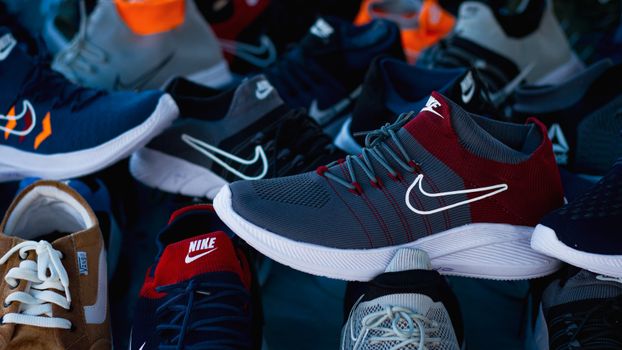
The Nike Free series revolutionized the running shoe market when it debuted in 2004, introducing a minimalist, barefoot-inspired approach to running. Since then, the collection has evolved with new materials, technologies, and models designed for a spectrum of runners. With so many versions and updates, choosing the right Nike Free for your specific running needs can feel overwhelming. In this comprehensive guide, we’ll break down the Nike Free lineup, analyze key features, and help you select the perfect pair to match your running style, goals, and preferences.
The Nike Free Philosophy: What Sets It Apart?
Nike Free shoes are built around the philosophy of natural movement. Unlike heavily cushioned or structured trainers, the Free series is engineered to mimic barefoot running, promoting a more natural foot strike and encouraging the foot’s intrinsic muscles to work harder.
Key facts about Nike Free: - The original Nike Free 5.0 was designed after studying Stanford athletes who ran barefoot on grass. - Nike Free shoes are known for their lightweight build, flexible soles with deep sipes (grooves), and low heel-to-toe drop, typically ranging from 4mm to 8mm. - Nike Free models are not just for runners; they’re also popular for gym workouts, walking, and everyday wear due to their versatility and comfort.Understanding the core philosophy helps you appreciate why Nike Free may (or may not) be the best choice for your running needs.
.png)
Identifying Your Running Needs: Surface, Distance, and Frequency
Before diving into specific Nike Free models, start by assessing your own running habits. Not all runners have the same requirements, and the Free series caters to a range of preferences.
Consider these factors: - Surface: Are you mostly running on roads, tracks, or treadmills? Nike Free shoes are best suited for flat, predictable surfaces. - Distance: Do you typically run short sprints, moderate 5K-10K distances, or long-distance half marathons? - Frequency: Are you running daily, a few times a week, or only occasionally?For example, if you’re a high-mileage runner, you might need more support than a casual jogger. Conversely, if you want to strengthen your feet and improve form, a more minimalist Free model could be ideal.
Breaking Down Nike Free Models: Quick Comparison
Nike Free shoes are often named by a number system (e.g., Free RN 5.0, Free RN Flyknit 3.0), which refers to the level of cushioning and flexibility. Let’s analyze the main models and their unique strengths.
| Model | Flexibility | Cushioning | Weight (Men's size 9) | Best For |
|---|---|---|---|---|
| Nike Free RN 5.0 | High | Moderate | 8.5 oz | Short to mid-distance runs, casual wear |
| Nike Free RN Flyknit 3.0 | Maximum | Minimal | 7.2 oz | Form training, speedwork, experienced minimalist runners |
| Nike Free RN Distance | Medium | High | 9.3 oz | Longer runs, transition from traditional trainers |
| Nike Free TR | High (lateral) | Moderate | 8.7 oz | Gym, cross-training, short treadmill runs |
These numbers illustrate the differences in flexibility, cushioning, and ideal use. For instance, the Free RN Flyknit 3.0 is significantly lighter and more flexible than the Free RN Distance, making it better for strengthening feet but less ideal for long mileage.
Key Features to Look For in Your Nike Free
Nike Free models share core concepts but differ in materials, fit, and technology. Here’s what to check before making your decision:
1. Flex Grooves The signature sipes in the outsole allow multidirectional flexibility. The deeper and more numerous the grooves, the more your foot can move naturally. For pure minimalist running, look for models like the Flyknit 3.0 with pronounced grooves. 2. Upper Material Nike uses engineered mesh and Flyknit in various models. Flyknit uppers are lightweight, breathable, and create a sock-like fit. Mesh versions tend to be slightly more structured and durable, which may benefit runners needing a touch more support. 3. Heel-to-Toe Drop Most Nike Free shoes have a low drop (typically 4mm or 6mm), promoting a midfoot strike. If you’re transitioning from traditional running shoes (10-12mm drop), start with a model offering more cushioning and structure, like the Free RN 5.0 or Free RN Distance. 4. Outsole Durability Nike Free shoes are designed for flexibility, not maximum durability. If you’ll be running primarily on asphalt or abrasive surfaces, check for reinforced rubber pods in high-wear areas. 5. Fit and Sizing Nike Free shoes often run small due to their snug, foot-hugging design. Trying them on or ordering a half-size up is recommended, especially for wide-footed runners.Choosing Based on Your Running Experience Level
Your running experience should greatly influence your Nike Free selection. Here’s how to match a model to your level:
Beginner Runners If you’re new to running or transitioning from traditional trainers, the Nike Free RN 5.0 or Free RN Distance offers a good balance of flexibility and cushioning. These models provide enough protection while allowing you to start strengthening your foot muscles.
Intermediate Runners Runners with some experience and a desire to improve form or speed can look to the Free RN 5.0 or the TR model for cross-training. These provide more ground feel and encourage a natural gait without being too stripped down.
Advanced/Minimalist Runners Seasoned runners looking for a barefoot-like experience may prefer the Nike Free RN Flyknit 3.0. This shoe offers maximum flexibility and minimal cushioning, ideal for those who have adapted to minimalist footwear and want to strengthen their lower legs and feet further.
Practical Tips: Transitioning to Nike Free Safely
Switching to a minimalist or flexible shoe like the Nike Free is not just about buying the right pair; it’s also about transitioning your feet and running mechanics safely.
- Start Slow: Begin by using your Nike Free shoes for short runs or warm-ups. The American College of Sports Medicine recommends increasing usage by no more than 10% per week. - Focus on Form: Nike Free shoes promote a midfoot or forefoot strike. Pay attention to your running technique to avoid overstriding and reduce impact. - Listen to Your Body: Expect mild soreness as your foot and calf muscles adapt. However, persistent pain or discomfort is a sign to slow down or seek advice from a professional. - Use for Cross-Training: Many runners use Nike Free shoes for gym sessions, mobility work, or walking to build foot strength without overstressing the body.Making the Final Decision: Your Perfect Nike Free Awaits
Choosing the best Nike Free for your running needs comes down to understanding your goals, running style, and experience level. If you crave flexibility and a natural running feel, the Nike Free line offers some of the most innovative options on the market. Remember, the ideal model for you is the one that matches your surfaces, distances, and personal comfort, and that supports your journey toward healthier, stronger running.
With over 20 million pairs of Nike Free shoes sold since their launch and a legacy of innovation, it’s no wonder they remain a favorite among runners and fitness enthusiasts alike. Take the time to try out different models, listen to your feet, and enjoy the freedom that comes with running the Nike Free way.