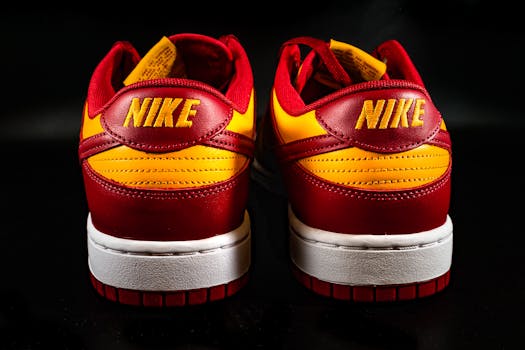
Nike Free vs. Other Barefoot Shoes: What to Expect from Each Option
The idea of barefoot running and minimalist footwear has surged in popularity over the past decade, with runners and everyday wearers alike seeking shoes that allow the foot to move more naturally. Among the most recognizable options in this category is the Nike Free line, celebrated for its flexible soles and lightweight design. Yet, the world of barefoot-style shoes is much larger, encompassing brands like Vibram FiveFingers, Merrell, Xero Shoes, and Vivobarefoot, each offering unique takes on the barefoot experience. If you’re considering a move to minimalist footwear, understanding how Nike Free compares to other barefoot shoes is crucial. Let’s break down the differences, benefits, and what you can expect from each type.
The Philosophy Behind Barefoot and Minimalist Footwear
Before diving into product comparisons, it's essential to understand what barefoot and minimalist shoes aim to accomplish. Barefoot shoes mimic the experience of walking or running with no shoes at all: they have thin, flexible soles, minimal cushioning, and little to no drop (the height difference between heel and toe). The philosophy is simple—allow the foot to move, flex, and sense the ground as naturally as possible, promoting better biomechanics and strengthening foot muscles.
.png)
Nike Free, introduced in 2004, was inspired by studies of Stanford athletes training barefoot. Nike’s designers sought to create a shoe that offered the benefits of barefoot running—greater flexibility, stronger feet—while still providing some comfort and protection. However, Nike Free is considered more of a "transitional" minimalist shoe rather than a full barefoot shoe.
In contrast, brands like Vibram, Merrell, Xero Shoes, and Vivobarefoot push further toward the barefoot ideal with ultra-thin soles, wide toe boxes, and even zero-drop platforms. Each brand interprets “barefoot” in its own way, making it important to compare the specifics.
Key Differences: Nike Free and Barefoot Shoe Design Elements
The main differentiators between Nike Free and other barefoot shoes come down to several design elements:
1. Sole Thickness and Flexibility Nike Free shoes have a flexible, segmented sole, typically ranging from 20-25mm in thickness. This allows for some ground feel but still provides notable cushioning. In contrast, true barefoot shoes like the Vibram FiveFingers KSO or Vivobarefoot Primus Lite have soles as thin as 3-6mm, maximizing sensory feedback. 2. Heel-to-Toe Drop Nike Free models generally have a drop of 4-8mm, subtly encouraging a more natural stride but not fully mimicking barefoot movement. Many barefoot shoes are truly “zero-drop,” meaning there is no elevation between the heel and toe. 3. Toe Box Width A wide toe box allows the toes to splay and grip as they would barefoot. Nike Free offers a moderately wide toe box, but still follows a more traditional running shoe shape. Brands like Xero Shoes and Vivobarefoot prioritize anatomical toe boxes, giving toes maximum freedom. 4. Weight Nike Free shoes are lightweight, usually in the 7-9 oz range for men’s size 9. Barefoot shoes can be even lighter: the Vibram FiveFingers V-Alpha weighs about 5.1 oz per shoe. 5. Protection and Durability Nike Free offers more sole protection and durability for urban environments, whereas other barefoot shoes opt for minimalism, sometimes sacrificing durability for ground feel.Performance and Comfort: What the Numbers Say
Numerous studies have examined the effects of minimalist footwear on running performance, injury rates, and comfort. While individual experiences vary, a few key findings help illuminate what wearers can expect:
- A 2012 study in the British Journal of Sports Medicine found that runners switching to minimalist shoes experienced a 60% increase in foot muscle strength after just eight weeks. - However, the same study noted that runners who transitioned too quickly experienced higher rates of calf and foot soreness—highlighting the importance of gradual adaptation. - Nike Free shoes, with their greater cushioning and moderate drop, serve as a safer “gateway” for those new to minimalist footwear, reducing the risk of overuse injuries associated with abrupt transitions.When it comes to daily wear, comfort often depends on personal preference. Nike Free's added cushioning appeals to those who want a minimalist feel without sacrificing comfort, while barefoot purists gravitate toward shoes with minimal sole and maximum ground connectivity.
Comparing Popular Models: Nike Free vs. Leading Barefoot Brands
To help you visualize the distinctions, here’s a side-by-side comparison of some popular models:
| Feature | Nike Free RN 5.0 | Vibram FiveFingers KSO | Vivobarefoot Primus Lite III | Xero Shoes HFS |
|---|---|---|---|---|
| Sole Thickness | 20mm | 5.7mm | 4mm + 2mm removable insole | 5.5mm |
| Heel-to-Toe Drop | 6mm | 0mm | 0mm | 0mm |
| Weight (Men's US 9) | 8.2 oz | 5.1 oz | 7.0 oz | 7.2 oz |
| Toe Box | Moderate | Individual toe pockets | Wide/anatomical | Wide/anatomical |
| Flexibility | High | Very high | High | High |
| Best Use | Transitional running, gym | Barefoot training, trail | Everyday, gym, casual | Running, cross-training |
This table illustrates that Nike Free sits at the intersection of traditional running shoes and true barefoot models. It’s flexible and light, but not as stripped-down as specialized barefoot shoes.
Transitioning to Barefoot Shoes: What to Expect
Switching from traditional shoes—or even Nike Free—to true barefoot shoes is a significant change for your feet, legs, and overall biomechanics. Here’s what you can expect and should keep in mind:
1. Increased Foot and Calf Engagement Minimalist shoes require your feet and lower legs to work harder. Expect soreness and fatigue as underused muscles are activated, especially if you jump straight from cushioned shoes to barefoot models. 2. Gradual Adaptation Experts recommend transitioning slowly: start by wearing barefoot shoes for short walks or light activity, then increase duration over several weeks. A 2021 survey found that 78% of runners who transitioned over 8-10 weeks reported fewer injuries and better adaptation. 3. Improved Proprioception With a thinner sole, you’ll feel more of the ground. This can improve balance and stability but may take time to get used to, particularly on rough or uneven terrain. 4. Changes in Stride and Impact Barefoot shoes encourage a forefoot or midfoot strike, which tends to reduce impact forces compared to heel striking. However, this change can stress different muscles and tendons, so listen to your body. 5. Possible Need for Sizing Up Barefoot shoes often fit differently due to their wide toe box; most brands recommend sizing up a half to full size for optimal comfort.Choosing the Right Minimalist Shoe for Your Needs
The “best” minimalist or barefoot shoe depends on your activity, foot shape, and goals. Here’s how to decide:
- For Runners New to Minimalism: Nike Free is an excellent starting point. It offers much of the flexibility and lightness of barefoot shoes but with enough cushioning to protect against overuse injuries during transition. - For Barefoot Enthusiasts: Vibram FiveFingers or Vivobarefoot models deliver a truer barefoot feel, with ultra-thin soles and wide toe boxes. - For Everyday Wear: Vivobarefoot and Xero Shoes have become popular for casual, office, and travel use, thanks to their comfort and style options. - For Gym and Cross-Training: Nike Free and Xero Shoes both excel, providing a stable, flexible platform for squats, lunges, and plyometrics.Also, consider durability. While Nike Free shoes are typically more robust for urban and mixed-surface use, some barefoot shoes with thin rubber outsoles may wear down faster on concrete.
Final Considerations: Making the Switch to Barefoot or Minimalist Shoes
If you’re intrigued by the idea of minimalist or barefoot shoes, it’s worth trying Nike Free as a transitional option before moving to shoes with less structure and cushioning. Barefoot shoes can strengthen your feet, improve balance, and promote a more natural gait, but they require patience and a thoughtful adaptation period. Remember, the goal isn’t just to wear less shoe—it’s to empower your feet to move as nature intended.
Numbers matter: In 2023, the minimalist shoe market was valued at over $1.8 billion globally, showing just how many people are exploring these options. Whether you’re an avid runner, a gym enthusiast, or simply looking for comfortable everyday shoes, understanding the differences between Nike Free and barefoot shoes ensures you can make an informed, healthy choice for your feet.