Nike Free vs. Other Barefoot Shoe Brands: Which Is the Better Choice for Your Feet?
Finding the right barefoot shoe can be transformative for your health, comfort, and athletic performance. The barefoot movement, which advocates for shoes that mimic the natural motion of your feet, has exploded over the past decade. Nike Free helped spearhead this trend, but today’s market offers a variety of brands, each with unique approaches and philosophies on barefoot footwear. If you’re deciding between Nike Free and other barefoot shoe brands, it’s essential to weigh the benefits, technology, and fit to determine which option truly supports your foot health and active lifestyle.
The Rise of Barefoot Shoes: What Sets Nike Free Apart?
Barefoot shoes, also known as minimalist shoes, are designed to let your feet move as if you were barefoot, encouraging natural gait and strengthening muscles. The modern barefoot shoe market emerged in the early 2000s, with Nike introducing the Nike Free in 2004 after extensive research on athletes who trained barefoot for improved performance.
.png)
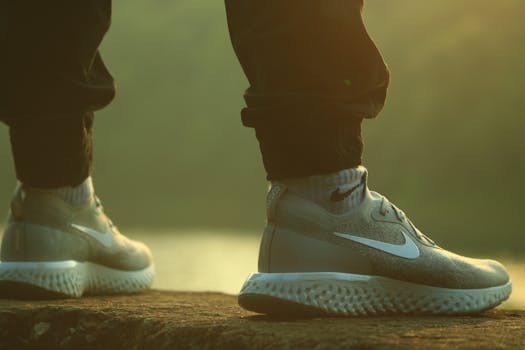
Nike Free became synonymous with the “barefoot-like” shoe, thanks to its segmented sole and lightweight, flexible materials. Unlike traditional running shoes, which often have thick cushioning and rigid structures, Nike Free’s deep flex grooves allow your foot to bend and move freely, closely simulating barefoot movement.
However, Nike Free is not the only player in this space. Other brands, such as Vibram FiveFingers, Vivobarefoot, Merrell, Xero Shoes, and Altra, offer their own versions of barefoot footwear, each prioritizing different aspects like toe freedom, ground feel, sole thickness, and overall design philosophy.
Comparing Key Features: Nike Free vs. Other Barefoot Brands
When comparing Nike Free with other barefoot shoe brands, several key factors come into play: flexibility, sole thickness, weight, toe box width, and intended use. Here’s a quick overview to highlight essential differences:
| Brand | Flexibility | Sole Thickness | Toe Box | Weight (Men’s US 9) | Main Focus |
|---|---|---|---|---|---|
| Nike Free | High | 19-23mm | Moderate | Approx. 8.5 oz | Natural motion, running, training |
| Vibram FiveFingers | Very High | 3-7mm | Individual toe pockets | Approx. 5.7 oz | Maximum ground feel, toe articulation |
| Vivobarefoot | High | 3-6mm | Wide | Approx. 7.0 oz | Foot health, everyday wear, running |
| Merrell Barefoot | Moderate-High | 6-11mm | Wide | Approx. 7.5 oz | Trail running, hiking |
| Xero Shoes | Very High | 5.5-8mm | Wide | Approx. 6.0 oz | Versatile, running, casual |
| Altra (Zero Drop) | Moderate | 21-28mm | Very wide | Approx. 8.7 oz | Cushioned, natural alignment |
As the table shows, Nike Free sits between traditional running shoes and the most “bare” barefoot shoes. While it offers significant flexibility and a more natural feel than most mainstream sneakers, other brands push minimalism further with thinner soles and wider toe boxes.
Foot Health Benefits: What Does the Science Say?
The primary rationale behind barefoot shoes is to allow your feet to move naturally, which can strengthen intrinsic muscles, improve balance, and potentially reduce injury risk. A 2016 study published in the $1 found that runners using minimalist shoes, including models like Vibram FiveFingers and Vivobarefoot, exhibited greater foot muscle volume after six months compared to those in traditional running shoes.
Nike Free, while more cushioned than ultra-minimalist options, has also been shown to promote foot strength and proprioception. In a study by the University of Hamburg, athletes who trained in Nike Free shoes improved their foot arch height and reduced pronation, suggesting enhanced muscle activation.
However, the transition to barefoot shoes carries risks if done too quickly. A 2013 $1 review noted that abrupt changes can lead to injuries such as metatarsal stress fractures and Achilles tendonitis. Gradual adaptation, regardless of the brand, remains crucial.
Key takeaway: Nike Free provides a gentler entry point into barefoot-style training, while other brands may offer greater long-term benefits for those seeking maximum foot engagement.
Comfort and Fit: User Experience and Real-World Feedback
Comfort is subjective, but certain trends emerge from user reviews and expert opinions:
- Nike Free is praised for its immediate comfort, familiar fit, and versatility for both running and casual wear. Runners who want a taste of barefoot benefits without a drastic change often start with Nike Free. - Vibram FiveFingers delivers unmatched ground feel and toe freedom, but the individual toe pockets can be polarizing—some love the sensation, others find it awkward. - Vivobarefoot and Xero Shoes are popular among barefoot purists for their ultra-wide toe boxes and thin soles, ideal for those seeking full foot splay and ground connection. - Altra’s “FootShape” toe box and zero-drop sole appeal to runners who want natural alignment with a bit more cushioning, making them a favorite for long-distance athletes.An online poll by Running Warehouse in 2023 found that 42% of barefoot shoe adopters began with Nike Free before moving to more minimal brands, citing comfort and ease of transition.
If you have wide feet or specific foot concerns (like bunions or Morton's neuroma), brands with a wider toe box—such as Vivobarefoot, Xero Shoes, and Altra—may offer a better fit. Conversely, Nike Free’s moderate width and slightly thicker sole suit those who want comfort and moderate barefoot features.
Durability, Price, and Style: Practical Considerations
Beyond performance, durability, price, and aesthetics are important factors in choosing barefoot shoes:
- Durability: Vibram FiveFingers and Vivobarefoot shoes are renowned for their tough outsoles and minimal upper wear, with many users reporting over 500 miles of use. Nike Free, while durable, often sees more upper breakdown due to its flexible mesh material. - Price: Nike Free shoes typically range from $100 to $130, a mid-tier option. Vivobarefoot and Merrell average $130-$160, while Xero Shoes and Altra often fall between $90 and $140. - Style: Nike Free wins in mainstream appeal and fashion versatility, easily doubling as a casual sneaker. Other barefoot brands, especially Vibram FiveFingers, are more niche in appearance, which can be a dealbreaker for some users.A 2022 survey by minimalist footwear blog The Barefoot Runner found that 67% of respondents chose Nike Free for their first barefoot-style shoe, largely due to style and brand recognition, while 58% of experienced barefoot runners preferred Vivobarefoot or Xero Shoes for daily use.
Who Should Choose Nike Free—And Who Shouldn’t?
Nike Free is an excellent choice if you:
- Are new to barefoot shoes and want a gradual transition - Prefer a balance between natural movement and cushioning - Want an athletic shoe that also looks great for everyday wear - Need a flexible, multi-purpose trainer for gym, short runs, or walkingNike Free may not be ideal if you:
- Want the widest possible toe box for maximal toe splay - Seek the thinnest sole for full ground feedback - Are an experienced barefoot runner looking for maximum minimalism - Need a highly durable shoe for rugged trails or extreme mileageFor those seeking a more “bare” experience, Vibram FiveFingers or Vivobarefoot may be a better fit. If you want a wide toe box and zero-drop platform with some cushioning, Altra is worth considering.
Making the Best Choice for Your Feet: Final Thoughts
The decision between Nike Free and other barefoot shoe brands hinges on your goals, foot shape, and comfort preferences. Nike Free remains a popular, versatile option—especially for those new to barefoot-style footwear, or who value a blend of natural movement and mainstream style. On the other hand, brands like Vivobarefoot, Xero Shoes, and Vibram FiveFingers offer a more purist approach with thinner soles, wider toe boxes, and maximal ground feel.
Ultimately, listening to your body, gradually transitioning, and trying on multiple brands is the best way to find what works for your unique feet. Remember, the “better choice” is the one that supports your health, activity, and happiness with every step.