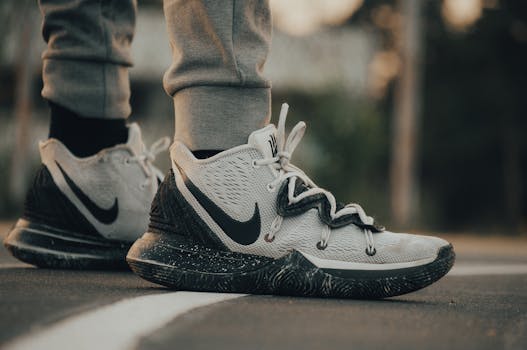
The Nike Free series, since its inception in 2004, has been a pivotal line in revolutionizing running footwear by promoting a design that closely mimics natural foot movement. This approach not only appeals to runners but also to a broad spectrum of athletes and fitness enthusiasts who benefit from a shoe that supports natural biomechanics.
Origins and Development
The genesis of the Nike Free series can be traced back to observations of Stanford athletes running barefoot. These observations underscored the benefits of natural foot movement, sparking the development of a shoe designed to emulate the mechanics of barefoot running while providing the necessary protection. This led to the creation of shoes with a unique sipe-patterned outsole that offers unmatched flexibility.
.png)
Design and Features
The hallmark of the Nike Free series is its highly flexible outsole, segmented with deep cuts or sipes, which allow the foot to flex and pivot with ease. The flexibility of these shoes is measured on a scale from 0 (barefoot) to 10 (traditional running shoe), providing consumers with various options like the Free 3.0, 4.0, and 5.0, each offering different levels of flexibility and cushioning.
The upper part of the shoe is crafted from a breathable mesh or polyester blend, designed to provide a snug fit without restricting movement. This is supported by minimalistic overlays that ensure durability without reducing flexibility. Such design considerations make Nike Free suitable not only for running but also for a variety of training activities, highlighting its versatility.
Technological Innovations
Over the years, Nike has infused various technological advancements into the Free series. The introduction of Flywire technology is a prime example, providing targeted support where it's most needed without adding undue weight. The use of Phylite in the midsoles further enhances the durability and lightness of the shoes, proving that performance doesn’t have to be compromised for flexibility.
Sustainability Efforts
In line with growing consumer demand for eco-friendly products, Nike has integrated recycled materials into the Free series. This commitment to sustainability is a critical component of the brand’s ethos and appeals to a consumer base that values environmental responsibility.
Cultural Impact
The Nike Free series has transcended its role as just a shoe to become a part of modern athletic culture, influencing not only consumer choices but also inspiring other manufacturers to adopt minimalist and flexible designs. It has sparked a broader movement towards minimalist running, advocating for the benefits of natural foot movement across the sports industry.
Conclusion
The Nike Free series continues to stand out as a testament to Nike’s commitment to innovation, functionality, and ecological responsibility. It pushes the boundaries of traditional footwear design, offering athletes and casual users alike a product that not only enhances performance but also aligns with modern values of sustainability and efficiency. The series remains a cornerstone in the evolution of running shoes, consistently proving that sometimes, less really is more.