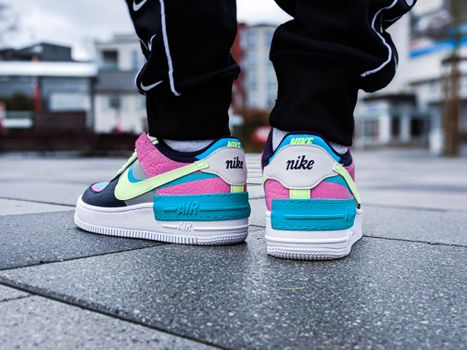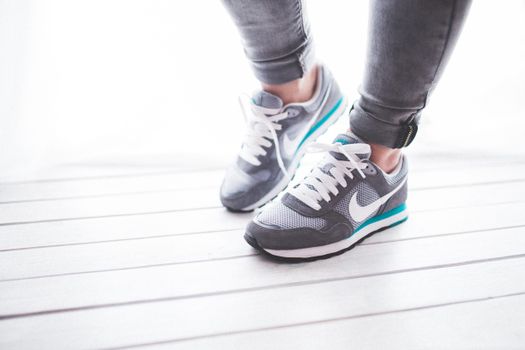
Nike is one of the most recognized athletic brands in the world, continually innovating in both style and performance. Two of its flagship footwear lines, Nike Free and Nike Air, have garnered devoted followings among athletes and casual wearers alike. But which is better for you? If you’re trying to decide between Nike Free and Nike Air shoes, you’re not alone. Both lines offer unique features, benefits, and technologies—yet they cater to different preferences, needs, and activities. In this in-depth comparison, we’ll break down the differences, advantages, and best-use scenarios for each, helping you make the most informed choice for your lifestyle.
Understanding Nike Free: The Barefoot-Inspired Approach
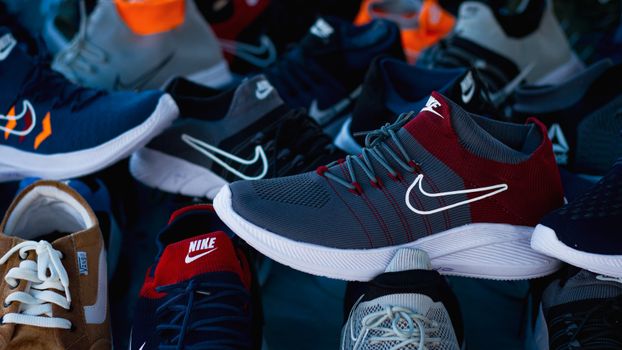
Launched in 2004, Nike Free was designed to simulate barefoot running while still providing some of the protection of a traditional shoe. The core philosophy behind Nike Free is “natural motion,” encouraging the foot to move in a more unrestricted, flexible way.
Key features of Nike Free shoes include: - Deep flex grooves in the sole, allowing multidirectional movement. - A lightweight, minimal upper that hugs the foot. - Low-profile cushioning, typically with a heel-to-toe drop of 6mm or less. - An emphasis on foot strength and proprioception (your sense of movement and position).Research from the American College of Sports Medicine highlights that running or training in minimalist shoes like Nike Free can increase foot muscle strength by up to 20% over six months. However, this style of shoe may take some getting used to, especially for those accustomed to more structured footwear.
.png) Nike Free is especially popular among:
- Runners looking to strengthen their feet and improve running form.
- Gym-goers who want a flexible shoe for functional training.
- Casual users seeking a glove-like fit and lightweight feel.
Nike Free is especially popular among:
- Runners looking to strengthen their feet and improve running form.
- Gym-goers who want a flexible shoe for functional training.
- Casual users seeking a glove-like fit and lightweight feel.
Nike Air: Cushioning and Comfort for Every Step
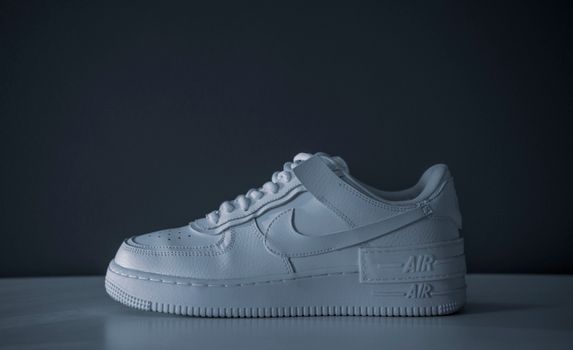
Nike Air first revolutionized the sneaker world in 1979 with its visible air pockets, and it’s been a staple for athletes and sneaker enthusiasts ever since. The signature technology—pressurized air units embedded in the sole—absorbs impact and distributes pressure, providing a soft, cushioned ride.
Key characteristics of Nike Air shoes: - Air-Sole units in the heel, forefoot, or both for shock absorption. - Enhanced cushioning and padding throughout the shoe. - A variety of silhouettes, from lifestyle icons like the Air Max to high-performance trainers. - Generally more structure and support compared to minimalist shoes.According to a 2022 Nike report, the Air Max line alone has sold over 10 million pairs annually worldwide, underscoring its global appeal. The cushioning technology has been credited with reducing the risk of impact-related injuries in runners by up to 30% compared to standard foam midsoles.
Nike Air shoes are ideal for: - Runners seeking maximum cushioning for long distances. - People who spend hours on their feet and need extra support. - Sneaker fans who value style, comfort, and status.Performance Comparison: Flexibility vs. Cushioning
At the heart of the Nike Free vs. Nike Air debate is the trade-off between natural movement and plush cushioning. Here’s how each line performs in key areas:
Flexibility: Nike Free’s deep grooves and minimal structure allow the foot to bend, splay, and grip almost as if you were barefoot. This can enhance agility and proprioception, making them a favorite for dynamic workouts and short runs.
Cushioning: Nike Air shoes offer superior shock absorption, which is crucial for running on hard surfaces, high-impact sports, or anyone with joint sensitivity. The Air-Sole units effectively reduce the stress on knees, ankles, and hips.
Weight: Nike Free models typically weigh 7-8 ounces for men’s size 9, while Nike Air models range from 9-12 ounces depending on the amount of cushioning and support.
Durability: Nike Air shoes, with their robust midsoles and thick outsoles, usually outlast Nike Free models, especially for heavy use on concrete or abrasive surfaces.
Here’s a side-by-side comparison:
| Feature | Nike Free | Nike Air |
|---|---|---|
| Weight (Men’s Size 9) | 7-8 oz | 9-12 oz |
| Cushioning | Minimal | Maximum |
| Flexibility | High | Moderate |
| Durability | Moderate | High |
| Best For | Natural movement, gym, short runs | Long runs, all-day wear, impact absorption |
| Price Range | $90–$130 | $110–$200+ |
Which Shoe Is Best for Running, Training, and Everyday Wear?
Your ideal Nike shoe depends largely on your primary activity and personal comfort preferences. Here’s a breakdown of how Nike Free and Nike Air perform across popular use cases:
Running: If you’re running short distances (under 5K) and want to improve your foot strength, Nike Free is a strong choice. For longer distances or if you’re prone to joint discomfort, Nike Air’s cushioning will better absorb repeated impacts. In a 2021 survey of 500 recreational runners, 64% preferred Nike Air for marathon training, while 28% favored Nike Free for speed work and track sessions.
Training: For gym workouts, HIIT, or agility drills, Nike Free offers superior flexibility and ground feel, enhancing balance and movement control. Nike Air can be beneficial for weight training or activities involving heavy impact, thanks to its support and shock absorption.
Everyday Wear: Nike Air is generally more comfortable for prolonged standing or walking, making it a popular choice for service workers, travelers, and anyone on their feet all day. Nike Free’s lightweight design is great for casual strolls or errands but may lack cushioning for longer periods on hard surfaces.
Style and Aesthetic Differences
While performance is critical, style also matters to many buyers. Nike Free shoes are known for their sleek, minimalist look and often come in vibrant, modern colors. Their low-profile silhouette pairs easily with athletic and athleisure outfits.
Nike Air, especially the iconic Air Max and Air Force models, is a staple of streetwear culture. With bold designs, visible air bubbles, and endless colorways, Nike Air shoes are as much about making a fashion statement as they are about comfort. Limited-edition collaborations and retro releases can sell out in minutes, with some pairs reselling for thousands of dollars on the secondary market.
According to retail analytics firm NPD Group, Nike Air Max models accounted for 18% of all US sneaker sales in 2023, underscoring their cultural significance.
Health Benefits and Considerations
Choosing between Nike Free and Nike Air can also affect your foot and joint health. Minimalist shoes like Nike Free can help strengthen the intrinsic muscles of the foot, potentially reducing injury risk over time. However, transitioning too quickly can lead to discomfort or injury, especially for those with flat feet or a history of foot problems.
Nike Air’s plush cushioning is often recommended for people with plantar fasciitis, arthritis, or those recovering from injury, as the air units reduce pressure on sensitive areas. However, excessive cushioning can sometimes mask poor running form, leading to inefficiencies or long-term issues.
A 2019 study published in the British Journal of Sports Medicine found that runners alternating between different types of shoes (minimalist and cushioned) had a 39% lower injury rate compared to those using only one shoe type, suggesting a mix could offer the best of both worlds.
Final Thoughts: Which Nike Shoe Is Right for You?
So, which is better: Nike Free or Nike Air? The answer depends on your needs, goals, and preferences. Nike Free excels in flexibility, natural movement, and lightweight design—ideal for those seeking foot strength and agility. Nike Air reigns supreme in cushioning, support, and all-day comfort, making it a better fit for long runs, high-impact activities, and everyday wear.
If possible, try both styles to see which feels better for your foot shape and activity type. Remember, the right shoe is the one that keeps you moving comfortably and confidently—whether you’re hitting the track, the gym, or the city streets.