The Unstoppable Rise of Nike Running Footwear
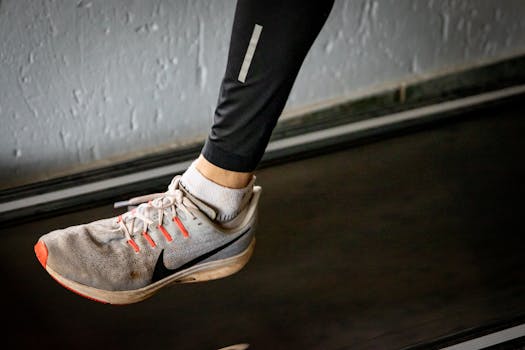
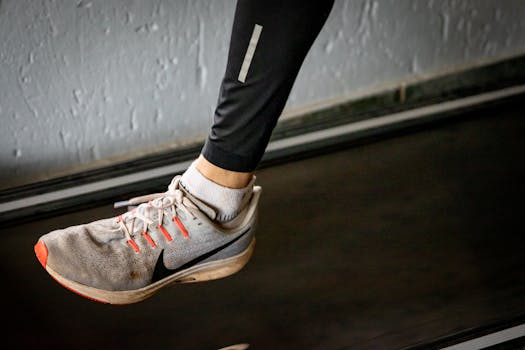
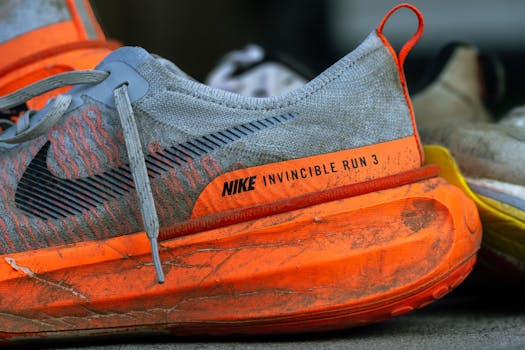
Nike has long been synonymous with innovation and excellence in the world of sports, particularly in running footwear. From its humble beginnings to becoming a global powerhouse, Nike's journey in the development of running shoes has been nothing short of spectacular. This article explores the evolution, technological advancements, and cultural impact of Nike running footwear, shedding light on why it continues to dominate the market.
Beginnings of Innovation
The origins of Nike's innovation in running footwear can be traced back to the early 1970s when co-founder Bill Bowerman, a track and field coach, began experimenting with different materials to improve the shoes his athletes wore. His ingenuity led to the creation of the Waffle Trainer in 1974, a shoe with a unique outsole that provided better traction and durability. This breakthrough marked the beginning of Nike's revolution in running shoes.
Technological Advancements
Over the decades, Nike has consistently pushed the boundaries of what is possible in running technology. The introduction of Air technology in the late 1970s was a game-changer. The Air Tailwind, released in 1979, featured air-filled pockets in the midsole that provided unprecedented cushioning and support. This technology has evolved and can now be seen in various forms across numerous Nike products, including the famous Air Max series.
During the 1980s and 1990s, Nike continued to innovate with new technologies and designs. The Nike Pegasus, introduced in 1983, has become one of the brand's most popular and enduring models. Designed as an everyman’s running shoe, it has undergone continuous improvements and is celebrated for its reliability and comfort. Meanwhile, the Nike Free series, launched in the 2000s, broke new ground by promoting natural foot movement, challenging conventional wisdom about running mechanics and shoe design.
Digital Integration and Sustainability
The 21st century has seen Nike focusing not just on the physical aspects of running shoes but also on how they are integrated with digital technology. Nike+ was one of the first platforms to combine footwear with technology, allowing runners to track their progress, set goals, and connect with communities online. This integration has helped Nike create a more personalized running experience and strengthen its brand loyalty among consumers.
Sustainability has also become a key focus for Nike as it aims to reduce its environmental impact. The introduction of the Flyknit technology in 2012 marked a significant step forward. The Flyknit upper is made from a single thread, reducing material waste during production. This technology not only supports sustainability but also offers a lightweight, seamless fit that enhances performance.
Cultural Impact and Future Outlook
Culturally, Nike running shoes have transcended their athletic origins to become fashion icons. Collaborations with designers and limited-edition releases have made certain models highly sought after in the fashion and collector communities. This cultural relevance has helped Nike maintain its position not just as a sports brand but as a lifestyle brand.
The influence of Nike in the running community is undeniable. Through sponsorships, advertising, and partnerships with athletes, Nike has cultivated a strong brand presence that resonates with professional and amateur runners alike. Events like the Nike Women’s Marathon and the Breaking2 project, an attempt to break the two-hour marathon barrier, showcase Nike’s commitment to the sport and its athletes.
Looking to the future, Nike shows no signs of slowing down in its quest to innovate. With advancements in AI and machine learning, the potential for even more personalized and adaptive running shoes is on the horizon. As running technology continues to evolve, Nike is poised to remain at the forefront, pushing the limits of what running footwear can achieve.
Conclusion
The unstoppable rise of Nike running footwear is a testament to the brand’s commitment to innovation, performance, and style. From the Waffle Trainer to the latest Air Zoom models, Nike has consistently set the pace in the running shoe industry, revolutionizing how runners train, compete, and express themselves. As Nike continues to innovate and expand its influence, its impact on the world of sports and culture will undoubtedly continue to grow.