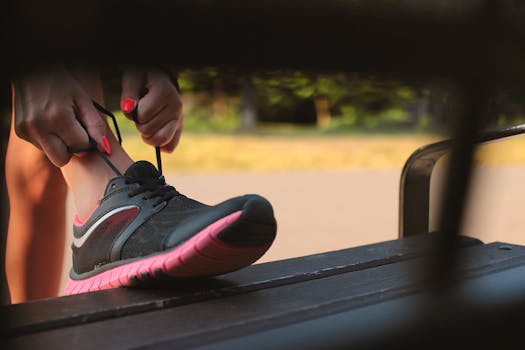
Nike Free vs. Traditional Running Shoes: What’s the Difference?
Running is one of the most accessible and popular forms of exercise worldwide, with over 60 million Americans participating in running or jogging activities as of 2023. Over the past two decades, the footwear industry has undergone a revolution, with brands like Nike introducing innovative models that challenge conventional design. One of the most significant shifts occurred with the release of the Nike Free line—shoes designed to mimic the feeling of barefoot running, aiming to strengthen feet and improve biomechanics.
But how exactly do Nike Free shoes stack up against traditional running shoes? What are the practical differences, and how might your running experience change depending on your choice? Whether you’re a seasoned athlete, a casual jogger, or someone looking for their next pair of sneakers, understanding these distinctions is crucial for comfort, performance, and injury prevention.
.png)
Let’s dive into the core differences between Nike Free and traditional running shoes, examining their design philosophy, structure, benefits, drawbacks, and how each impacts your running style.
The Design Philosophy: Minimalism vs. Cushioning
One of the most fundamental differences between Nike Free and traditional running shoes lies in their design philosophy. Traditional running shoes have historically prioritized protection, support, and cushioning. The goal has been to absorb the shock of each stride, stabilize the foot, and protect the runner from impact-related injuries.
Nike Free shoes, first introduced in 2004, took the opposite approach. Inspired by the natural motion of barefoot running, Nike aimed to create a shoe that allowed the foot to move as freely as possible while still offering some degree of protection. The result was a lightweight, highly flexible shoe that encourages the foot’s muscles and tendons to work more actively.
Key elements of the Nike Free design philosophy: - Minimalist construction with fewer layers and less material - Enhanced sole flexibility for natural foot movement - Reduced heel-to-toe drop (typically 4-6mm vs. up to 12mm in traditional shoes) - Lightweight design, often weighing 6-8 ounces per shoe Traditional running shoes, in contrast, often include: - Substantial midsoles with EVA foam or proprietary cushioning systems (like Nike Air or Brooks DNA) - Stiffer soles with reinforced heel counters for stability - Higher overall weight (usually 9-13 ounces per shoe) - Pronounced arch support and motion control featuresStructure and Materials: Flexibility vs. Support
A closer look at the construction reveals several critical differences between Nike Free and conventional running shoes:
1. $1 Nike Free soles utilize deep sipes (flex grooves) that allow the shoe to bend and twist in multiple directions. This flexibility is designed to let your foot move more naturally, almost as if you were barefoot. Traditional running shoes often have segmented or full-length midsoles and outsoles, which provide rigidity and structure. 2. $1 Nike Free models use lightweight, breathable mesh or knit uppers with minimal overlays. This reduces weight and enhances comfort but offers less structural support. Traditional running shoes tend to use multiple layers of synthetic material and more robust overlays for added durability and foot security. 3. $1 The drop—the difference in height between the heel and the forefoot—affects how your foot strikes the ground. Nike Free shoes typically feature a lower drop (4-6mm), encouraging a more natural, midfoot strike. Traditional shoes often have a higher drop (8-12mm), promoting a heel-first landing. 4. $1 Most Nike Free models offer minimal arch or heel support, relying on the foot’s intrinsic muscles for stability. In contrast, traditional runners may include built-in arch supports, medial posts, or even plastic shanks to control motion and provide structure.Performance and Biomechanics: How Each Shoe Affects Your Run
The choice between Nike Free and traditional running shoes can significantly influence your biomechanics, comfort, and risk of injury.
$1 Nike Free shoes are designed to: - Encourage a forefoot or midfoot strike pattern, reducing impact on the knees and hips - Strengthen foot muscles and improve proprioception (awareness of foot position) - Allow a greater range of motion in the toes, arches, and anklesA study published in the $1 (2015) found that runners using minimalist footwear like Nike Free had increased muscle activation in the foot and lower leg compared to those wearing traditional shoes. Over time, this may help build stronger, more resilient feet.
$1 Traditional shoes aim to: - Absorb shock, reducing stress on bones and joints, particularly for heel strikers - Provide corrective support for overpronators (runners whose feet roll inward excessively) - Offer stability for runners with flat feet or those prone to ankle sprainsAccording to a 2022 report by the American Academy of Orthopaedic Surgeons, cushioned shoes can reduce the risk of stress fractures and plantar fasciitis in some individuals, especially new runners or those with biomechanical imbalances.
Benefits and Drawbacks: Which is Right for You?
The best shoe for you depends on your running style, foot mechanics, and training goals. Here’s a breakdown of the key benefits and potential downsides of each option:
| Feature | Nike Free | Traditional Running Shoes |
|---|---|---|
| Weight | 6-8 oz (men's size 9) | 9-13 oz (men's size 9) |
| Cushioning | Minimal | Moderate to Maximum |
| Heel-to-Toe Drop | 4-6 mm | 8-12 mm |
| Support | Minimal | Moderate to Maximum |
| Flexibility | High | Low to Moderate |
| Recommended For | Experienced runners, foot strengthening, natural feel | All levels, injury prevention, maximum comfort |
| Risk of Injury | Higher for beginners, lower for experienced minimalist runners | Lower for most, but potential for overuse injuries |
Adapting to Nike Free: Transition Tips and Considerations
If you’re considering a switch from traditional running shoes to the Nike Free line, it’s important to transition gradually. The shift to a more minimalist shoe can place new demands on your foot and lower leg muscles, and a sudden change increases the risk of soreness or injury.
$1 - Start by wearing Nike Free for walking or short, easy runs (10-15 minutes) - Gradually increase usage over several weeks, allowing your feet and calves to adapt - Incorporate foot-strengthening exercises, such as toe curls, towel scrunches, and balance work - Listen to your body: if you experience persistent pain, reduce usage and consult a professionalIn a 2018 study by the British Journal of Sports Medicine, runners who transitioned to minimalist footwear over 12 weeks, instead of abruptly, reported fewer injuries and better adaptation.
Choosing the Best Shoe for Your Needs: Factors to Consider
When deciding between Nike Free and traditional running shoes, consider the following factors:
1. $1 For speedwork, foot strengthening, or short runs, Nike Free can be an excellent choice. For long distances, trail running, or high-impact workouts, traditional shoes may be preferable. 2. $1 Flat-footed runners or those who overpronate may benefit from the additional structure of traditional shoes. Neutral runners or those with experience in minimalist footwear can safely try Nike Free after a gradual transition. 3. $1 If you have a history of stress fractures, plantar fasciitis, or Achilles tendinitis, consult a podiatrist before switching to minimalist shoes. 4. $1 Nike Free is best suited for smooth, even surfaces. Traditional shoes handle rougher terrain and offer more protection. 5. $1 Ultimately, the best shoe is the one that feels comfortable and supports your unique biomechanics.Final Thoughts: Making the Right Choice Between Nike Free and Traditional Running Shoes
The debate between Nike Free and traditional running shoes reflects broader trends in the footwear industry: a push towards natural movement versus the safety of cushioning and support. Nike Free shoes offer a liberating, lightweight experience for those seeking to strengthen their feet and enjoy a barefoot-like feel. Traditional running shoes, on the other hand, remain the gold standard for comfort, protection, and injury prevention for the majority of runners.
There’s no one-size-fits-all answer. Your ideal shoe depends on your running history, personal preferences, and training goals. Many experienced runners even rotate between both types, using Nike Free for short, strengthening sessions and traditional shoes for longer runs.
The best advice? Try both, transition slowly, and listen to your body. With the right approach, you can enjoy the benefits of each and keep running strong for years to come.