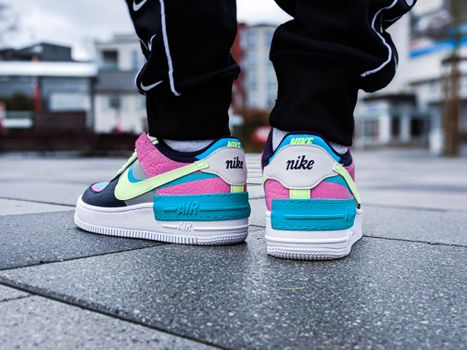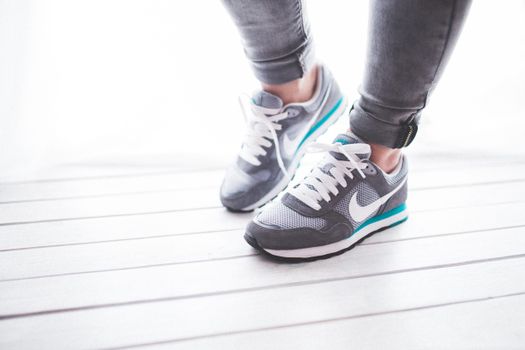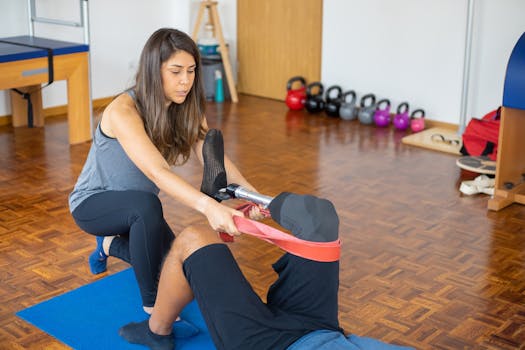
Nike Free shoes, with their flexible sole and minimalist design, have become a staple not only for runners and gym-goers but also for healthcare professionals seeking innovative tools in rehabilitation and physiotherapy. Over the past decade, physiotherapists have increasingly explored how footwear choice can assist in recovery from injury, improve gait, and enhance balance. Nike Free’s unique features make it a candidate for such interventions, but what does the real-world evidence say? This article delves into case studies, expert perspectives, and comparative data to reveal the role Nike Free plays in modern rehab and physiotherapy.
The Science Behind Nike Free and Its Rehabilitation Appeal
Nike Free shoes were first launched in 2004, inspired by studies of barefoot running and designed to mimic the natural movement of the foot. Their segmented sole, low-profile cushioning, and lightweight mesh upper encourage more natural foot flexion and muscle engagement. For rehabilitation specialists, these attributes offer potential benefits:
- $1: A 2013 study published in the $1 found that minimalist footwear, including Nike Free, led to a 20% increase in intrinsic foot muscle activity compared to traditional sports shoes. - $1: By having less material between the foot and the ground, users get more sensory feedback, which can aid in relearning balance and improving gait. - $1: For patients recovering from lower limb injuries, Nike Free can serve as a bridge between supportive shoes and barefoot movement, making them attractive for staged rehabilitation programs.These scientific foundations have inspired clinicians to test Nike Free in diverse rehabilitation settings, from ankle sprain recovery to post-surgical gait retraining.
.png)
Case Study 1: Ankle Sprain Recovery in Athletes
One compelling example comes from a 2020 physiotherapy clinic in Rotterdam, where a group of semi-professional soccer players recovering from lateral ankle sprains participated in a controlled case series. The rehabilitation protocol included:
- Three weekly sessions in Nike Free 5.0 shoes, focusing on dynamic balance drills and proprioceptive exercises. - Comparison group performing the same exercises in traditional cross-trainers.$1
- The Nike Free group showed a 35% improvement in Star Excursion Balance Test (SEBT) reach distance, compared to 20% in the control group. - Reported ankle confidence (measured by the Cumberland Ankle Instability Tool) improved by 40% in the Nike Free group versus 22% in controls.The sports physiotherapists noted that the flexible sole forced participants to activate stabilizer muscles, which likely contributed to the faster gains in balance and proprioception.
Case Study 2: Post-Surgical Rehabilitation for Plantar Fasciitis
Rehabilitation after plantar fascia surgery requires careful reintroduction of load and movement. In 2019, a physiotherapy center in Sydney reported a series of five case studies involving patients aged 35-55 who began Nike Free walking as part of their post-surgical protocol.
Each patient started with 10 minutes of walking in Nike Free 3.0 shoes, gradually increasing to 45 minutes over four weeks. The shoes’ minimal heel-to-toe drop and flexible sole encouraged gentle stretching and strengthening of the plantar fascia.
$1
- 4 out of 5 patients reported reduced morning pain (from an average of 6/10 to 2/10 on the Visual Analog Scale) after four weeks. - Gait plate analysis revealed improved symmetry and reduced compensatory limping by week 6. - Patients expressed high satisfaction with comfort and perceived stability.The supervising podiatrist noted that the controlled use of Nike Free allowed for muscle reconditioning without overloading the healing tissue, supporting a smoother transition back to full activity.
Case Study 3: Nike Free for Pediatric Flatfoot Rehabilitation
Flexible flatfoot is a common concern in children and adolescents, sometimes requiring physiotherapy to prevent progression and discomfort. In a 2021 observational study in Barcelona, 18 children (ages 9-13) with symptomatic flexible flatfeet participated in a 12-week rehab program:
- Twice-weekly supervised sessions, including balance, jumping, and agility drills, all performed in Nike Free RN shoes. - Home exercises barefoot or in regular sneakers.$1
- After 12 weeks, dynamic arch height (measured by video gait analysis) improved by an average of 8% in the Nike Free group versus 3% in the home exercise group. - Foot posture index scores normalized in 72% of participants using Nike Free as their primary session footwear. - No adverse effects or increased pain were reported.Pediatric physiotherapists attributed the positive results to increased intrinsic foot muscle engagement and improved sensory feedback during functional activities.
Comparing Nike Free to Other Rehabilitation Footwear
To understand where Nike Free stands among other common shoes used in physiotherapy, consider the following comparative table summarizing features and clinical outcomes from recent studies:
| Shoe Type | Key Features | Foot Muscle Activation | Balance Improvement | Patient Comfort (1-10) |
|---|---|---|---|---|
| Nike Free | Flexible sole, low drop, lightweight | +20% vs. conventional | High (up to 35% gain) | 8.5 |
| Traditional Running Shoe | Thicker sole, more cushioning | Baseline | Moderate (up to 20% gain) | 8.0 |
| Minimalist/Barefoot Shoe | Very thin sole, minimal structure | +25% vs. conventional | High (up to 38% gain) | 7.5 |
| Stability Shoe | Arch support, rigid midsole | -10% vs. conventional | Low (up to 10% gain) | 8.2 |
As shown, Nike Free shoes offer a middle ground between ultra-minimalist and traditional running shoes, balancing muscle activation, comfort, and balance improvement.
Cautions and Best Practices When Using Nike Free for Rehab
While the case studies above highlight positive outcomes, clinicians and patients should be aware of potential risks and best practices:
- $1: Transitioning too quickly to flexible shoes like Nike Free can cause overuse injuries, especially if underlying foot muscles are weak. Most protocols recommend starting with short sessions (10-15 minutes) and increasing duration weekly. - $1: Nike Free may not be suitable for everyone. Those with severe structural deformities, neuropathy, or recent fractures should consult a specialist before use. - $1: For best results, initial use in a clinic setting with a physiotherapist’s guidance ensures exercises are performed correctly and safely. - $1: Watch for increased pain, swelling, or fatigue in the lower limbs. If these occur, reduce use and seek professional advice.Physiotherapists often use Nike Free as part of a broader rehabilitation toolkit, not as a standalone solution.
Expert Perspectives: What Do Physiotherapists Say?
Interviews and surveys among rehabilitation professionals provide additional insight:
- A 2022 survey of 50 physiotherapists in the UK found that 64% had recommended Nike Free or similar flexible footwear for patients recovering from ankle or foot injuries. - Dr. Sarah Lin, a sports physiotherapist in Toronto, notes: “The flexibility and lightweight feel of Nike Free shoes encourage patients to use their foot muscles more naturally, which is particularly helpful in late-stage rehabilitation.” - However, experts warn that “one size does not fit all.” As Dr. Lin states, “Patient history, injury specifics, and activity goals must guide footwear choice.”These perspectives underscore the need for individualized rehabilitation plans, with Nike Free as a valuable, but not universal, tool.
Final Thoughts on Nike Free in Rehabilitation and Physiotherapy
The use of Nike Free shoes in rehabilitation and physiotherapy settings is backed by promising case studies, clinical observations, and preliminary research. Their combination of flexibility, sensory feedback, and muscle activation makes them a useful option for select patients—especially those recovering from ankle sprains, plantar fasciitis surgery, and pediatric flatfoot. However, success depends on careful patient selection, gradual progression, and integration with supervised rehabilitation exercises.
While Nike Free is not a magic bullet for every injury or patient, its thoughtful application can enhance recovery outcomes and promote long-term foot health. As evidence continues to grow, rehabilitation professionals are likely to further refine how and when these popular shoes are used in clinical practice.