The Nike Free Series has ushered in a new era in running footwear, championed for its innovative approach that emphasizes natural foot movement. Introduced with the promise of enhancing the performance and experience of runners at every level, the series has consistently been at the cutting edge of athletic shoe technology. This article delves into the features, benefits, and considerations of the Nike Free Series, illustrating why it has become a staple in the running community.
The Philosophy Behind Nike Free
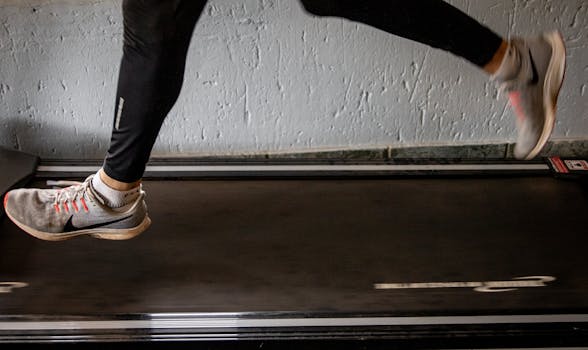
At the heart of the Nike Free Series is the principle of promoting a more natural stride in running. Unlike conventional running shoes that often come heavily cushioned and structured, Nike Free aims to replicate the sensation of barefoot running. This is achieved through the introduction of a highly flexible sole that accommodates the natural bending and flexing of the foot. This design philosophy is predicated on the belief that such freedom encourages a more active and natural foot movement, potentially leading to stronger foot muscles and fewer injuries.
.png)
Design and Technology
Nike Free shoes are distinguished by their unique sole design. The sole features a deep, grid-like pattern of sipes (thin, flexible cuts) that offer multi-directional flexibility. This flexibility allows the shoe to bend and twist with the foot, providing a feeling of running barefoot while still offering protection and traction. The soles are made from a light yet resilient foam that not only cushions against impacts but also rebounds with each step, aiding in propulsion.
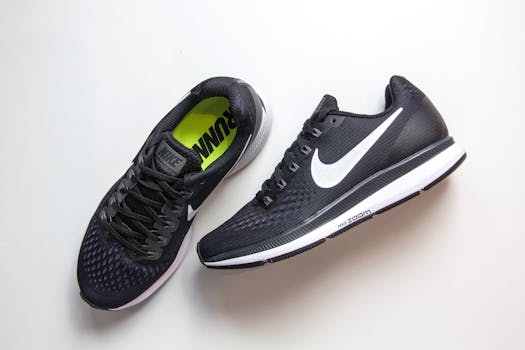
The upper part of the shoe is just as thoughtfully designed. Made primarily from a soft, breathable mesh, it offers superior ventilation, keeping the runner's feet cool and dry. This material choice, coupled with a minimalist design approach, reduces unnecessary weight and bulk, allowing for unencumbered movement.
Aesthetic and Options
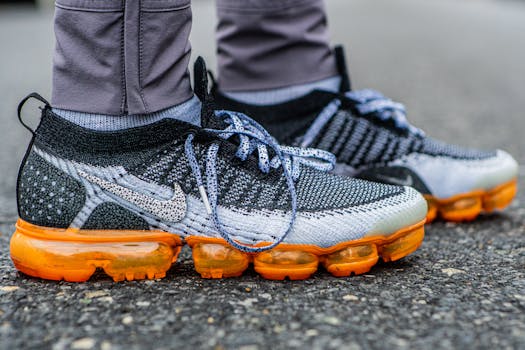
Nike does not compromise on style with the Free Series. The sleek, streamlined design not only enhances performance but also appeals visually, making these shoes versatile enough for both running and casual wear. Available in a myriad of colors and designs, the Nike Free line caters to a wide array of personal tastes and styles, ensuring that every runner can find a pair that resonates with their individual aesthetic preference.
Research and Development
The development of the Nike Free Series is a testament to Nike’s commitment to innovation driven by athlete insights and scientific research. Collaboration with runners and sports professionals provides real-world input that shapes design and functionality, ensuring the shoes meet varied and specific needs of the running community.
Community Impact and Feedback
Since its launch, the Nike Free Series has positively impacted the running community. Runners have reported a more natural and enjoyable running experience and have noted improvements in running form and endurance. Additionally, the adaptive nature of the shoes is credited with helping to reduce common running-related injuries, such as shin splints and plantar fasciitis.
Transitioning to Nike Free
While the benefits of the Nike Free Series are clear, transitioning to these shoes can require an adjustment period. Due to their unique design offering less cushioning and support than traditional running shoes, initial use can lead to muscle fatigue and soreness as the body adapts to the new demands. It is advisable for runners to integrate these shoes gradually into their regimen, starting with shorter runs to build tolerance.
Conclusion
The Nike Free Series stands as a pioneering line of running shoes that successfully combines freedom of movement with comfort, protection, and style. Whether you're training for a marathon or enjoy jogging on the weekends, the Nike Free shoes are designed to enhance your running experience while fostering better foot mechanics and reducing injury risks. As this series continues to evolve, it underscores Nike’s enduring dedication to advancing sports footwear innovation.