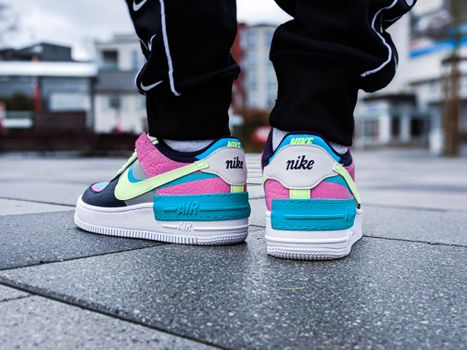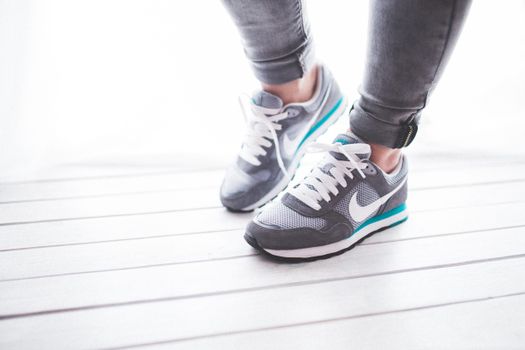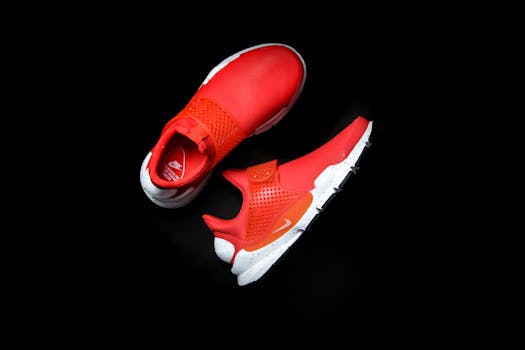
Running in Nike Free shoes has sparked plenty of debate since their debut in 2004. Marketed as a “barefoot-inspired” running shoe, the Nike Free line aims to provide a more natural running experience with minimal cushioning and maximum flexibility. Over the years, runners, fitness enthusiasts, and even medical experts have weighed in—sometimes with contradictory opinions. Are Nike Free shoes actually good for running? Do they prevent injuries, or could they cause them? To separate the hype from reality, let’s examine the most common myths and facts about running in Nike Free shoes, backed by science, statistics, and real-world experiences.
The Origins of Nike Free and Its Barefoot Running Philosophy
Nike Free was born out of a quest to replicate the feeling of running barefoot, a movement that gained traction in the early 2000s. The idea was simple: by allowing feet to move more naturally, runners could strengthen foot muscles and potentially reduce injuries associated with overly cushioned, structured footwear.
A 2002 Stanford University study observed that athletes who frequently trained barefoot had fewer injuries. This inspired Nike’s design team to create a shoe mimicking barefoot movement but with enough protection for modern surfaces. The result? The first Nike Free 5.0, released in 2004, which allowed the foot to flex and grip as if it were barefoot, while still shielding it from debris and impact.
.png)
Today, Nike Free shoes remain popular, especially among those seeking a more “natural” running experience—but also surrounded by myths and misconceptions.
Myth 1: Nike Free Shoes Are Suitable for Every Runner
One of the most persistent myths is that Nike Free shoes are universally beneficial. In reality, their suitability depends heavily on an individual’s running style, foot structure, and training goals.
Nike Free shoes have minimal cushioning (with the “0” in the model name indicating the level of cushioning and structure; lower numbers mean less). For example, the Nike Free RN 5.0 offers less support than a traditional running shoe like the Nike Air Zoom Pegasus.
According to a 2017 survey by RunRepeat, only about 23% of runners regularly use minimalist shoes like Nike Free for more than half their weekly mileage. Most runners prefer to use them for specific workouts or as a secondary shoe.
Why? Because not all feet are created equal. Runners with flat feet, severe pronation, or a history of injuries may lack the natural strength or biomechanics to safely transition to a minimalist shoe. Studies from the American College of Sports Medicine caution that switching to minimalist shoes too quickly can lead to injuries, especially for those accustomed to maximalist or motion-control footwear.
Myth 2: Running in Nike Free Prevents Injuries
It’s widely believed that running in Nike Free shoes prevents injuries by encouraging a more natural stride and strengthening foot muscles. There is some truth to this—but the reality is more nuanced.
A 2016 study published in the British Journal of Sports Medicine found that runners who transitioned gradually to minimalist shoes, like Nike Free, did show improved foot muscle strength over 12 weeks. However, the same study noted a higher incidence of calf soreness and metatarsal stress reactions among those who transitioned too rapidly.
The injury rate among runners using minimalist shoes is not significantly lower than those in traditional shoes. In fact, the American Orthopaedic Foot & Ankle Society reports that improper adaptation to minimalist footwear can increase the risk of stress fractures, plantar fasciitis, and Achilles tendon injuries.
What’s clear is that Nike Free can strengthen foot muscles—but only when introduced gradually and used as part of a well-rounded training plan. They’re not a magic bullet for injury prevention.
Myth 3: Nike Free Shoes Are Just for Running
Despite the “running” label, Nike Free shoes have evolved into versatile footwear used for far more than running. In fact, a 2023 Nike consumer survey revealed that nearly 40% of Nike Free owners use their shoes primarily for gym workouts, walking, or casual wear rather than running.
Nike Free’s lightweight, flexible design makes them popular for activities like:
- Gym training and circuit workouts - CrossFit and HIIT sessions - Everyday walking and travel - Yoga and stretching routinesHowever, for long-distance runs, trail running, or runners needing extra support, the Nike Free may not be the best option. Nike’s own product guidelines suggest using Nike Free for up to 5K distances or as a complementary training shoe.
Fact Check: Nike Free vs. Traditional Running Shoes
To see how Nike Free stacks up against traditional running shoes, let’s compare key features and user experiences.
| Feature | Nike Free | Traditional Running Shoes |
|---|---|---|
| Weight | 6-8 oz (men’s size 9) | 9-12 oz (men’s size 9) |
| Heel-to-Toe Drop | 4-8 mm | 10-12 mm |
| Cushioning | Minimal to moderate | Moderate to maximum |
| Flexibility | High (multidirectional) | Medium to low |
| Best For | Short runs, strength training, daily wear | Long-distance runs, high mileage, injury-prone runners |
| Average Price (2024) | $110-$130 | $120-$180 |
As shown, Nike Free shoes are lighter and more flexible, making them ideal for short runs and varied workouts. Traditional running shoes offer more cushioning and support, suitable for longer distances and runners with specific biomechanical needs.
Transitioning to Nike Free: What Science and Experts Advise
If you’re considering making Nike Free your running shoe of choice, the consensus among sports medicine experts is to transition slowly. The muscles and tendons in your feet and lower legs need time to adapt to the reduced support and cushioning.
The American College of Sports Medicine recommends:
1. Start by wearing Nike Free for walking or short runs (no more than 1-2 miles). 2. Gradually increase distance by no more than 10% per week. 3. Alternate with your usual running shoes to avoid overuse injuries. 4. Incorporate foot-strengthening exercises (such as toe curls, towel scrunches, and single-leg balance drills).According to a 2022 study by the Journal of Athletic Training, runners who followed a structured transition plan experienced 37% fewer injuries than those who switched abruptly.
Moreover, listen to your body. Any persistent pain or discomfort is a sign to slow down and possibly consult a medical professional.
Common Misconceptions About Nike Free Durability and Performance
Another myth is that Nike Free shoes wear out more quickly due to their minimalist construction. While they may not last as long as heavily cushioned trainers, the average lifespan for Nike Free shoes is around 300-400 miles, according to Nike’s product testing team. This is comparable to many lightweight trainers on the market.
Performance-wise, Nike Free shoes can enhance proprioception (your body’s ability to sense movement and position) and foot strength. However, they may not provide the speed advantages of carbon-plated or highly cushioned “super shoes” that have dominated long-distance races in recent years.
Lastly, some believe that Nike Free shoes are outdated or no longer relevant. On the contrary, Nike continues to update the Free line, incorporating sustainable materials and new upper designs to keep pace with modern trends and eco-conscious consumers. The 2024 Nike Free RN, for example, uses at least 20% recycled content by weight.
Final Thoughts on Myths and Facts About Running in Nike Free
Nike Free shoes occupy a unique niche in the running world. They are neither a cure-all for injuries nor a replacement for every runner’s primary shoe. What they offer is a flexible, lightweight, and versatile option for those who want to experience a more natural stride, build foot strength, or simply enjoy a comfortable everyday shoe.
The key takeaway? Approach Nike Free shoes with informed caution. Understand your foot type, training needs, and goals. If you’re curious, introduce them gradually and pay attention to your body’s response. With the right strategy, Nike Free can be a valuable asset in your footwear rotation—but they’re not a one-size-fits-all solution.