Nike Free shoes are celebrated for their lightweight design, flexibility, and natural movement, making them a favorite among runners, gym-goers, and everyday wearers. However, their unique construction and materials require special care to ensure they maintain performance and appearance over time. If you want your Nike Free to last longer and look as good as new, understanding the right maintenance techniques is essential. This guide will walk you through actionable steps and best practices, backed by specific data and comparisons, to help you maximize the lifespan of your Nike Free shoes.
Understanding the Unique Construction of Nike Free
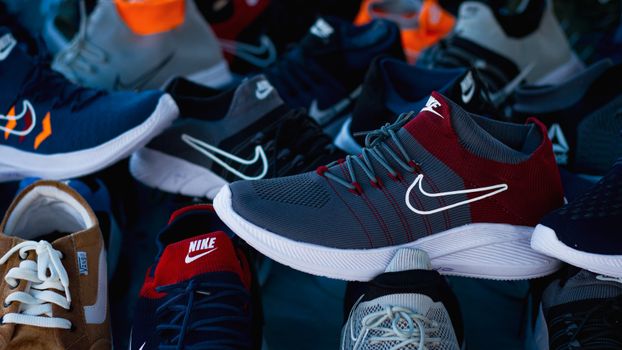
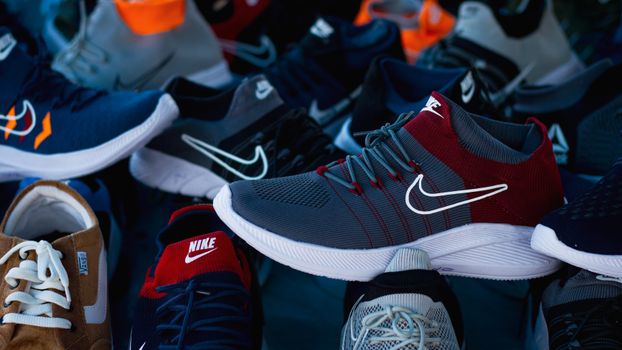
Nike Free shoes stand out due to their innovative sole technology and engineered mesh uppers. Unlike traditional running shoes, Nike Free features deep flex grooves along the outsole, allowing for multi-directional flexibility that mimics barefoot movement. The upper is typically made from lightweight mesh or knit materials, promoting breathability but making the shoe more susceptible to dirt and debris.
According to Nike, the average lifespan of a running shoe is 300-500 miles, but with proper care, Nike Free can remain functional and comfortable even longer for casual users. Knowing the materials and construction is the first step in determining the best care routine.
.png) Key facts:
- Nike Free’s sole is made from injected Phylon foam and rubber pods for both cushioning and grip.
- The upper mesh is designed for breathability but can attract dust and stains more easily than leather or synthetic overlays.
- Flex grooves (sipes) in the sole can trap dirt, affecting flexibility if not cleaned regularly.
Key facts:
- Nike Free’s sole is made from injected Phylon foam and rubber pods for both cushioning and grip.
- The upper mesh is designed for breathability but can attract dust and stains more easily than leather or synthetic overlays.
- Flex grooves (sipes) in the sole can trap dirt, affecting flexibility if not cleaned regularly.
Daily Habits to Extend the Life of Your Nike Free
Small, consistent actions make a big difference in the longevity of your sneakers. Incorporate these daily habits to protect your Nike Free:
1. Rotate Your Shoes: Wearing the same pair every day accelerates wear, especially in high-flex areas. If possible, alternate between two pairs, allowing the foam and mesh to decompress and dry out fully. 2. Air Them Out: After each use, especially post-exercise, remove the insoles (if possible) and let the shoes air dry in a well-ventilated area. Avoid leaving them in a closed gym bag or dark closet, which can trap moisture and encourage odors or mold. 3. Use a Shoe Horn: When putting on your Nike Free, use a shoe horn or fully untie the laces to prevent breaking down the heel collar, which can lose structure over time. 4. Avoid Wearing for Non-Athletic Tasks: Refrain from using your Nike Free for tasks like yardwork, painting, or hiking in muddy areas, as the lightweight mesh and flexible soles aren’t designed for rough environments.Over time, these habits can slow down the natural breakdown of materials, keeping your shoes in prime shape for longer.
Cleaning Techniques: What Works and What to Avoid
Given the Nike Free’s delicate mesh and foam, cleaning requires a gentle approach. Harsh chemicals, machine washing, or aggressive scrubbing can damage the materials and alter the shoe’s fit.
Recommended Cleaning Steps: - Remove dirt and debris from the outsole using a soft brush. Pay special attention to the flex grooves, which can get packed with gravel or mud. - Mix a solution of mild soap (like dish soap) and lukewarm water. Dampen a soft cloth or brush and gently clean the upper, avoiding over-saturation. - For stubborn stains, spot clean with a soft-bristled toothbrush. - Rinse gently with a damp cloth to remove any soap residue. - Air dry at room temperature. Stuff the shoes with paper towels to help them keep their shape and absorb excess moisture. What to Avoid: - Never use bleach or strong detergents, as these can break down the mesh and foam. - Avoid machine washing and drying, which can warp the sole and degrade adhesives. - Don’t leave your shoes in direct sunlight for extended periods, as UV rays can fade colors and weaken materials.Storage Solutions: Preserving Shape and Freshness
Proper storage is often overlooked but is critical for extending the lifespan of your Nike Free. The right environment prevents deformation, odor, and material fatigue.
Best Practices for Storage: - Store shoes in a cool, dry place away from direct sunlight and heat sources. - Use shoe trees or stuff the shoes with acid-free tissue paper to maintain their shape. - Avoid stacking heavy items on top of your Nike Free, which can compress the foam sole and distort the upper. - If storing for an extended period, place shoes in a breathable fabric bag (not plastic) to prevent moisture buildup. Odor Control: - Insert activated charcoal or cedar shoe inserts to absorb odors and moisture. - Let shoes air out between wears, especially after heavy workouts.When to Replace: Recognizing the Signs of Wear
Even with the best care, Nike Free shoes will eventually show signs of wear that impact performance and comfort. Knowing when to retire a pair is essential for foot health and injury prevention.
Common signs your Nike Free needs replacing: - The outsole (bottom of the shoe) is visibly worn and has lost its grip. - The midsole feels flat or unsupportive, and the shoe no longer springs back. - The upper mesh has holes, tears, or significant stretching. - Flex grooves are clogged or have lost flexibility, restricting your natural movement.A study published by the American Academy of Podiatric Sports Medicine found that worn-out athletic shoes can increase the risk of foot pain and injuries by up to 33%. For runners, replacing shoes every 300-500 miles is recommended. For casual wearers, inspect shoes every 6-12 months for signs of excessive wear.
Comparison Table: Nike Free Care vs. Standard Sneaker Care
To highlight why specific care is important, here is a comparison of recommended care routines for Nike Free versus standard sneakers:
| Care Aspect | Nike Free | Standard Sneaker |
|---|---|---|
| Cleaning Method | Hand wash, mild soap, air dry | Hand wash or gentle machine wash |
| Drying | Air dry, avoid direct heat/sun | Air dry, some can use low-heat dryer |
| Storage | Shoe trees/paper, avoid compression | Standard stacking or box storage |
| Use for Rough Activities | Not recommended | Some models suitable for rough use |
| Upper Material Care | Gentle brushing, spot cleaning | Varies: some can use cleaning wipes or sprays |
This table illustrates that while some sneaker care principles are universal, Nike Free’s unique features demand a more careful approach to cleaning, drying, and storage.
Advanced Tips: Maximizing Durability Through Preventative Measures
If you’re serious about making your Nike Free last, a few proactive strategies can offer additional protection:
- Apply a fabric protector spray designed for athletic shoes. This can repel stains and moisture without clogging the breathable mesh. - Regularly inspect the flex grooves and remove debris with a toothpick or narrow brush to maintain flexibility. - For high-mileage users, consider using insoles to reduce wear on the original footbed. - Track usage: Apps and running logs can help you monitor mileage and usage patterns, ensuring you replace shoes before significant wear compromises performance.Industry data shows that shoes cared for with a preventative mindset can last 20-30% longer than those simply cleaned after heavy use.
Final Thoughts on Caring for Your Nike Free Shoes
Nike Free shoes are an investment in comfort, performance, and style. Their unique design offers incredible benefits, but also requires thoughtful maintenance. By understanding the construction, practicing daily habits, using gentle cleaning methods, and storing your shoes correctly, you can extend their life and get the most value out of your purchase. Remember, a little extra care can translate into many more miles and months of use, keeping your Nike Free feeling and looking great.