Nike is a powerhouse in the athletic footwear industry, renowned for constantly innovating to meet the needs of athletes and casual wearers alike. Among its vast lineup, the Nike Free and Nike Air models stand out as two of the most popular and influential shoe families. But what truly sets them apart? If you’re searching for the ideal sneaker, understanding the difference between Nike Free and Nike Air models is crucial to making an informed choice. In this comprehensive analysis, we’ll delve into their histories, technologies, design philosophies, performance features, and suitability for various activities. Whether you’re a runner, a gym enthusiast, or simply a fan of stylish, comfortable shoes, this article will help demystify the Nike Free vs. Nike Air debate.
The Origins and Evolution of Nike Free and Nike Air
Nike’s approach to footwear innovation has always focused on harnessing cutting-edge technologies to enhance human performance. The Nike Air series made its debut in 1979, revolutionizing the market with its visible air cushioning. Nike Free, on the other hand, entered the scene much later, in 2004, introducing a radically different philosophy centered around natural movement.
The Nike Air line was born from aerospace engineer Frank Rudy’s idea of inserting air capsules in the shoe’s midsole. This technology was first showcased in the iconic Nike Air Tailwind. Over the years, Nike Air has become synonymous with comfort, impact absorption, and a distinct “walking on air” sensation. The technology has continually evolved, spawning sub-lines such as Air Max, Air Zoom, and Air Force, each offering unique variants of the original cushioning concept.
.png)
Nike Free emerged in response to studies showing the benefits of barefoot running. The goal was to create a shoe that mimicked the natural flexion of the foot while still providing basic protection. The result was a flexible, lightweight shoe with deep sipes (grooves) in the sole, allowing for nearly unrestricted movement. Since its introduction, Nike Free has also undergone several updates, refining its flexibility and fit to accommodate a broader range of activities.
Core Technologies: Nike Free vs. Nike Air
At the heart of the difference between Nike Free and Nike Air models lies their foundational technologies. Nike Air shoes are defined by their cushioned air pockets. Depending on the model, these air units can be located in the heel, forefoot, or full-length of the midsole. For example, the Air Max series features large, visible air bubbles, while Air Zoom incorporates thinner, pressurized air units for responsiveness and speed.
Nike Free, in contrast, is designed to encourage natural foot movement. The defining feature is the ultra-flexible sole, which is achieved through deep horizontal and vertical cuts along the outsole and midsole. These allow the shoe to bend and flex with the foot’s natural motion, simulating the barefoot experience while still offering a layer of protection from hard surfaces.
Both lines feature breathable mesh uppers and lightweight materials, but the sensation underfoot is dramatically different. Nike Air provides plush, buoyant cushioning ideal for absorbing impact, whereas Nike Free offers a low-profile, “barely-there” feel that enhances proprioception and foot strength.
Performance and Suitability: Which Model Excels Where?
Understanding the environments and activities each shoe is best suited for is vital when choosing between Nike Free and Nike Air.
Nike Air models are typically favored by those seeking maximum cushioning and support. They are ideal for high-impact activities such as running on hard surfaces, basketball, tennis, or everyday wear for people who spend long hours on their feet. The air units help reduce the stress transmitted to joints, making them a popular choice for people prone to knee or heel discomfort. For example, the Nike Air Max 270, with its 32 mm heel height, is engineered for all-day comfort and style.
Nike Free models, on the other hand, are preferred by runners looking to strengthen their feet or those who favor a minimalist approach. They are great for short- to medium-distance running, gym workouts, agility drills, and even casual wear for those who appreciate a lightweight, barely-there feel. The flexible sole fosters natural movement, which research suggests may help reduce overuse injuries in some athletes by encouraging better biomechanics.
However, Nike Free shoes usually lack the heavy cushioning necessary for long-distance running or high-impact sports. For these purposes, Nike Air models generally provide better shock absorption and longevity.
Design and Aesthetics: Style Meets Substance
Nike Air and Nike Free models also diverge in their design philosophies and aesthetics.
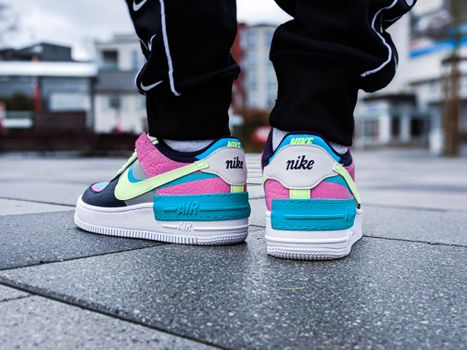
Nike Air shoes are often bold, with large, visible air units that have become a fashion statement in their own right. The Air Max series, for instance, is as popular for its street style as for its performance. The visible air bubble in models like the Air Max 90 or Air Max 97 not only serves a functional purpose but also acts as a design centerpiece. Nike frequently collaborates with artists and designers to create limited-edition Air models, making them highly collectible.
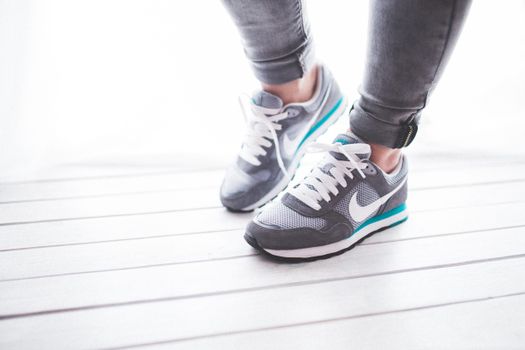
Nike Free models, by comparison, are sleek and understated. Their minimalist design focuses more on function than flash, with a low-profile silhouette and subtle branding. The flexible sole and lightweight upper often make them a favorite for gym-goers and those who prefer a more natural look. That’s not to say Nike Free shoes aren’t stylish—they come in a wide range of colors and patterns—but the emphasis is clearly on performance-driven simplicity.
Fit, Comfort, and Durability: What to Expect
Fit and comfort are major factors when selecting any shoe. Nike Air models generally offer a more structured fit, with substantial padding around the heel and tongue for stability. This makes them especially suitable for people with wider feet or those needing extra support in the arch and heel. The cushioning also enhances comfort during long periods of wear.
Nike Free shoes are known for their glove-like fit, hugging the contours of the foot thanks to stretchy uppers and flexible soles. This design promotes natural splay and movement, which can feel unusual at first to those accustomed to traditional sneakers. The overall comfort is excellent for short-term wear and dynamic movements but may lack the plushness needed for extended standing or high-impact activities.
Durability varies: Nike Air models tend to last longer due to their robust construction and thicker soles. The air units are tested to withstand hundreds of miles of use. Nike Free shoes, with their lighter materials and thinner soles, may show signs of wear sooner, especially if used for intense training or on rough surfaces.
Comparative Overview: Nike Free vs. Nike Air
To help clarify the differences, here’s a side-by-side comparison table summarizing the key distinctions between Nike Free and Nike Air models:
| Feature | Nike Free | Nike Air |
|---|---|---|
| First Release Year | 2004 | 1979 |
| Core Technology | Flexible sole with deep grooves | Air cushioning units in midsole |
| Weight | Very lightweight (average men’s size: ~200g) | Moderate to heavy (average men’s size: ~300-400g) |
| Cushioning | Minimal, promotes natural foot movement | High, absorbs impact for maximal comfort |
| Best For | Short runs, gym, agility, barefoot-like training | Long runs, high-impact sports, everyday wear |
| Design Style | Sleek, minimalist, low-profile | Bold, often features visible air units |
| Durability | Moderate | High |
| Price Range (2024 average) | USD $100–$130 | USD $120–$200+ |
Making the Right Choice: Which Nike Model Suits You?
When deciding between Nike Free and Nike Air, personal preference, intended use, and foot type are paramount. Here are a few practical takeaways:
- For natural movement enthusiasts, gym-goers, and those working on foot strength, Nike Free offers a unique, flexible experience that’s hard to match. If you’re transitioning from traditional shoes, it’s wise to gradually increase your use to allow your feet to adapt. - For runners logging long miles, athletes in high-impact sports, or anyone prioritizing maximum comfort and cushioning, Nike Air is a proven choice. The technology excels at shock absorption and supports a wider range of foot shapes. - If style is a priority, both lines offer fashionable options, but Nike Air’s bold designs and collaborations may appeal more to sneaker collectors. - Consider the price point and expected durability. Nike Air models generally command a higher price but may last longer under heavy use.Ultimately, the difference between Nike Free and Nike Air models is a difference in philosophy: natural flexibility versus engineered cushioning. Your choice should reflect your unique needs, activities, and style preferences.