A Runner’s Dilemma: Choosing Between Nike Free and Traditional Running Shoes
For runners and fitness enthusiasts, finding the right pair of running shoes is a pivotal decision that impacts performance, comfort, and injury risk. Among the myriad options, Nike Free shoes stand out for their minimalist, barefoot-inspired design, while traditional running shoes offer the cushioning and support that most runners have grown accustomed to. But which of these two distinct shoe types is truly better for you? In this comprehensive comparison, we’ll examine the core differences, benefits, drawbacks, and ideal use cases for both Nike Free and traditional running shoes, helping you make a well-informed decision based on your individual needs and goals.
Understanding the Design Philosophy: Nike Free vs. Traditional Running Shoes
Nike Free shoes were first introduced in 2004, inspired by Stanford athletes who trained barefoot on grass to strengthen their feet. The Nike Free lineup, including models like the Free RN and Free Run 5.0, is engineered to mimic the natural movement of barefoot running. Key features include a highly flexible sole, lightweight construction, and minimal cushioning. The goal is to promote natural foot motion and improve foot muscle strength.
.png)
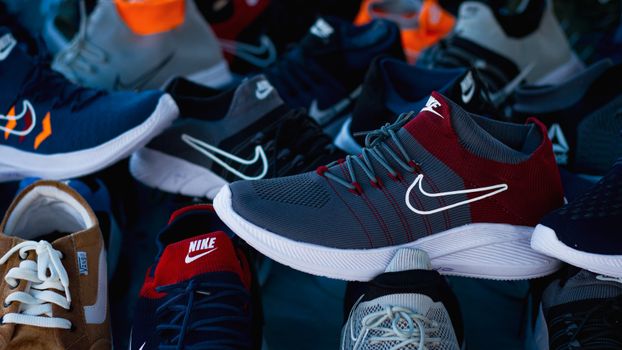
In contrast, traditional running shoes prioritize protection, support, and shock absorption. They typically feature thicker midsoles, structured heel counters, and built-in arch support. Brands like Nike, Asics, Brooks, and New Balance have long dominated this category with models designed to reduce impact and enhance stability, especially over long distances or on hard surfaces.
The design philosophy underlying each shoe type leads to significant differences in how they feel and function, which directly affects your running experience.
Performance and Biomechanics: How Each Shoe Influences Your Run
Nike Free shoes encourage a more natural gait cycle. Their low heel-to-toe drop (often 8mm or less) and segmented sole encourage forefoot or midfoot striking, which can reduce knee stress and potentially lower the risk of certain injuries. A 2016 study published in the “Journal of Sports Sciences” found that runners using minimalist shoes like Nike Free increased foot muscle size by up to 10% over a 6-month period, indicating stronger intrinsic foot support.
Traditional running shoes, on the other hand, are designed to absorb shock and provide stability. The average heel-to-toe drop is around 10-12mm, which promotes a heel-strike running pattern. Plush midsoles and reinforced uppers protect against repetitive impact injuries, making them a solid choice for high-mileage runners or those recovering from injuries.
Both shoe types influence your stride, muscle engagement, and ground feel in distinct ways. For example, beginners transitioning abruptly from traditional shoes to minimalist models without proper adaptation have a higher risk of calf or Achilles injuries.
Comfort, Support, and Injury Risk: What the Data Shows
Comfort is highly subjective, but certain trends emerge in studies and user reviews. Nike Free shoes are often praised for their lightweight, sock-like feel and breathability. However, the lack of structure and cushioning can be uncomfortable for runners with high arches, overpronation, or those requiring extra support.
Traditional running shoes tend to be heavier, but provide more consistent support and comfort for a broad range of foot types. According to a 2020 survey by Runner’s World, 68% of respondents preferred traditional running shoes for runs longer than 10 kilometers, citing reduced fatigue and better shock absorption.
Injury risk is another crucial factor. A 2013 randomized controlled trial involving 103 runners found no significant difference in overall injury rates between minimalist and traditional shoes after 12 months. However, the types of injuries differed: minimalist shoes had a higher incidence of metatarsal stress fractures, while traditional shoes showed more knee and hip complaints.
Durability, Cost, and Versatility: Practical Considerations for Everyday Use
When investing in running shoes, it’s important to consider their lifespan, price, and versatility. Nike Free shoes typically have a shorter lifespan, averaging 300-350 miles before the outsole and foam lose their integrity. Traditional running shoes can often last between 400-500 miles, depending on the model and runner’s gait.
In terms of cost, Nike Free shoes generally retail between $100 and $130, while traditional running shoes range from $120 to $180, with premium models sometimes exceeding $200. However, the longer lifespan of traditional shoes can offset the higher upfront cost.
Versatility is where Nike Free shoes shine. Their lightweight and stylish design make them popular for casual wear, gym workouts, and travel. Traditional running shoes, while less fashionable for everyday use, offer better performance on a variety of surfaces and for different running styles.
Here’s a side-by-side comparison of key features:
| Feature | Nike Free | Traditional Running Shoes |
|---|---|---|
| Weight (Men’s US 9) | 7.8 oz (220g) | 10.5 oz (298g) |
| Heel-to-Toe Drop | 6-8 mm | 10-12 mm |
| Average Lifespan | 300-350 miles | 400-500 miles |
| Price Range | $100-$130 | $120-$180+ |
| Main Benefit | Natural movement, lightweight | Cushioning, support |
| Best For | Short runs, gym, everyday wear | Long runs, high mileage, injury prevention |
Adapting to Each Shoe: Transition Strategies and Training Tips
Switching between Nike Free and traditional running shoes isn’t as simple as swapping one pair for another. Because Nike Free shoes promote greater foot mobility and natural mechanics, they require your muscles and ligaments to work harder. Experts recommend a gradual transition to avoid overuse injuries.
For runners interested in incorporating Nike Free shoes: - Start by wearing them for short walks or gym sessions. - Progress to short runs (1-2 miles), increasing distance by no more than 10% per week. - Pay attention to signs of strain in your calves, Achilles tendon, or arches.Conversely, if you’re returning from minimalist shoes to traditional running shoes, you may notice reduced ground feel and stability, but increased comfort and protection. This transition is usually easier and safer, especially for those managing injuries.
A 2018 survey from the American College of Sports Medicine found that 41% of runners who transitioned gradually to minimalist shoes reported improved foot strength and running enjoyment, while abrupt transitions led to a 25% higher rate of soft tissue injuries.
Which Should You Choose? Matching Shoe Type to Your Goals and Foot Type
The best shoe for you depends on your running goals, biomechanics, and personal preferences. Here are some scenarios to help guide your choice:
- If you prioritize natural movement, foot strengthening, and versatility for gym workouts or short runs, Nike Free shoes are a compelling option. - If you’re training for a marathon, have a history of joint injuries, or require extra support, traditional running shoes will likely offer better protection and longevity. - For runners with neutral pronation and no history of foot problems, rotating between both types can provide variety and reduce repetitive stress.It’s important to consider your unique anatomy as well. Flat-footed runners or severe overpronators may benefit from the stability of traditional shoes, while those with strong, neutral arches may thrive in the flexibility of Nike Free.
Final Thoughts on Selecting the Right Running Shoe for You
Both Nike Free and traditional running shoes have their strengths and weaknesses. Nike Free excels in promoting natural movement and foot strength, making it ideal for short distances, cross-training, and everyday wear. Traditional running shoes shine when it comes to cushioning, support, and durability, especially for long-distance running and injury prevention.
The key is to match your shoe choice to your activity, goals, and physical needs. Listen to your body, transition gradually if you’re trying a new style, and don’t hesitate to consult with a podiatrist or running shoe specialist if you have specific concerns. Ultimately, the best running shoe is the one that keeps you comfortable, injury-free, and motivated to hit the road or trail.