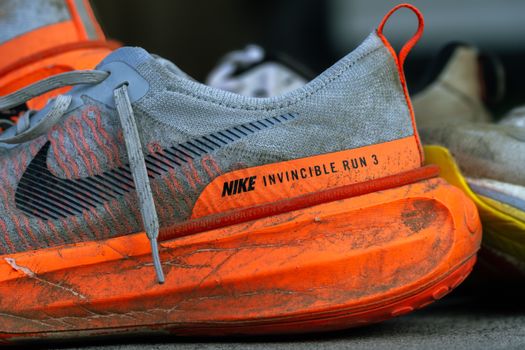
When choosing the right running shoe, the debate often narrows down to two popular categories: minimalist options like the Nike Free and more traditional running shoes. Both styles have passionate supporters and distinct design philosophies, but which is truly better suited to your needs? Whether you’re a seasoned runner, a casual jogger, or someone seeking all-day comfort, understanding the pros, cons, and science behind these shoe types can help you make the best decision for your feet, fitness, and lifestyle.
Understanding Nike Free: The Minimalist Philosophy
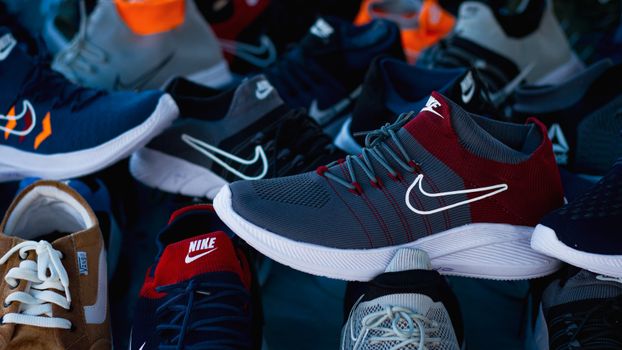
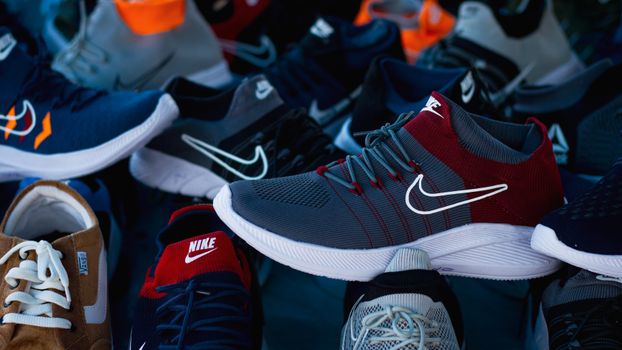
Nike Free shoes first hit the market in 2004, inspired by the barefoot training techniques of Stanford athletes. The goal: mimic the natural motion of running barefoot, encouraging the foot to move and flex as freely as possible. Nike Free models are defined by their light weight, deep sole grooves, and flexible midsole, all designed to promote natural foot movement.
Key features of Nike Free shoes include: - Ultra-flexible outsoles that bend with your foot’s motion - Lightweight, breathable mesh uppers - Minimal cushioning compared to standard trainers - Low heel-to-toe drop, often 6mm or lessResearch has shown that minimalist shoes can increase foot muscle activation by up to 60% compared to traditional running shoes, according to a 2015 study published in the Journal of Foot and Ankle Research. This can lead to stronger foot musculature over time, but it also means your feet must do more of the work with less external support.
.png)
What Defines Traditional Running Shoes?
Traditional running shoes, in contrast, focus on providing structured support, cushioning, and stability. They are designed to absorb shock, guide your gait, and reduce the risk of common running injuries.
Core characteristics include: - Pronounced arch support and heel cushioning - Rigid or semi-rigid sole construction - Higher heel-to-toe drop, often between 8-12mm - Added stability features like medial posts or support railsAccording to the Sports & Fitness Industry Association, nearly 60% of running shoes sold in the U.S. are traditional, highlighting their broad appeal among both recreational and serious runners. These shoes are especially beneficial for those with flat feet, overpronation, or a history of joint pain.
Performance Comparison: Nike Free vs. Traditional Running Shoes
When comparing Nike Free and traditional running shoes, the differences go beyond appearance. Here’s a side-by-side look at how they stack up in key categories:
| Feature | Nike Free (Minimalist) | Traditional Running Shoes |
|---|---|---|
| Weight (Men’s size 9) | Approx. 7.0 oz (198g) | Approx. 10.5 oz (298g) |
| Cushioning | Minimal | Moderate to Maximum |
| Heel-to-Toe Drop | 0-6mm | 8-12mm |
| Flexibility | Very High | Moderate |
| Foot Strengthening | Promotes natural movement | Less engagement of foot muscles |
| Injury Protection | Lower for impact-related injuries | Higher for shock absorption |
| Best For | Experienced runners, foot strengthening, short runs | All runners, high mileage, injury prevention |
For example, the Nike Free RN 5.0 weighs in at just 7 ounces, whereas the popular Brooks Ghost 15—a traditional trainer—tips the scales at around 10.5 ounces. This difference is immediately noticeable, especially during speedwork or short, fast sessions.
Health Implications and Injury Risk: What Does the Research Say?
A major consideration when choosing between Nike Free and traditional running shoes is injury risk and long-term foot health. Minimalist shoes like the Nike Free encourage a forefoot or midfoot strike, which can reduce stress on the knees but increase load on the ankles and Achilles tendon.
In a 2016 study published in the British Journal of Sports Medicine, runners who switched too quickly to minimalist shoes experienced a 2.3 times higher rate of bone marrow edema (a precursor to stress injuries) in the foot compared to those who continued in traditional shoes. However, runners who transitioned gradually, over 8-12 weeks, developed stronger foot muscles and reported fewer chronic injuries after adaptation.
Traditional running shoes provide more immediate protection against impact-related injuries, especially for runners with higher body weight or a history of plantar fasciitis, shin splints, or knee pain. A 2014 review in the Clinical Journal of Sport Medicine found that increased cushioning and support could reduce injury risk by up to 31% for novice runners.
Which Shoe Type Matches Your Running Style and Goals?
Your ideal running shoe depends on your unique biomechanics, training goals, and running surface. Here’s how each option aligns with specific needs:
- $1: Runners with strong, injury-free feet seeking to improve foot strength and proprioception, those interested in natural running form, and anyone doing short-distance workouts or cross-training. They’re also popular as everyday trainers for gym sessions and casual wear. - $1: Distance runners, heavier athletes, those with a history of joint pain or overpronation, anyone recovering from injury, and runners who value comfort and shock absorption over foot muscle strengthening.If you’re considering a transition from traditional shoes to Nike Free, podiatrists recommend a slow, phased approach. Start by using minimalist shoes for short walks or low-mileage runs, gradually increasing duration over several weeks. This allows your feet and calves to adapt to the increased demands of minimalist footwear, reducing the risk of stress injuries.
Real-World Examples: How Runners Choose Their Shoes
Let’s look at two runners with different profiles:
- $1 Sarah, 32, runs 30 miles per week and has a neutral foot strike. After years in traditional trainers, she introduces Nike Free shoes for track work and short tempo runs. Over six months, she notices improved foot strength and better balance, but still relies on her Asics Gel-Kayano for long weekend runs to minimize fatigue. - $1 Mark, 45, recently took up running to lose weight. He has a history of knee pain and some overpronation. Mark chooses a traditional running shoe with added arch support and cushioning, such as the Brooks Adrenaline GTS. This reduces his discomfort and helps him stick to his routine without setbacks.These examples highlight how shoe choice is highly individual and often involves using different shoes for different activities or stages of training.
Making the Right Choice: Key Takeaways for Your Needs
When comparing Nike Free and traditional running shoes, there is no universal "best"—only what’s best for your feet, goals, and running history. Minimalist shoes like Nike Free can help develop foot strength, agility, and proprioception, but require careful adaptation. Traditional runners provide more support, protection, and comfort, especially for those new to running or with specific biomechanical needs.
Consider your running background, injury history, and the types of workouts you do most often. If you’re curious about minimalist shoes, try them gradually and listen to your body. And remember: your best shoe may change as your fitness and goals evolve.