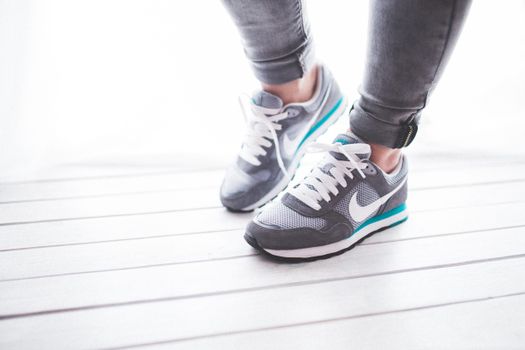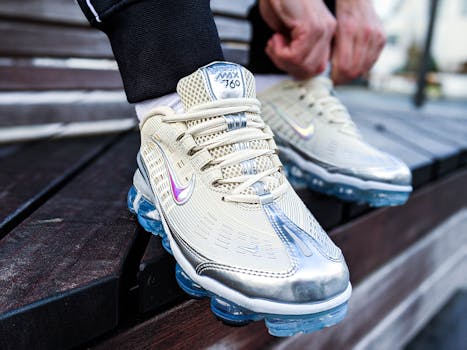
Nike’s running shoes have become synonymous with innovation, speed, and enhanced athletic performance. From elite marathon champions to everyday joggers, runners worldwide trust Nike to provide the footwear technology that gives them an edge. But how exactly do Nike’s running shoes enhance performance? This article explores the cutting-edge science, unique materials, and design philosophy behind Nike’s running shoes, shedding light on how they help runners go farther, faster, and with less fatigue.
The Science Behind Nike’s Performance Footwear
Nike’s commitment to performance enhancement is built on years of biomechanical research and collaboration with world-class athletes. Their innovation labs use motion capture, force plates, and pressure mapping to analyze how the foot interacts with the ground through every phase of the running gait.
A key finding from Nike’s research is that a mere 4% improvement in running economy can be the difference between finishing in first place or not making the podium at all. This was the science behind the creation of the Nike Vaporfly series, which was independently verified to improve running economy by an average of 4% compared to traditional racing flats, according to a 2017 study published in $1.
.png)
Nike’s design process also incorporates feedback from professional athletes like Eliud Kipchoge, who wore custom Nike shoes to break the two-hour marathon barrier in 2019. These insights directly inform the construction of each new model, ensuring that every shoe is engineered to maximize efficiency, comfort, and speed.
Advanced Materials: Lightweight and Responsive
One of the most significant ways Nike enhances running performance is through advanced materials. Modern Nike running shoes feature proprietary foams and textiles that strike the perfect balance between cushioning and responsiveness.
Nike’s ZoomX foam, introduced in 2017, is a prime example. This foam is about 30% lighter than traditional EVA foams and provides up to 85% energy return—the highest in Nike’s history. The result is a trampoline-like effect that propels runners forward with every stride, reducing the energy lost to impact.
The uppers of Nike’s performance shoes also feature Flyknit or engineered mesh, which are lightweight, breathable, and provide a sock-like fit. This reduces unnecessary weight and keeps feet cool, both critical for long-distance performance. According to Nike, the Flyknit upper has reduced the weight of some models by more than 50 grams compared to earlier iterations, directly contributing to faster race times.
Innovative Sole Technology: Plates, Traction, and Energy Return
Nike has revolutionized the running world with its use of carbon fiber plates embedded in the midsole. First introduced with the Nike Zoom Vaporfly 4%, these plates are now a staple in their top-tier racing shoes. The plate acts like a lever, increasing stiffness in the forefoot and helping runners maintain speed with less effort.
A 2018 study in the $1 found that runners wearing carbon-plated Nike shoes had an average improvement of 3.4% in running efficiency compared to those in standard racing flats. This is partly due to the combination of the plate and high-energy foam, which together create a “rolling effect” that smooths the transition from heel to toe.
Nike’s outsole innovations also boost performance. The brand uses specialized rubber compounds and waffle-pattern lugs to optimize traction and durability. Whether running on slick roads or uneven trails, Nike’s attention to grip and wear-resistance ensures runners retain their stride and confidence underfoot.
Personalization and Fit: Tailoring Shoes to Every Runner
Performance isn’t just about materials and plates; it’s also about how the shoe fits each individual runner. Nike has invested heavily in personalized fit technologies to ensure that their shoes work in harmony with the unique biomechanics of every athlete.
Nike Fit, a digital foot-scanning tool accessible through the Nike app, uses a smartphone camera and machine learning to measure the length, width, and volume of a runner’s foot with millimeter accuracy. Nike claims that this technology reduces sizing errors by 60%, leading to a more comfortable and supportive fit.
Moreover, Nike offers various widths and arch support options across their running shoe models, addressing the needs of runners with flat feet, high arches, or unique gait patterns. A proper fit reduces the risk of blisters, black toenails, and even overuse injuries, allowing runners to train harder and recover faster.
Case Studies: Real-World Performance Gains
Nike’s running shoes have been at the center of some of the most historic feats in distance running. In October 2019, Eliud Kipchoge wore a prototype of the Nike Alphafly NEXT% to become the first person to run a marathon in under two hours. Data from the event revealed that Kipchoge maintained an average pace of 4:34 per mile, a speed previously thought unattainable for the full marathon distance.
The impact of Nike’s shoes isn’t limited to the elite. According to Strava’s 2022 End-of-Year report, amateur runners who logged races in Nike Vaporfly or Alphafly models finished an average of 2.5% faster than those wearing other brands. This data, drawn from over 1 million race uploads, demonstrates that the technology benefits runners of all levels.
Below is a comparison table of key Nike running shoe models and their performance-enhancing features:
| Model | Main Technology | Weight (Men’s US 9) | Energy Return (%) | Ideal Use |
|---|---|---|---|---|
| Vaporfly NEXT% | ZoomX foam, Carbon plate | 184g | 85% | Marathon Racing |
| Alphafly NEXT% | ZoomX foam, Carbon plate, Air Pods | 210g | 85% | Elite Racing |
| Pegasus Turbo 2 | ZoomX foam | 207g | 80% | Daily Training |
| Infinity Run Flyknit | React foam, Flyknit | 281g | 76% | Injury Prevention |
Long-Term Benefits: Injury Prevention and Recovery
While speed and efficiency are crucial, Nike’s running shoes are also engineered to reduce injury risk and promote quicker recovery. The brand’s injury prevention research led to the creation of the Nike React Infinity Run, designed to address the high rates of running-related injuries.
A study conducted with more than 200 runners found that those using the React Infinity Run experienced a 52% lower injury rate compared to those in traditional stability shoes over a 12-week period. The wide base and rocker geometry of the shoe encourage a smooth, natural stride and reduce pressure on joints.
Additionally, Nike’s plush cushioning systems help absorb shock, minimizing the microtrauma that can accumulate in the muscles and tendons over long distances. This means runners can train more consistently and with less downtime due to aches or overuse injuries.
How Nike’s Running Shoes Enhance Every Level of Performance
From weekend warriors to Olympians, Nike’s running shoes provide tangible benefits that extend beyond the stopwatch. The seamless integration of advanced materials, biomechanical research, and personalized fit technologies results in footwear that not only makes runners faster but also keeps them healthier and more comfortable.
The combination of high energy return, lightweight design, and targeted support means that every step is more efficient, every mile less taxing, and every race more attainable. Whether chasing a personal best or simply seeking a smoother, more enjoyable run, Nike’s relentless focus on performance innovation continues to push the boundaries of what’s possible in athletic footwear.