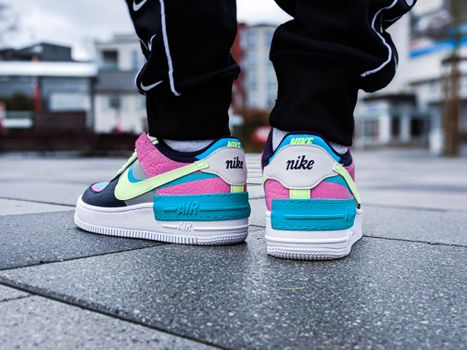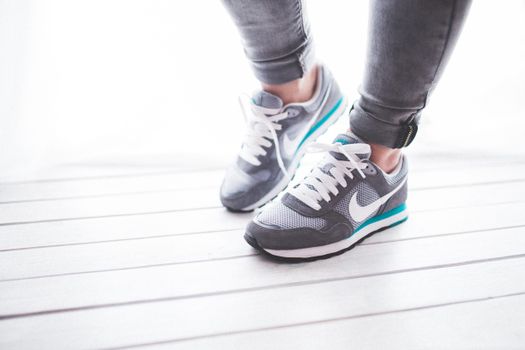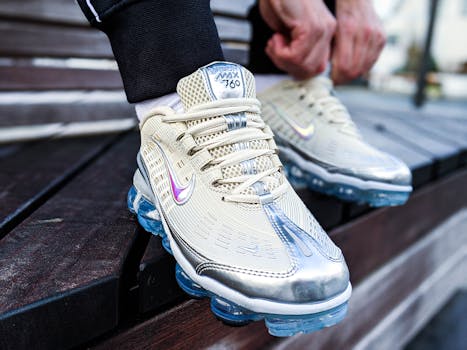
Nike’s running division has long been a driving force in the world of athletic footwear, setting benchmarks not just through performance but also through innovation and design. Over the decades, Nike has developed a diverse lineup of signature running shoes, each crafted to meet the specific needs of runners at every level. From world-record breaking marathon shoes to accessible trainers for daily joggers, Nike’s signature running shoes represent the brand’s relentless pursuit of excellence, comfort, and speed. This article takes you on a deep dive into the evolution, technology, athlete collaborations, and cultural impact of Nike’s most iconic running shoes, helping you understand what makes them leaders in the running world.
The Evolution of Nike’s Signature Running Shoes
Nike’s journey in running footwear began in the early 1970s, driven by co-founder Bill Bowerman’s desire to improve the performance of his athletes. The introduction of the Nike Cortez in 1972 was a game changer, offering more cushioning and support than its competitors. This was followed by a series of innovations that set Nike apart in the running market.
By the 1980s, Nike introduced the Pegasus line, designed as an accessible, versatile, and durable running shoe for all. The Pegasus remains one of the longest-running franchises in Nike’s history, now on its 40th+ iteration as of 2024. In the 1990s, the debut of Air Max technology brought visible air cushioning into the running scene, further elevating comfort and impact absorption.
.png)
The 21st century marked a technological leap with the introduction of Flyknit uppers, ZoomX foam, and the controversial carbon fiber plate in shoes like the Vaporfly series. These technologies have not only changed how shoes are made but have also been pivotal in elite athletes shattering records—Eliud Kipchoge’s sub-two-hour marathon in 2019 was achieved wearing the Nike Alphafly NEXT%.
Key Technologies Defining Nike’s Signature Runners
Nike’s signature running shoes are distinguished by a suite of proprietary technologies, each designed to address specific challenges faced by runners. Here are four of the most influential:
1. Nike Air Cushioning: Introduced in 1979, Nike Air uses pressurized air within a durable, flexible membrane to provide lightweight cushioning. The technology has evolved into various forms, including Air Zoom and Air Max, improving energy return and shock absorption. 2. ZoomX Foam: Launched in 2017, ZoomX is Nike’s lightest and most responsive foam to date. According to Nike, ZoomX delivers up to 85% energy return, helping runners go farther and faster with less fatigue. 3. Flyknit Uppers: Debuting in 2012, Flyknit technology uses high-strength fibers to create a lightweight, seamless, and breathable upper. This reduces waste by up to 60% compared to traditional cut-and-sew methods, and Nike estimates it has helped divert over 7 million pounds of waste from landfills. 4. Carbon Fiber Plate: First seen in the Nike Vaporfly 4% in 2017, the embedded carbon fiber plate acts as a lever to propel the runner forward, improving running economy by up to 4%, as verified by independent studies.These innovations are not just marketing points—they have been validated through laboratory testing and real-world racing, cementing Nike’s status as an industry leader.
Signature Nike Running Shoes: Comparing the Icons
Nike’s signature running shoes cater to a range of runners, from casual enthusiasts to Olympic athletes. Here’s a comparison of some of Nike’s most influential models:
| Model | First Release | Main Technology | Target User | Notable Achievement |
|---|---|---|---|---|
| Nike Pegasus | 1983 | React Foam, Air Zoom | Everyday Runners | Over 40 iterations; 25 million pairs sold |
| Nike Vaporfly | 2017 | ZoomX Foam, Carbon Plate | Elite Racers | 4% improved running economy; multiple marathon records |
| Nike Alphafly NEXT% | 2020 | ZoomX Foam, Dual Air Pods, Carbon Plate | Professional Marathoners | Worn by Eliud Kipchoge for sub-2 hour marathon |
| Nike Free RN | 2005 | Flexible Sole, Minimalist Design | Natural Runners | Pioneered barefoot-style running |
| Nike Structure | 1991 | Dynamic Support, Cushlon Foam | Stability Seekers | Trusted by overpronators for 30+ years |
This table highlights how Nike’s signature shoes target different needs, from speed and efficiency to support and everyday comfort.
Athlete Collaborations and Signature Editions
Nike’s relationship with top athletes has been central to the development and popularity of its running shoes. Unlike basketball, where player-specific signature shoes are common, Nike’s running shoes are often co-designed with elite athletes, integrating their feedback and biomechanical data.
For example, Eliud Kipchoge’s influence on the Alphafly NEXT% is well documented. Nike’s innovation team worked closely with Kipchoge for years, iterating prototypes based on his stride, pressure patterns, and feedback from test runs. The result? A shoe tailored to his needs, which contributed to the historic sub-two-hour marathon in Vienna.
Other elite runners, such as Shalane Flanagan and Galen Rupp, have also contributed to the development of models like the Pegasus Turbo and Zoom Streak. While these shoes aren’t named after the athletes, their performance DNA is undeniably present.
Nike occasionally releases special editions to honor these partnerships. The “EK” editions, named after Kipchoge, feature unique colorways and storytelling elements that celebrate his achievements. These limited releases are highly coveted in the running community and often sell out within hours.
The Cultural Impact of Nike’s Running Shoes
Beyond performance, Nike’s signature running shoes have made a lasting impact on culture and style. The Nike Cortez, originally a running shoe, became a fashion staple in the 1970s and 80s, immortalized in films like “Forrest Gump.” More recently, high-performance models like the Vaporfly and Alphafly have sparked debates about “technological doping,” as athletes wearing these shoes began breaking records at an unprecedented rate.
Nike’s running shoes have also found a place in the streetwear scene. Limited-edition colorways, collaborations with designers, and vintage revivals have led to high resale values. For example, the Off-White x Nike Zoom Fly collaboration in 2017 sold out instantly and now trades for over $500 on secondary markets.
The brand’s commitment to sustainability through technologies like Flyknit and Move to Zero initiatives has influenced industry-wide trends, pushing other manufacturers to adopt eco-friendly materials and practices. According to Nike, their Move to Zero campaign aims to achieve zero carbon and zero waste, with recycled materials now featured in over 70% of their running shoes.
Choosing the Right Nike Signature Running Shoe
Selecting the right Nike running shoe depends on your goals, running style, and individual biomechanics. Here are some tips to guide your choice:
1. For Beginners: The Nike Pegasus is a tried-and-true option, praised for its comfort, durability, and versatility. Its React foam and Air Zoom units provide a cushioned ride suited for daily runs. 2. For Speed Seekers: The Vaporfly series, featuring ZoomX foam and a carbon plate, is ideal for runners aiming to set PRs or race competitively. However, its higher price ($250+ as of 2024) and specialized design make it best for race day rather than daily training. 3. For Stability Needs: The Nike Structure line is tailored for overpronators, offering dynamic support to prevent injuries. 4. For Natural Runners: The Free RN provides a flexible, lightweight platform to encourage a more natural gait, popular among those who prefer minimal cushioning. 5. For Sustainability: Look for models with Flyknit uppers or those labeled under Nike’s Move to Zero campaign, ensuring you’re making an eco-conscious choice.It’s always recommended to try on shoes in-store or order from retailers with flexible return policies, as fit can vary between models and foot shapes.
Final Thoughts on Nike’s Signature Running Shoes
Nike’s signature running shoes are more than just footwear—they are the result of decades of research, athlete collaboration, and cultural resonance. With models that have helped shatter world records, influenced fashion trends, and championed sustainability, Nike remains at the forefront of running innovation. Whether you’re a novice looking for comfort or an elite athlete chasing speed, there’s a Nike shoe engineered to support your journey. As technology and materials continue to evolve, one thing is clear: Nike’s commitment to pushing the boundaries of what a running shoe can do shows no sign of slowing down.