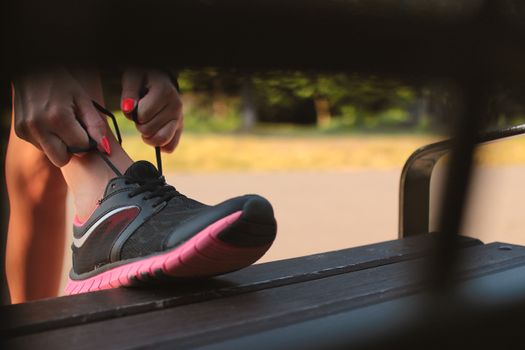
Nike Free shoes have revolutionized the running world since their debut, sparking passionate debates among athletes, podiatrists, and sports scientists. These minimalist shoes, designed to mimic the sensation of barefoot running while providing some protection, have been at the center of research examining how footwear influences running technique. But what does the science actually say about the Nike Free and its effect on the way we run? This article dives deep into the biomechanics, adaptation processes, benefits, and potential risks associated with Nike Free shoes, providing a comprehensive scientific perspective on minimalist footwear and running technique.
The Science Behind Minimalist Footwear Design
Minimalist shoes like the Nike Free were inspired by the idea that modern cushioned footwear may alter natural foot mechanics and contribute to running-related injuries. The Nike Free was first released in 2004, following observations of Stanford athletes training barefoot to strengthen their feet. The shoe's unique features—flexible sole, lightweight construction (often under 8 ounces per shoe), and low heel-to-toe drop (typically 4mm or less)—are designed to encourage a more natural gait.
Scientific studies have shown that barefoot running (or running in minimalist shoes) can lead to significant changes in running form. According to a 2010 study published in Nature, runners in minimalist footwear tend to land on the midfoot or forefoot, rather than the heel, which is more common in traditional cushioned shoes. This shift in footstrike pattern reduces the initial impact forces transmitted through the body, which some researchers believe may lower injury risk.
.png)
However, the transition to minimalist shoes isn’t just about footstrike. The flexibility and lack of structure in Nike Free shoes require the foot’s intrinsic muscles and stabilizers to work harder, potentially strengthening them over time. A 2016 systematic review in the Journal of Foot and Ankle Research found that minimalist runners demonstrated improved foot muscle strength and arch stiffness compared to those in conventional shoes.
How Nike Free Alters Running Technique
Wearing Nike Free shoes tends to produce notable biomechanical changes. Here are some of the most significant ways they influence running technique:
1. $1 Research consistently shows that minimalist shoes promote a shift from rearfoot (heel) striking to midfoot or forefoot striking. In a study of 52 runners (Goss & Gross, 2012), 67% of Nike Free wearers adopted a midfoot strike, compared to only 21% in traditional cushioned shoes. 2. $1 Switching to Nike Free often results in a shorter stride and increased step rate (cadence). Shorter strides lessen the impact on each step, while higher cadence is associated with reduced risk of overuse injuries. 3. $1 Minimalist footwear can redistribute loading away from the knee and toward the ankle and foot. A 2014 study in the Journal of Sports Sciences found that runners in Nike Free shoes experienced 12% less knee joint torque but 18% more ankle torque compared to those in conventional trainers. 4. $1 There’s greater activation of the calf muscles and intrinsic foot muscles when running in minimalist shoes. This can help build strength but also increases the risk of soreness or strain, especially during the adaptation period.The table below summarizes key biomechanical differences between Nike Free and traditional running shoes:
| Biomechanical Factor | Nike Free (Minimalist) | Traditional Running Shoes |
|---|---|---|
| Footstrike Pattern | Mainly mid/forefoot (67%) | Mainly heel (79%) |
| Stride Length | Shorter | Longer |
| Cadence (steps/min) | Higher (avg. 172) | Lower (avg. 164) |
| Knee Joint Torque | 12% less | Baseline |
| Ankle Joint Torque | 18% more | Baseline |
| Foot Muscle Activation | Increased | Lower |
Adaptation and Transition: What Runners Need to Know
Switching to Nike Free or any minimalist shoe isn’t a simple swap; it’s a process that requires gradual adaptation. The human foot contains 26 bones, 33 joints, and over 100 muscles, tendons, and ligaments, many of which are underutilized in conventional shoes. Transitioning too quickly can lead to overuse injuries such as Achilles tendinitis, metatarsal stress fractures, or plantar fasciitis.
Current guidelines suggest that runners should introduce minimalist footwear slowly, starting with walking and short runs, and increasing volume by no more than 10% per week. A 2013 study in the British Journal of Sports Medicine found that a 12-week transition program reduced injury risk and allowed runners’ feet and calves to adapt safely.
Some practical tips for transitioning: - Begin with 10-15 minutes of walking or light jogging in Nike Free shoes. - Increase duration by 5-10 minutes each week. - Incorporate foot-strengthening exercises (e.g., toe curls, towel scrunches). - Alternate between minimalist and traditional shoes during the adaptation phase.Potential Benefits of Nike Free for Running Efficiency and Injury Prevention
Advocates of Nike Free and minimalist footwear highlight several potential benefits:
1. $1 By allowing the foot to move naturally, Nike Free shoes help strengthen the intrinsic muscles and improve proprioception (the body’s sense of foot position and movement). A 2018 study from the University of Queensland found that runners who wore minimalist shoes for 6 months had a 57% increase in toe flexor strength. 2. $1 Some research suggests that lighter, less-cushioned shoes can improve running economy (energy cost of running). A study published in Medicine & Science in Sports & Exercise reported a 2% improvement in running economy when runners switched from traditional shoes to minimalists like Nike Free. 3. $1 Since minimalist shoes encourage a forefoot strike, they reduce the impact shock transmitted to the knee joint, which may help prevent certain injuries, such as patellofemoral pain syndrome. 4. $1 Nike Free promotes natural foot motion, potentially reducing the risk of chronic overuse injuries linked to altered biomechanics.Risks and Controversies: What Science Says About Minimalist Running
Despite the potential benefits, the scientific community remains divided on the safety and efficacy of minimalist shoes for all runners. Here are some of the key concerns:
- $1 Rapid transition to minimalist shoes has been linked to an increased risk of metatarsal stress fractures and Achilles tendinopathy, especially in runners with high mileage or poor adaptation. - $1 Individuals with flat feet, high arches, or existing foot problems may not respond well to minimalist footwear. A 2015 study in the Clinical Journal of Sports Medicine found higher injury rates among recreational runners who switched to minimalist shoes without proper guidance. - $1 While some injuries may decrease, others (notably in the foot and calf) may become more common. Injury prevention depends on individual biomechanics, training habits, and gradual adaptation.The controversy ultimately reflects the complexity of human biomechanics. No single shoe type is ideal for everyone, and personal experimentation, preferably under professional supervision, is often necessary.
Minimalist Footwear and Running Technique: Insights from Elite and Recreational Runners
Elite runners often exhibit naturally efficient running mechanics, regardless of footwear. However, even among top athletes, minimalist shoes like Nike Free have shifted training approaches. For instance, Kenyan distance runners, long admired for their barefoot training, often use minimal footwear to strengthen their feet and improve proprioception during off-season training.
Recreational runners, on the other hand, have shown mixed results. While some experience improved technique and reduced injury rates, others struggle with adaptation and sustain overuse injuries. In a 2017 survey conducted by the American College of Sports Medicine, only 38% of recreational runners who tried minimalist shoes continued using them after one year, citing comfort, injury, and difficulty in adaptation as common reasons for discontinuation.
Final Thoughts: Is Nike Free Right for Your Running Technique?
The Nike Free line has undeniably influenced running technique by encouraging a more natural, barefoot-inspired gait. Scientific evidence supports its ability to alter footstrike patterns, increase foot and calf muscle engagement, and potentially improve running economy and proprioception. However, these benefits come with caveats: adaptation must be gradual, and not every runner will thrive in minimalist footwear.
If you’re considering incorporating Nike Free shoes into your running routine, listen carefully to your body, transition slowly, and consult a sports medicine professional if you have any concerns. The journey to improved running technique is highly individual—what works for one runner may not work for another. The science is clear: minimalist footwear can be a powerful tool, but it must be used wisely and intentionally.