Nike: A Look at Their Influence on Sports Fashion
Nike is not just a name on the side of a sneaker—it's a global powerhouse that has shaped the very definition of sports fashion. From humble beginnings in 1964 as Blue Ribbon Sports to becoming a $46.7 billion brand by 2023, Nike’s influence stretches far beyond athletic performance. The company has orchestrated a cultural transformation, blurring the lines between what’s worn on the court and what’s worn on the street. This article delves into how Nike has driven the evolution of sports fashion, setting trends, collaborating with icons, and transforming the way the world dresses, both in and out of the stadium.
The Birth of Sports Fashion: Nike’s Early Innovations
Nike’s journey into sports fashion began with performance at its core, but its early innovations soon rippled out to influence everyday style. In 1971, the introduction of the Nike “Swoosh” logo marked not just a new brand identity but an emblem that would come to symbolize athletic excellence and street credibility alike.
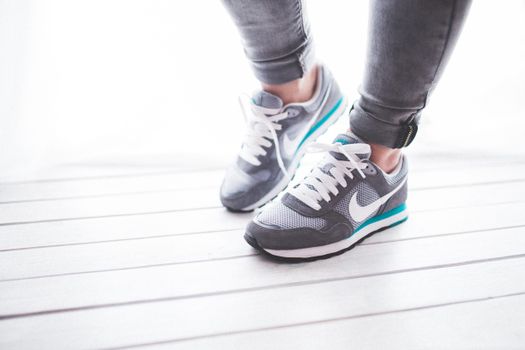
Nike’s first breakthrough in sports fashion was the 1972 release of the Cortez running shoe. Originally designed for athletes, it quickly became a streetwear staple thanks to its clean lines and comfort. The Cortez set the template for future crossover hits—athletic gear that was just as desirable for everyday wear.
.png)
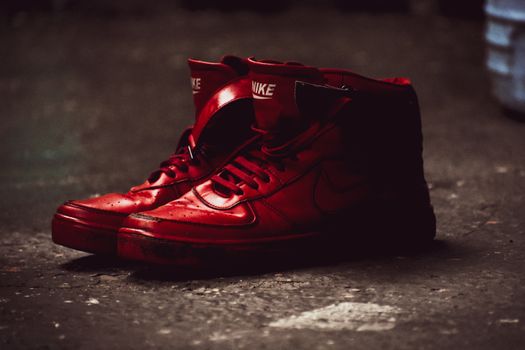
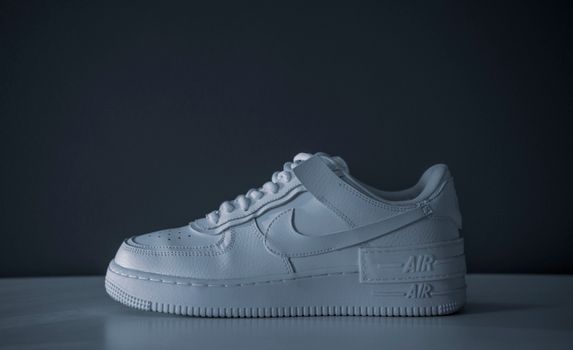
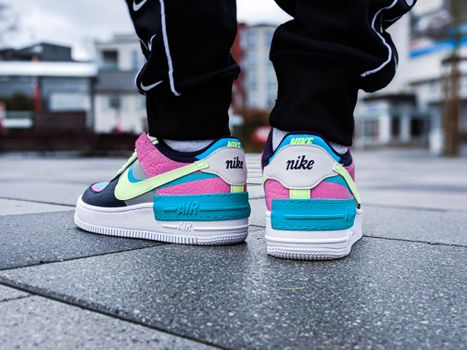
The 1982 release of the Air Force 1 basketball shoe was another pivotal moment. With its chunky silhouette and air-cushioning, it redefined what a basketball sneaker could look like. Over 2,000 variations and collaborations later, the Air Force 1 remains a fashion icon, regularly seen in both hip-hop videos and high-fashion runways.
From Courtside to Catwalk: Nike’s Impact on Streetwear
Nike’s influence on streetwear is impossible to overstate. The brand’s ability to bridge athletic performance and urban fashion has made it a leader in the global streetwear movement, a market estimated at $185 billion in 2022.
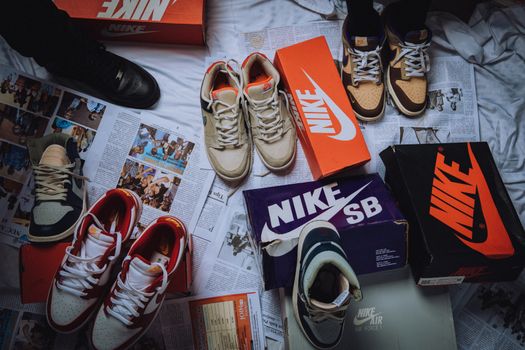
One of the most prominent examples is the Air Jordan line, a partnership with NBA legend Michael Jordan launched in 1985. The Air Jordan 1 was initially banned by the NBA for not matching the league’s uniform code, but this only fueled demand. Sneakerheads lined up for hours, and resale prices soared, sparking the modern sneaker culture.
Nike’s collaborations with artists and designers—like Off-White’s Virgil Abloh, Travis Scott, and Supreme—have further solidified its streetwear credentials. These partnerships routinely sell out within minutes and resell for many times their original price. For instance, the Off-White x Nike Air Presto, initially retailing for $160, has fetched over $1,500 on resale platforms.
Moreover, Nike’s Dri-FIT and Tech Fleece lines have brought performance fabrics to everyday wardrobes, making moisture-wicking and thermal technology a part of daily wear, not just gym gear.
Setting Trends: Nike’s Role in Fashion Innovation
Nike consistently leads the way in fashion innovation, leveraging both technology and cultural trends to stay ahead of the curve. The company spends over $4 billion annually on research and development, resulting in materials and designs that shape industry standards.
A key example is the development of Flyknit, a lightweight, formfitting fabric first introduced in 2012. This not only changed sneaker construction but also set a precedent for sustainability in sports fashion. By 2023, Nike had diverted more than 7.5 billion plastic bottles from landfills to create recycled polyester for its products.
Nike has also played a significant role in the “athleisure” trend, where athletic wear becomes day-to-day fashion. Items like leggings, joggers, and sports bras—once reserved for workouts—are now fashion essentials, thanks in part to Nike’s marketing and design prowess.
The brand’s ability to adapt is seen in its rapid embrace of digital trends, such as customizable sneakers via Nike By You, allowing consumers to choose colors, materials, and even add personal messages, making each pair unique.
Global Reach: Nike’s Cultural and Social Impact
Nike’s influence isn’t confined to the United States. With operations in over 190 countries and a workforce of more than 79,100 employees as of 2023, the brand’s global reach is immense. Nike has become a symbol of aspiration for young people worldwide, representing not just athletic achievement but also self-expression and empowerment.
Campaigns like “Just Do It” and “Equality” have highlighted social issues, using sports as a platform for activism. In 2018, Nike’s campaign featuring Colin Kaepernick sparked both controversy and admiration, emphasizing the brand’s willingness to engage with broader cultural conversations.
Nike also supports grassroots sports programs globally, investing over $100 million each year in community initiatives. These efforts foster inclusivity and diversity, further strengthening Nike’s association with positive cultural change.
Comparative Overview: Nike vs. Competitors in Sports Fashion Influence
To better understand Nike’s unique place in sports fashion, it helps to compare it with its major competitors. The table below summarizes key aspects of Nike, Adidas, and Puma in terms of market presence, iconic products, and cultural influence.
| Brand | 2023 Revenue (USD) | Most Iconic Product | Key Collaborations | Cultural Impact |
|---|---|---|---|---|
| Nike | $46.7 billion | Air Jordan 1 | Off-White, Travis Scott, Supreme | Leader in sneaker & streetwear culture, global campaigns, social activism |
| Adidas | $23.6 billion | Superstar | Kanye West (Yeezy), Pharrell Williams | Strong European presence, fashion-forward, sustainability initiatives |
| Puma | $9.3 billion | Suede Classic | Rihanna, J. Cole | Music and pop culture tie-ins, emphasis on lifestyle branding |
As shown, Nike not only leads in revenue but also in the breadth and depth of its cultural influence, thanks in part to its high-profile collaborations and willingness to engage with societal issues.
Sports Fashion for All: Nike’s Inclusive Approach
Nike’s impact on sports fashion isn’t limited to elite athletes or trendsetters. The brand has made significant strides in inclusivity, offering extended sizes, adaptive apparel, and gender-neutral collections. In 2019, Nike launched its first hands-free sneaker, the Nike Go FlyEase, specifically designed for people with limited mobility.
Nike’s commitment to women’s sports is also noteworthy. The brand has invested heavily in marketing campaigns and sponsorships for female athletes and teams, contributing to a 40% increase in women’s athletic apparel sales from 2017 to 2023.
Children and young athletes are not left out, either. Nike Kids offers scaled-down versions of its most popular styles, and the brand’s “Made to Play” initiative aims to get 50 million kids active by 2025 through partnerships with schools and community organizations.
Final Thoughts on Nike’s Enduring Sports Fashion Legacy
Nike’s influence on sports fashion is a story of continual evolution. From its earliest days, the brand has recognized that athletic wear can be more than just functional—it can be expressive, aspirational, and inclusive. By merging performance innovation with pop culture, Nike has made its products must-haves for athletes, celebrities, and everyday people alike.
The brand’s ability to anticipate and shape trends, forge meaningful collaborations, and champion inclusivity ensures its place at the forefront of sports fashion. As the world of fashion continues to change, Nike’s legacy of blending sport, culture, and style will likely remain unmatched.