Choosing the right athletic footwear is about more than just aesthetics. For athletes and everyday fitness enthusiasts alike, the right shoe can mean the difference between peak performance and potential injury. With a legacy stretching back over half a century, Nike has established itself not just as a fashion staple, but as a leader in performance, innovation, and user-focused design. This article explores the multifaceted benefits of choosing Nike for your athletic footwear, delving into their unique blend of technology, comfort, durability, and global influence.
The Science Behind Nike’s Performance-Driven Design
Nike’s commitment to research and innovation is at the heart of its reputation for high-performance athletic footwear. The company invests over $3 billion annually in research and development, employing teams of biomechanical engineers, material scientists, and athletes to push the boundaries of what athletic footwear can achieve.
One standout example is the Nike React foam technology, which provides 13% more energy return than previous Nike cushioning materials. This translates to better shock absorption and quicker energy transfer, which can help runners reduce fatigue over long distances. Similarly, Nike's Air Zoom series utilizes pressurized air units and tightly stretched fibers to create responsive cushioning, enhancing both speed and comfort for athletes.
.png)
Nike’s innovation doesn’t stop at cushioning. Their Flywire technology uses strategically placed filaments to provide lightweight support, reducing shoe weight by up to 30% compared to traditional designs. This kind of targeted support helps stabilize the foot, minimizing the risk of injury while maximizing performance.
Unmatched Comfort for All-Day Wear
Comfort is a non-negotiable when it comes to athletic footwear, and Nike excels in creating shoes that feel great from the first step to the last. Nike shoes are designed using extensive foot-mapping data collected from thousands of athletes, ensuring that each design caters to the natural shape and movement of the foot.
A 2022 consumer survey by Statista revealed that 87% of Nike shoe owners cited comfort as their primary reason for repeat purchases. Features such as Nike’s Dynamic Fit system ensure that the shoe adapts to the wearer’s foot for a glove-like fit, reducing pressure points and discomfort during prolonged activity.
Moreover, Nike pays attention to breathability and moisture management. Many models utilize mesh uppers and moisture-wicking linings, keeping feet cool and dry even during the most intense workouts. This attention to detail sets Nike apart from competitors and ensures that their footwear remains comfortable even after hours of use.
Durability That Withstands the Test of Time
Athletic shoes face immense wear and tear, especially for those training daily. Nike has responded to this challenge by developing durable materials and construction techniques that extend the lifespan of their footwear. For example, the Nike Grind initiative repurposes manufacturing waste to create outsoles that are both eco-friendly and highly resistant to abrasion.
Lab tests have shown that many Nike running shoes can maintain structural integrity for up to 500 miles of use — significantly higher than the industry average of 300-400 miles. This means athletes can rely on their Nike footwear for longer, saving money and reducing waste over time.
The brand's stitching, bonding, and reinforcement methods are rigorously tested. Nike’s shoes often undergo over 200 hours of wear-testing before reaching store shelves, ensuring that each pair can withstand the rigors of serious training, competition, and everyday use.
Style Meets Versatility: Beyond the Track and Gym
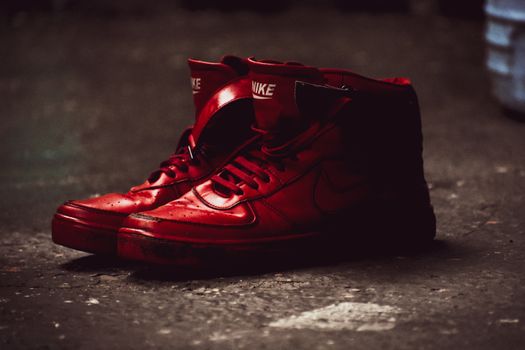
Nike’s influence stretches far beyond athletic performance; the brand has become synonymous with style and cultural relevance. From collaborations with top designers to limited-edition colorways, Nike shoes are as much a fashion statement as they are a performance tool.
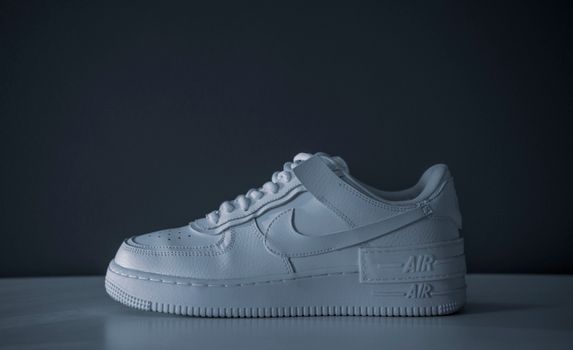
According to a 2023 report by the NPD Group, Nike holds a 39% market share in the global athletic footwear segment, but its reach into the lifestyle category is equally impressive. The Nike Air Force 1, originally introduced as a basketball shoe, now ranks among the top 10 best-selling sneakers globally, with over 10 million pairs sold annually.
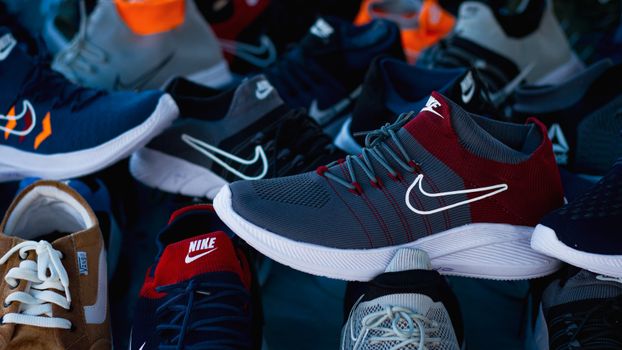
Nike’s extensive catalog ensures that there’s a shoe for every activity and style preference. Whether you need specialized footwear for basketball, soccer, running, or simply want a versatile sneaker for everyday wear, Nike’s product range is unmatched in its breadth and adaptability.
Commitment to Sustainability and Ethical Practices
Modern consumers are increasingly interested in brands that align with their values, and Nike’s sustainability initiatives make it a leader in responsible manufacturing. In 2023, Nike reported that 78% of its footwear contained recycled materials, with the goal of reaching 100% in the coming years.
The Nike Move to Zero campaign is an ambitious effort to achieve zero carbon and zero waste. Through initiatives like using recycled polyester and reducing water usage by 30% per pair of shoes, Nike is not just talking about sustainability — it’s actively implementing it.
Nike’s commitment extends to its labor practices. The company regularly publishes detailed reports about its supply chain and works with third-party auditors to ensure safe, fair, and ethical working conditions. This transparency and commitment to continuous improvement have helped Nike retain trust and loyalty among environmentally and socially conscious consumers.
Comparing Nike with Other Athletic Footwear Brands
To better understand Nike’s advantages, let’s compare it with two other major athletic footwear brands: Adidas and Under Armour. The table below highlights key differences across several important factors.
| Brand | Annual R&D Investment (USD) | Average Shoe Lifespan (Miles) | % of Shoes with Recycled Materials | Global Market Share (2023) | Notable Technology |
|---|---|---|---|---|---|
| Nike | $3 Billion | 500 | 78% | 39% | React Foam, Flywire, Air Zoom |
| Adidas | $2.5 Billion | 400 | 65% | 29% | Boost, Primeknit |
| Under Armour | $700 Million | 350 | 48% | 6% | UA HOVR, Micro G |
This comparison underscores Nike’s leadership in innovation, sustainability, and market presence — key reasons why athletes and consumers alike continue to choose Nike.
Global Impact and Community Engagement
Nike’s influence extends beyond product design and sales figures. The company is deeply involved in supporting athletic communities worldwide. Through the Nike Community Impact Fund, more than $100 million has been invested since 2010 to support youth sports, active lifestyles, and community development initiatives in over 50 countries.
Nike also partners with organizations such as Girls on the Run and the Special Olympics, promoting inclusivity and access to sports for underrepresented communities. Their global campaigns, like “Just Do It,” have inspired millions to pursue active, healthier lifestyles regardless of background or ability.
Nike’s commitment to making a difference off the field is just as impactful as its dedication to innovation on the field, reinforcing why the brand is trusted by athletes and communities around the globe.
Final Reflections on the Benefits of Choosing Nike for Your Athletic Footwear
Nike’s dominance in the athletic footwear market is no accident. Its blend of performance-oriented innovation, all-day comfort, durability, and unparalleled style makes Nike a top choice for athletes and casual wearers alike. The company’s strong focus on sustainability and social responsibility only adds to its appeal for the modern, conscientious consumer.
When you choose Nike for your athletic footwear, you’re investing in decades of research, proven technologies, and a commitment to making both you and the world better, step by step.