The Impact of Nike on the World of Sports
Nike is more than just a sportswear brand—it is a global powerhouse that has fundamentally reshaped the landscape of sports, influencing everything from athlete endorsements to the business of major leagues and the culture of athleticism. Since its founding in 1964 as Blue Ribbon Sports and its rebranding to Nike, Inc. in 1971, the company has grown into a symbol of innovation, performance, and cultural impact. With revenues reaching $46.7 billion in 2022 and a presence in over 190 countries, Nike’s influence on the world of sports is both profound and multifaceted. This article explores the key ways in which Nike has transformed sports, going beyond shoes and gear to touch on business, branding, social change, and the very nature of athletic competition.
Nike’s Game-Changing Athlete Endorsements
One of Nike’s most significant impacts on the sports world is its pioneering use of athlete endorsements. While companies had sponsored athletes before, Nike elevated this practice to an art form, forging partnerships that not only sold products but also shaped entire sports.
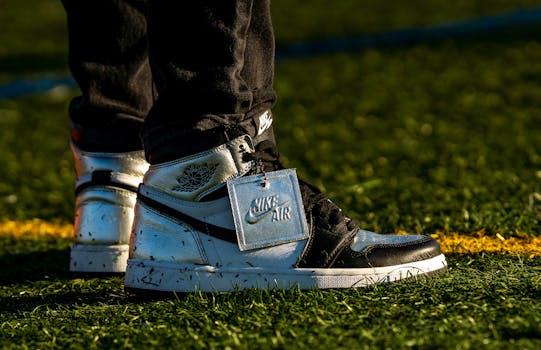
In 1984, Nike signed a rookie basketball player named Michael Jordan to an endorsement deal worth $500,000 per year for five years—a staggering sum at the time. The Air Jordan line, launched in 1985, quickly became a cultural phenomenon, generating over $100 million in revenue in its first year. This partnership not only transformed Nike’s fortunes but also set a new standard for athlete-brand collaborations.
.png)
Since then, Nike has worked with a roster of the world’s most iconic athletes, including Serena Williams, Tiger Woods, Cristiano Ronaldo, and LeBron James. These partnerships do more than market shoes—they inspire generations, elevate the profile of sports, and create lifelong associations between athletes and the Nike brand. Today, Nike spends around $3.5 billion annually on athlete endorsements, more than any other sportswear company.
Innovations That Changed the Game
Nike’s influence on sports technology and performance gear is nothing short of revolutionary. The company’s commitment to research and development has resulted in products that have redefined what athletes can achieve.
- In 1979, Nike introduced Air technology, embedding pressurized air units in their shoes to provide superior cushioning and impact absorption. This innovation has since been incorporated into hundreds of shoe models across multiple sports. - The 2017 debut of the Nike Vaporfly running shoe, featuring a carbon fiber plate and advanced foam, made headlines when Eliud Kipchoge wore them to run the first-ever sub-two-hour marathon (1:59:40) in 2019. Studies published in Sports Medicine estimate that the Vaporfly boosts running economy by an average of 4%, a significant edge in elite competition. - The Nike Pro Hijab, released in 2017, was a groundbreaking product designed for Muslim female athletes, highlighting Nike’s commitment to inclusivity and performance for all.Nike’s innovation pipeline continues to push boundaries, with new materials like Flyknit and sustainable initiatives such as the Move to Zero campaign, aimed at reducing carbon emissions and waste.
Business Impact: Sponsorships, Leagues, and Economic Influence
Beyond footwear and apparel, Nike has fundamentally altered the business of sports. The brand’s sponsorship deals with leagues, teams, and events have set benchmarks for the industry.
Nike is the official uniform provider for the NBA, supplying all 30 teams since 2017 in an eight-year deal reportedly worth $1 billion. In soccer, Nike’s iconic Swoosh appears on the kits of premier clubs like FC Barcelona, Paris Saint-Germain, and the U.S. Men’s and Women’s National Teams. The company’s influence extends to tennis, golf, track and field, and even esports.
The financial impact is significant. According to Forbes, Nike’s brand value reached $33 billion in 2023, making it the most valuable sports brand in the world. Its sponsorships create a ripple effect, boosting ticket sales, viewership, and merchandise revenues for teams and leagues.
| Aspect | Nike | Main Competitor (Adidas) |
|---|---|---|
| Annual Revenue (2022) | $46.7 billion | $24.6 billion |
| Global Endorsement Spend | $3.5 billion | $2.2 billion |
| Major League Partnerships | NBA, NFL, many top soccer clubs | FIFA World Cup, UEFA, select clubs |
| Brand Value (2023) | $33 billion | $15.3 billion |
Influence on Sports Culture and Identity
Nike’s impact transcends the field of play, reaching deep into the culture and identity of sports. The brand’s marketing campaigns—often crafted around themes of perseverance, equality, and self-belief—have shaped how the public perceives athletes and athletic achievement.
The 1988 “Just Do It” campaign, for example, became a rallying cry that resonated far beyond sports, encouraging people of all backgrounds to pursue their goals. Nike’s storytelling has played a major role in promoting diversity and inclusion, most notably with ads featuring Colin Kaepernick and Serena Williams. These campaigns have sparked conversations about social justice and the role of athletes as agents of change.
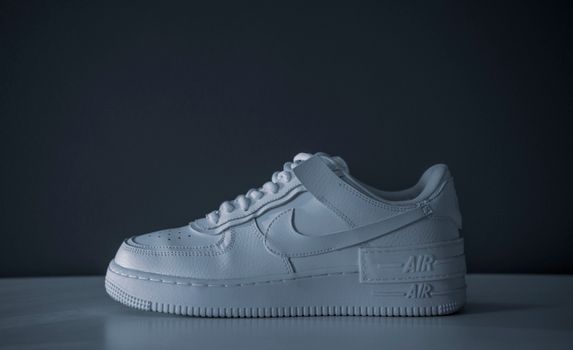
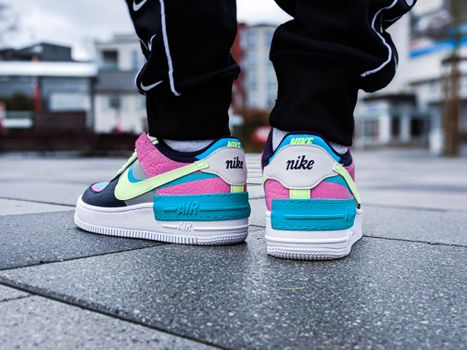
Nike’s cultural influence is also evident in streetwear and music, where sneakers like the Air Force 1 and collaborations with artists such as Travis Scott and Virgil Abloh have made sportswear a staple of global fashion.
Driving Grassroots Participation and Social Change
Nike’s investments in grassroots programs and community initiatives have had a tangible impact on sports participation and social change. The company’s “Made to Play” initiative, launched in 2013, aims to get kids moving by supporting organizations that provide access to sports and physical activity. As of 2023, Nike has invested over $100 million in youth sports programs globally.
Nike’s N7 Fund supports Native American and Indigenous communities, promoting health and wellness through sport. The company has also taken public stands on issues like racial equality and LGBTQ+ rights, using its platform to advocate for a more inclusive world of sports.
These initiatives have helped increase participation in sports among underrepresented groups, fostering a more diverse and equitable athletic community.
Shaping the Future of Sports
Nike’s impact on the world of sports is ongoing and evolving. As technology, sustainability, and social consciousness become increasingly important, Nike continues to lead the way.
In 2022, Nike announced its “Move to Zero” sustainability journey, aiming for zero carbon and zero waste. The company introduced products made from recycled materials, including the Space Hippie sneaker line, which uses at least 50% recycled content by weight. Nike has also committed to powering its facilities with 100% renewable energy by 2025.
On the technological front, Nike is exploring digital innovation through platforms like Nike Training Club and the Nike Run Club app, which collectively have tens of millions of users worldwide. These tools not only help athletes train smarter but also create new ways for fans to engage with sports.
With its ongoing commitment to innovation, inclusivity, and excellence, Nike is poised to shape the next generation of athletes, fans, and sports culture.
Conclusion
Nike’s influence on the world of sports goes far beyond shoes and apparel. Through groundbreaking athlete endorsements, technological innovation, transformative business practices, cultural impact, and social initiatives, Nike has helped redefine what it means to be an athlete and what sports can achieve for society. As the company continues to evolve, its legacy as a driver of progress and inspiration in the world of sports remains unmatched.