Nike’s Flyknit technology has revolutionized the footwear industry by combining sustainability, performance, and style in a single innovative package. Since its introduction, Flyknit has become synonymous with cutting-edge sneaker design, reshaping not just how shoes are made, but also how athletes and everyday wearers experience comfort and efficiency. But what exactly is Flyknit? What makes it so transformative, and why do both elite runners and casual sneakerheads swear by it? Let’s delve deeper into the magic behind Nike’s Flyknit technology, exploring its origins, technical prowess, environmental impact, and its influence on the future of footwear.
The Genesis of Flyknit: Where Innovation Meets Necessity
Nike’s journey to create Flyknit began in 2008, as the company sought to answer a fundamental question: how can a shoe be made to feel like a second skin? The challenge was to design a shoe that was lightweight, form-fitting, and supportive, without the bulk of traditional footwear construction.
After four years and over 195,000 hours of research and development, Nike introduced Flyknit to the world at the 2012 London Olympics. The Flyknit Racer, the debut model, was a sensation. Worn by elite athletes during the Games, it weighed a mere 160 grams (about 5.6 ounces), almost half the weight of traditional running shoes. This was made possible by utilizing strong, lightweight yarns precisely engineered to provide support where needed and flexibility elsewhere—essentially “knitting” the upper part of the shoe in a single, seamless piece.
.png)
The Science Behind the Magic: How Flyknit Works
Flyknit’s magic lies in its unique manufacturing process. Unlike conventional shoe uppers, which are cut and stitched from multiple pieces of fabric and leather, Flyknit uppers are created using advanced knitting machines that weave a single piece of fabric from high-strength, lightweight fibers. This process is not only faster and more precise but also drastically reduces waste.
The key technical elements of Flyknit technology include:
- Zoned support: By varying the tightness of the weave in different areas, Flyknit provides targeted support, flexibility, and breathability exactly where needed. For example, the toe box might be looser for comfort and ventilation, while the midfoot area is tightly knit for stability. - Lightweight construction: With fewer materials and no seams, Flyknit shoes are significantly lighter. The Nike Flyknit Racer, for example, is 19% lighter than Nike’s previous best marathon shoe, the Zoom Streak 3. - Adaptive fit: The snug, sock-like feel of Flyknit comes from its ability to conform to the shape of the wearer’s foot, reducing irritation and enhancing comfort.This precision engineering means each pair of Flyknit shoes is a marvel of textile science, marrying form and function in a way that traditional manufacturing simply can’t match.
Sustainability: Flyknit’s Green Revolution
One of the most remarkable aspects of Flyknit technology is its profound impact on sustainability in footwear manufacturing. Nike’s Flyknit process generates about 60% less waste compared to traditional cut-and-sew methods. According to Nike, over 7 million pounds of waste have been eliminated since Flyknit’s introduction—a significant step in reducing the brand’s environmental footprint.
Even more impressively, Nike has incorporated recycled materials into many Flyknit models. For instance, the Flyknit React and Flyknit Trainer lines often use at least 50% recycled polyester fibers. In 2021 alone, Nike used more than 1 billion plastic bottles to produce recycled polyester for its products, a large portion of which went into Flyknit uppers.
This commitment to sustainability extends beyond materials. The Flyknit process uses less water and energy, further reducing the environmental impact of each pair produced. This aligns with Nike’s broader “Move to Zero” campaign, aimed at achieving zero carbon and zero waste in the company’s supply chain.
Performance: Why Athletes and Everyday Wearers Love Flyknit
Flyknit technology isn’t just about looking good or being green—it’s also about delivering unparalleled performance. The seamless, lightweight design of Flyknit shoes offers several advantages for athletes and casual users alike:
- Enhanced breathability: The knit structure allows for superior airflow, keeping feet cool and dry during intense activity. - Reduced weight: Lighter shoes mean less fatigue, especially during long runs or extended wear. For example, marathon runners wearing Flyknit have reported improved times and reduced muscle strain. - Superior fit: The adaptive, sock-like upper minimizes pressure points and hot spots, reducing the likelihood of blisters and discomfort. - Dynamic support: Targeted reinforcement in key areas ensures the shoe remains stable and supportive, even during quick lateral moves or sprints.Nike’s Flyknit technology has been adopted across a wide range of sports, from running and basketball to soccer and even lifestyle sneakers. Notable models include the Nike Flyknit Lunar1+, celebrated for its cushion and support, and the Nike Free RN Flyknit, prized for its natural, barefoot-like feel.
Flyknit vs. Traditional Shoe Construction: A Comparative Overview
To better appreciate the impact of Flyknit technology, let’s compare it to conventional footwear construction methods.
| Feature | Flyknit Technology | Traditional Construction |
|---|---|---|
| Manufacturing Process | Single-piece, precision-knitted upper | Multiple pieces cut and stitched together |
| Material Waste | Up to 60% less waste | High levels of fabric waste |
| Weight | Significantly lighter (e.g., 160g for Flyknit Racer) | Heavier (often 250g+ for similar models) |
| Fit | Adaptive, sock-like, seamless | Potential for seams and pressure points |
| Sustainability | Often uses recycled fibers, less water and energy | Less sustainable, more resource-intensive |
| Breathability | Highly breathable due to knit structure | Less breathable, especially with leather/synthetics |
As the table illustrates, Flyknit offers distinct advantages in terms of sustainability, weight, fit, and comfort, setting a new standard for what consumers can expect from their shoes.
Design and Aesthetics: The Artistic Side of Flyknit
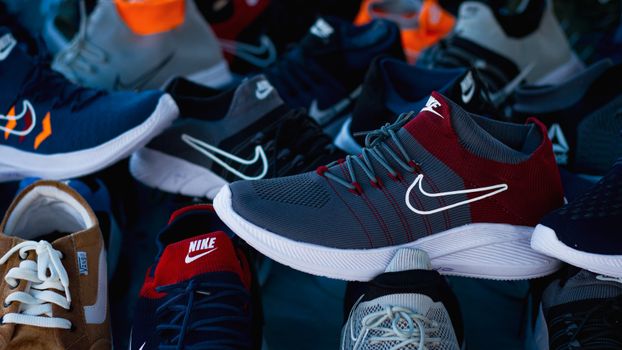
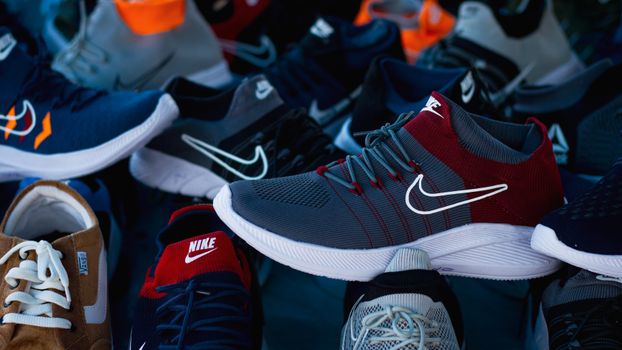
Beyond performance, Flyknit technology has opened up exciting new avenues for sneaker design. The precision knitting process allows for complex patterns, unique color gradients, and bold designs that would be impossible with traditional methods. Flyknit shoes often feature striking, multi-hued uppers and intricate textures that make them stand out on both the track and the street.
This design flexibility has made Flyknit a favorite canvas for collaborations and limited-edition releases. Iconic partnerships, such as the Nike x Off-White Flyknit collection, have captivated sneaker enthusiasts and driven demand for Flyknit models in the resale market. The Flyknit upper also lends itself to customization, allowing Nike to offer a wider range of colors and styles through its Nike By You program.
The Future of Flyknit: What’s Next?
As Nike continues to push boundaries, Flyknit remains at the forefront of the brand’s innovation strategy. Recent advancements include the integration of Flyknit with other technologies, such as Nike React foam for enhanced cushioning or Flywire cables for additional support. Nike is also exploring ways to make Flyknit even more sustainable, with ongoing research into biodegradable fibers and closed-loop recycling systems.
In 2023, Nike introduced Flyknit 365, an initiative aimed at crafting all-season, all-purpose knit shoes that maintain durability and comfort year-round. Early prototypes have shown remarkable resistance to water and dirt, further broadening Flyknit’s appeal beyond running and training to hiking and outdoor use.
Experts predict that the principles behind Flyknit—precision engineering, sustainability, and adaptive design—will influence broader trends in both athletic and casual footwear for years to come.
Conclusion
Nike’s Flyknit technology is more than just a footwear innovation—it’s a paradigm shift in how shoes are designed, manufactured, and experienced. By harnessing the power of advanced textiles, Nike has given athletes and consumers a lighter, greener, and more comfortable option, all while unlocking new realms of creativity in sneaker design. As environmental concerns and the demand for high-performance gear continue to grow, Flyknit stands as a testament to what’s possible when ingenuity meets necessity. Whether you’re an elite runner, a weekend warrior, or a style-conscious city dweller, the magic of Nike’s Flyknit technology has something to offer everyone.