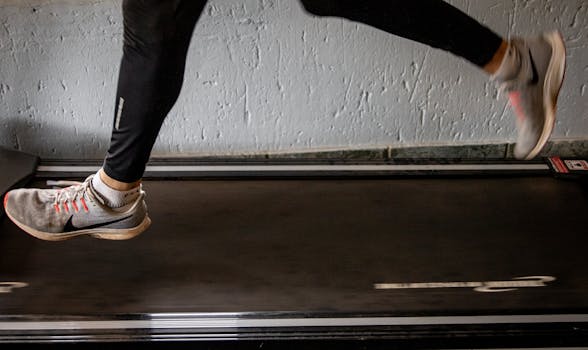
Nike Free running shoes have gained a devoted following among runners seeking a flexible, lightweight experience. With their unique minimalist design, Nike Free shoes promise to simulate barefoot running while still offering some support and protection. But how do they stack up against traditional running shoes, which are engineered for cushioning, stability, and structured support? In this comprehensive guide, we'll dive deep into the advantages and disadvantages of running in Nike Free compared to traditional running shoes, helping you decide which option is best for your unique needs.
The Philosophy Behind Nike Free and Traditional Running Shoes
To understand the pros and cons of each, it's important to first examine the philosophies that shape their design.
Nike Free was launched in 2004 with the goal of emulating the feeling and biomechanics of barefoot running. The idea was inspired by observing Stanford athletes who often trained barefoot, believing it helped strengthen their feet. Nike Free shoes are characterized by deep flex grooves, an ultra-lightweight build (often under 8 ounces for many models), and minimal heel-to-toe drop (usually 6mm or less).
.png)
Traditional running shoes, in contrast, are built for protection, support, and shock absorption. They typically feature thicker midsoles, greater heel-to-toe drop (often 10-12mm), and technologies aimed at controlling motion and reducing injury risk. These shoes are designed to handle high-mileage training, offering stability for a wide range of foot types and running gaits.
The difference in philosophy leads to radically different running experiences, each with distinct advantages and disadvantages.
Advantages of Running in Nike Free Shoes
1. $1Nike Free shoes encourage your foot muscles to work harder. Without the rigid support and thick cushioning of traditional shoes, your feet must stabilize themselves. A 2015 study published in the $1 found that runners who trained in minimalist shoes like Nike Free for 8 weeks increased intrinsic foot muscle size by 10%. Stronger foot muscles can lead to better balance and potentially lower risk of certain injuries.
2. $1With their flexible soles and low-profile design, Nike Free shoes allow your feet to sense the ground more acutely. This heightened proprioception (body awareness) can improve agility and running form. Many runners find that Nike Free encourages a more natural, midfoot strike rather than a heavy heel strike, which may reduce joint stress for some.
3. $1Nike Free shoes often weigh considerably less than traditional models. For example, the Nike Free RN 5.0 weighs just 7.2 ounces (men’s size 10), compared to popular cushioned trainers like the Nike Air Zoom Pegasus 40, which weighs over 10 ounces. This reduction in weight can contribute to a feeling of speed and freedom, especially during short runs, sprints, or agility workouts.
4. $1While not always ideal for long-distance running, Nike Free shoes excel in gym settings, cross-training, and casual wear. Their flexibility and lightweight nature make them a favorite for dynamic workouts such as HIIT, plyometrics, and strength training.
Disadvantages of Running in Nike Free Shoes
1. $1Nike Free shoes offer much less shock absorption than traditional running shoes. On hard surfaces or during high-mileage runs, this can increase the risk of stress injuries, especially for runners unaccustomed to minimal footwear. A 2013 study in $1 indicated that runners switching to minimalist shoes experienced a higher rate of metatarsal stress fractures, particularly when increasing distance too quickly.
2. $1Traditional shoes often feature structured midsoles or motion control elements designed to help runners who overpronate (roll their feet inward excessively). Nike Free, by design, lacks such features. Runners with flat feet, severe overpronation, or a history of knee and ankle injuries may find the minimal support insufficient.
3. $1Transitioning to Nike Free shoes demands a gradual adaptation period. Jumping straight from cushioned shoes to minimalist models can overstress the feet, calves, and Achilles tendons. Most experts recommend slowly increasing mileage in Nike Free—starting with short runs and incrementally building up over 6-8 weeks.
4. $1Because Nike Free soles are thinner and more flexible, they tend to wear out faster than traditional running shoes. The average life expectancy for a pair of Nike Free shoes is around 300 miles, compared to 400-500 miles for many standard trainers.
Advantages of Traditional Running Shoes
1. $1Traditional running shoes are designed to absorb impact and protect joints. Technologies like Nike Air, Asics Gel, and Brooks DNA foam are engineered to reduce forces transmitted to knees and hips. For long-distance runners, heavy athletes, or those with joint issues, this extra cushioning is a significant advantage.
2. $1Modern running shoes come in various stability categories—neutral, stability, and motion control—catering to different pronation patterns. This allows runners to choose a shoe that matches their biomechanics and reduces the risk of injury related to improper foot motion.
3. $1Traditional shoes are built for durability and comfort during long training runs or races. Marathoners and ultrarunners consistently rely on the protection and support these shoes provide. In 2022, a survey by $1 found that 82% of marathon finishers wore traditional cushioned running shoes.
4. $1For runners new to the sport, traditional shoes offer a gentler introduction, reducing the likelihood of stress injuries that can occur with abrupt exposure to minimal footwear.
Disadvantages of Traditional Running Shoes
1. $1With stiffer soles and more structure, traditional shoes limit natural foot motion. This can cause foot muscles to weaken over time, potentially leading to arch problems or decreased balance.
2. $1Extra cushioning and support come at the expense of added weight. A heavier shoe can feel cumbersome during speed workouts or short races, and may slightly reduce running efficiency.
3. $1Some critics argue that excess cushioning and built-in stability features may mask underlying biomechanical issues, encouraging runners to avoid addressing weak muscles or improper form. In the long run, this could contribute to chronic injuries.
Comparative Overview: Nike Free vs. Traditional Running Shoes
To help visualize the main differences, here's a comparative table outlining key features and their implications:
| Feature | Nike Free | Traditional Running Shoes |
|---|---|---|
| Weight (Men’s Size 10) | 6.5 - 8.0 oz | 9.5 - 12 oz |
| Heel-to-Toe Drop | 0 - 6 mm | 8 - 12 mm |
| Cushioning | Minimal | Moderate to Maximum |
| Support | Minimal, flexible | Structured, stability options |
| Recommended Use | Short runs, cross-training, strength workouts | Long-distance, varied surfaces, injury prevention |
| Adaptation Required | Yes, gradual transition advised | No, generally suitable for beginners |
| Durability | ~300 miles | 400-500 miles |
Choosing the Right Shoe for Your Needs
The decision to run in Nike Free or traditional running shoes should be based on your running goals, biomechanics, and injury history.
- $1 Traditional running shoes are generally safer if you’re just starting out. The extra cushioning and support help your body adapt to the repetitive motion and impact of running. - $1 If you have a strong, injury-free lower body and want to build foot strength or focus on natural running mechanics, incorporating Nike Free into your routine can be beneficial—especially for short runs or gym workouts. - $1 Those with a history of stress fractures, plantar fasciitis, or chronic overuse injuries should consult a sports podiatrist before switching to minimalist shoes. - $1 If you cross-train regularly or want a shoe for both running and gym work, Nike Free’s flexibility and lightness make it a compelling choice.Ultimately, some runners even rotate between both types: using Nike Free for short, strengthening sessions and traditional shoes for long-distance or recovery runs.
Final Thoughts on Nike Free vs. Traditional Running Shoes
Both Nike Free and traditional running shoes offer distinct advantages and drawbacks, and the best option depends on your unique needs and running style. Nike Free excels in promoting foot strength, proprioception, and versatility, but requires careful adaptation and may not suit every runner, especially over long distances. Traditional running shoes deliver reliable cushioning, stability, and protection, making them a trusted choice for many athletes.
If you’re curious about Nike Free, start slow, listen to your body, and consider consulting a footwear expert to ensure a safe and effective transition. The world of running shoes is not one-size-fits-all, but with the right approach, you can maximize the benefits of both minimalist and traditional footwear.