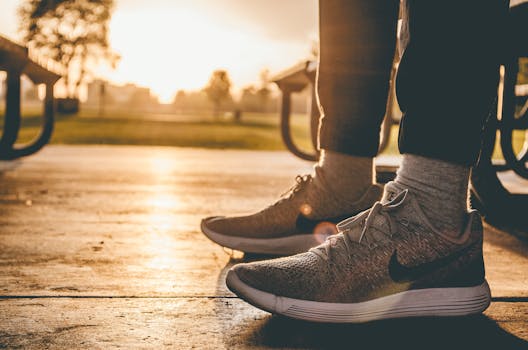
When it comes to athletic footwear, few trends have sparked as much discussion as the concept of “barefoot” running and training. The term “barefoot” isn’t just about ditching your shoes; it’s a philosophy and design approach that has influenced some of the world’s biggest brands, including Nike. For anyone intrigued by this movement or considering a pair of Nike Free shoes, understanding what “barefoot” truly means—and how it shapes your footwear choices—can make a real difference in comfort, performance, and overall satisfaction.
Defining "Barefoot": More Than Just No Shoes
The word “barefoot” might sound self-explanatory, but in the context of running and sports shoes, it carries a deeper, more technical meaning. In the early 2000s, a wave of research and anecdotal evidence suggested that running without shoes, or with minimal footwear, could promote a more natural stride, strengthen foot muscles, and potentially reduce certain injuries. This sparked the “barefoot running” trend, leading to a surge in minimalist shoe designs.
But what exactly does “barefoot” mean in footwear?
- Minimal Cushioning: Barefoot-style shoes have little to no padding, encouraging the foot’s natural movement. - Flexible Soles: A barefoot shoe’s sole bends and twists easily, allowing the foot to flex as it would without shoes. - Low or Zero Drop: “Drop” refers to the height difference between the heel and forefoot; barefoot shoes have little or no drop. - Lightweight Construction: These shoes are often extremely light, mimicking the feeling of being barefoot.It’s important to note that “barefoot” is a spectrum. Truly barefoot is, of course, no shoes at all, but “barefoot shoes” aim to replicate that sensation while providing some protection from debris and rough surfaces.
.png)
How the Barefoot Movement Shaped Modern Footwear
The barefoot movement did more than just introduce a new type of shoe—it challenged the very foundation of athletic shoe design. Traditional running shoes, especially in the 1970s through the early 2000s, were built for maximum cushioning and support, often featuring thick midsoles and pronounced heel-to-toe drops (sometimes 10-12mm).
However, studies like the one published in Nature in 2010 by Harvard’s Daniel Lieberman showed that people who run barefoot tend to land on their forefoot or midfoot, rather than their heel. This shift in gait can reduce the impact forces on the body, potentially lowering injury risk. In fact, a 2012 survey found that interest in minimalist footwear grew by 283% within just a few years.
This data led brands like Nike to experiment with new approaches. Instead of dictating how feet should move, the idea was to let the foot function as naturally as possible, just as it would if it were barefoot—but with a thin layer of protection.
Nike Free: Bridging the Gap Between Traditional and Barefoot Shoes
Nike Free shoes entered the scene in 2004 with a bold claim: to deliver “the benefits of barefoot running with the protection of a shoe.” Unlike extreme minimalist shoes (like the Vibram FiveFingers), Nike Free models were designed as a transition between traditional trainers and truly barefoot options.
Key characteristics of Nike Free shoes include:
- Deep flex grooves in the sole, allowing multidirectional flexibility. - Low-profile midsole, usually with a heel-to-toe drop of 6mm or less. - Lightweight mesh uppers for breathability and freedom of movement. - Varying levels of cushioning, with most models offering more than pure barefoot shoes but less than traditional trainers.Nike even introduced a numbering system (such as Free 3.0, 4.0, and 5.0), with lower numbers indicating a more barefoot-like feel. For example, the Nike Free 3.0 had the most minimal cushioning, while the 5.0 was closest to a regular running shoe.
Comparing Barefoot Shoes and Nike Free: Key Differences
Choosing the right shoe depends on your goals, experience, and foot health. Here’s a clear comparison between classic barefoot shoes and Nike Free models:
| Feature | Barefoot Shoes | Nike Free |
|---|---|---|
| Sole Thickness | Usually 3-8mm | Approx. 8-15mm |
| Heel-to-Toe Drop | 0mm (zero drop) | 4-8mm (low drop) |
| Arch Support | None | Minimal to moderate |
| Flexibility | Highly flexible, can often roll into a ball | Flexible, but more structure than barefoot styles |
| Weight | Ultra-light (< 6 oz per shoe) | Light (6-9 oz per shoe) |
| Protection | Minimal, mainly from abrasion | Moderate, suitable for urban environments |
| Target Audience | Experienced minimalist runners | General fitness, transitioning runners |
This table reveals that Nike Free shoes are not truly “barefoot” in the purest sense, but they do offer a stripped-back, flexible feel that’s closer to barefoot than traditional trainers. They’re ideal for people who want to experience more natural movement without going all-in on minimalism.
How Going "Barefoot" Impacts Your Nike Free Choice
Now that barefoot and Nike Free shoes have been compared, how does your understanding of “barefoot” affect your choice within the Nike Free lineup?
1. $1: If you’re new to minimalist footwear, jumping straight into ultra-thin barefoot shoes can lead to soreness or injury. Nike Free provides a transitional step. For example, the Nike Free RN 5.0 offers enough cushioning for beginners, but with the flexibility to promote natural movement. 2. $1: Are you using your shoes for running, gym workouts, or casual wear? Nike Free models are versatile, but some versions (like Free RN for running, or Free TR for training) are optimized for specific activities. Barefoot-style shoes, by contrast, may not provide enough support for high-impact gym sessions. 3. $1: Barefoot-style footwear isn’t for everyone. People with flat feet, plantar fasciitis, or other foot conditions may need more support. Nike Free’s moderate approach offers flexibility while retaining some protective features. 4. $1: Transitioning to barefoot-style movement takes time. Nike Free shoes let you gradually build foot and lower leg strength, reducing the risk of overuse injuries.A 2021 survey by the American College of Sports Medicine found that 57% of runners who transitioned too quickly to minimalist shoes experienced discomfort or injury. Using an intermediary like Nike Free can reduce this risk.
Real-World Examples: Who Benefits Most from Each Style?
Let’s look at some concrete examples to help you decide whether Nike Free or a more barefoot approach is best for you.
- $1: Sarah, who has always worn traditional running shoes, wants to try a more natural style. Jumping into barefoot shoes could cause calf or Achilles pain. A Nike Free RN 5.0 provides a flexible yet cushioned option that helps her transition safely. - $1: Mike does HIIT workouts, sprints, and agility drills. He needs traction and protection but likes the feeling of freedom. Nike Free TR fits the bill, offering multidirectional flexibility without going fully barefoot. - $1: James has spent years strengthening his feet and running form. He prefers barefoot shoes like Xero Shoes or Vibram FiveFingers, which provide almost no cushioning and maximum ground feel. - $1: Lisa spends hours on her feet in a busy urban environment. She wants comfort, flexibility, and enough protection from pavement and debris. Nike Free shoes offer a smart compromise.These examples show that “barefoot” is not a one-size-fits-all concept. Your needs, goals, and experience will determine which shoe is right for you.
The Science and Sensation Behind Barefoot-Inspired Footwear
Why do so many athletes, fitness enthusiasts, and everyday walkers gravitate toward barefoot-inspired shoes like Nike Free? There’s both scientific and sensory appeal.
- $1: Barefoot-style shoes enhance your sense of the ground, improving balance and agility. A study in the Journal of Sports Sciences (2016) found that minimalist shoes increased foot muscle activity by 20% versus traditional trainers. - $1: Wearing less structured shoes can help strengthen intrinsic foot muscles. Over time, this may reduce injury risk and improve athletic performance. - $1: Barefoot footwear encourages shorter strides and midfoot striking, which can decrease impact forces on joints. - $1: Many users report that Nike Free shoes feel less restrictive, allowing toes to splay and feet to move naturally.Of course, these benefits depend on personal adaptation. Transitioning slowly and listening to your body is key, especially if you’ve spent years in heavily cushioned shoes.
Making Your Choice: Which Nike Free (or Barefoot Shoe) Is Right for You?
If you’re considering Nike Free shoes because of their barefoot-inspired design, reflect on the following:
- How much cushioning do you want or need? - Do you have any foot or lower limb issues that require support? - Are you transitioning from heavily cushioned shoes, or are you already comfortable with minimalist styles? - What activities will you use your shoes for?Nike Free shoes range from models that are closer to traditional trainers (like the Free RN Distance) to those that are more minimalist (such as the Free RN 5.0). If you’re seeking the purest barefoot experience, you may want to explore dedicated barefoot brands. For a versatile, accessible, and protective option, Nike Free offers an excellent middle ground.