Caring for your Nike Free shoes is about more than just keeping them looking fresh—it’s essential for maximizing their lifespan, performance, and comfort. As one of Nike’s most beloved minimalist shoe lines, the Nike Free is designed to move naturally with your foot, making it a favorite for runners, gym-goers, and casual wearers alike. But like any athletic footwear, regular use can quickly take a toll on your shoes without the right maintenance. With a bit of know-how and the right approach, you can keep your Nike Free shoes in top condition for hundreds of miles. In this guide, we’ll dive into proven, practical tips for maintaining and cleaning your Nike Free shoes, ensuring they stay supportive, flexible, and clean for as long as possible.
Understanding Nike Free Materials and Construction
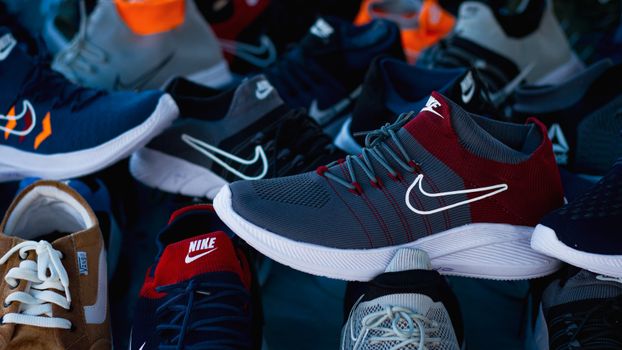
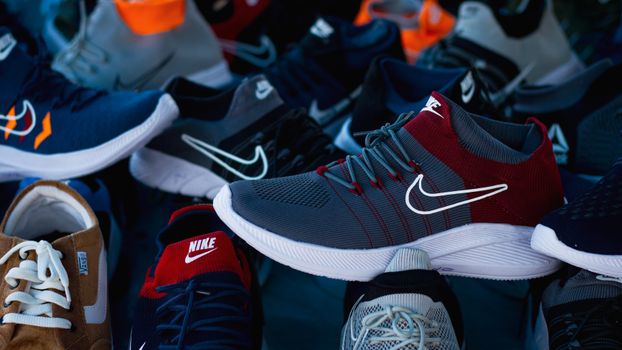
Before you start cleaning or maintaining your Nike Free shoes, it helps to understand what sets their construction apart. Unlike traditional running shoes, Nike Free models focus on flexibility, lightweight materials, and a minimalist sole that mimics barefoot movement. Most Nike Free shoes feature:
- Engineered mesh or knit uppers for breathability and stretch - Lightweight foam midsoles for cushioning and flexibility - Deep sole grooves for natural foot movement - Synthetic overlays for structure and durabilityThese features mean the shoes are comfortable and adaptive, but they also require specific care. Mesh and knit materials can trap dirt, while flexible soles can wear faster without proper upkeep. According to a 2022 Nike product report, the average lifespan of a Nike Free shoe is between 300 and 500 miles, depending largely on care and usage patterns.
.png)
Daily Habits to Prolong the Life of Your Nike Free
The way you use, store, and handle your Nike Free shoes daily has a massive impact on their longevity. Implementing a few simple habits can dramatically extend their lifespan:
1. $1 Don’t wear your Nike Free shoes every day, especially if you use them for intense workouts. Rotating between two pairs gives each set time to decompress and dry out, helping the foam midsole maintain its shape and bounce. 2. $1 When putting on your shoes, use a shoe horn or loosen the laces fully. This prevents unnecessary stretching and reduces stress on the heel collar and upper, which are common points of wear. 3. $1 After each wear, remove the insoles and let both the shoes and insoles air out in a dry, ventilated space. This prevents moisture buildup, which can lead to odors and material breakdown. Studies show that letting shoes dry naturally can reduce the growth of bacteria by up to 60%. 4. $1 Keep your Nike Free shoes away from direct sunlight, heaters, and wet environments. Exposure to high heat can damage the adhesives and foam, while moisture can cause the materials to deteriorate prematurely.These daily practices, while simple, can add months to the life of your shoes and reduce the frequency of deep cleaning sessions.
Step-by-Step Guide to Cleaning Nike Free Shoes
Unlike shoes made from leather or suede, Nike Free shoes with mesh or knit uppers require gentle, targeted cleaning. Here’s a step-by-step process recommended by shoe care experts and Nike themselves:
1. $1 Use a soft-bristled brush or an old toothbrush to gently remove loose dirt and debris from the outsole, midsole, and upper. Pay attention to the deep flex grooves, as these can collect tiny stones and grit. 2. $1 Mix warm water with a small amount of mild detergent or sneaker cleaner. Avoid harsh chemicals, as these can break down the materials and color. 3. $1 Dip a soft cloth or brush in the solution and gently scrub the upper and sole. For stubborn stains, let the cleaning solution sit for a few minutes before scrubbing. 4. $1 Wipe away soap with a clean, damp cloth. Do not submerge your Nike Free shoes in water, as this can weaken the glue and damage the foam. 5. $1 Stuff the shoes with paper towels or clean cloths to help them retain their shape and absorb moisture. Let them air dry at room temperature—avoid direct sunlight or heat sources. 6. $1 Remove the insoles, clean them with the same mild solution, and let them dry completely before reinserting.A 2021 consumer survey found that shoes cleaned using this gentle method lasted up to 30% longer than those washed in machines or exposed to harsh cleaning products.
Protecting and Restoring Nike Free Shoes: Preventative Care
Prevention is key to keeping your Nike Free shoes performing and looking their best. Here are some proven ways to shield your shoes from dirt, stains, and premature wear:
- $1 After cleaning and drying your shoes, lightly spray the upper with a fabric protector designed for mesh or knit sneakers. This creates an invisible barrier against water and stains without compromising breathability. - $1 If you notice the toe box starting to lose shape, consider inserting sneaker shields. These lightweight plastic inserts help maintain the structure of the upper, especially if you use your Nike Free shoes for everyday wear. - $1 The insoles of Nike Free shoes are often made from lightweight foam that can compress over time. Replacing insoles every 6-12 months (depending on usage) restores cushioning and improves comfort. - $1 Inspect the outsole grooves regularly for embedded debris or excessive wear. Deep flex grooves can trap stones, which, if not removed, can damage the sole and affect flexibility.Regular preventative care can save you money in the long run and help preserve the signature Nike Free feel.
When to Replace: Nike Free Longevity vs. Other Running Shoes
Even with the best care, no shoe lasts forever. Knowing when to replace your Nike Free shoes is essential for foot health and performance. Nike Free shoes are built for flexibility and natural movement, but their minimalist design means the foam and mesh can wear out faster than heavier, more structured running shoes.
The table below compares the average lifespan of Nike Free shoes with other popular running shoe types:
| Shoe Type | Average Lifespan (Miles) | Key Signs of Wear |
|---|---|---|
| Nike Free (Minimalist) | 300-500 | Loss of flexibility, thinning mesh, outsole smoothing, reduced cushioning |
| Traditional Running Shoes | 400-600 | Midsole compression, outsole wear, loss of support |
| Stability Running Shoes | 350-550 | Worn support features, uneven wear, reduced arch support |
| Trail Running Shoes | 300-500 | Tread loss, upper tears, water resistance decline |
According to podiatrist recommendations, if you notice significant wear in the outsole grooves, loss of cushioning, or the upper starts to stretch out of shape, it’s time to consider a new pair—even if they still look presentable.
Eco-Friendly Cleaning and Disposal Tips for Nike Free Shoes
As sustainability becomes a growing concern, it’s worth considering how to keep your cleaning routine environmentally friendly and what to do with your Nike Free shoes when they reach the end of their life.
- $1 Look for eco-friendly sneaker cleaners or make your own with castile soap and water. This minimizes chemical runoff and reduces your environmental footprint. - $1 Old Nike Free shoes that are no longer suitable for running can still serve as comfortable walking shoes or be donated to local charities. Some Nike stores also participate in recycling programs, turning worn shoes into playground surfaces or athletic tracks. - $1 Nike’s Reuse-A-Shoe program accepts worn-out athletic shoes of any brand and recycles them into materials for new products. As of 2023, Nike has recycled over 32 million pairs of shoes through this initiative.Taking these steps not only extends the useful life of your Nike Free shoes but also supports broader efforts to reduce waste and promote sustainability.
Final Thoughts on Maintaining and Cleaning Nike Free Shoes
Proper maintenance and cleaning of your Nike Free shoes are crucial for getting the most out of their innovative design. By adopting smart daily habits, cleaning them gently and regularly, and using protective products, you can extend the life of your shoes well beyond the average. Comparing the longevity of Nike Free shoes to other running shoe types highlights the importance of attentive care for minimalist footwear. And as you clean and eventually retire your shoes, considering eco-friendly options ensures you’re making a positive impact beyond your own comfort.
By investing a little time in maintenance, you’ll enjoy the natural, flexible feel of your Nike Free shoes for hundreds of miles—keeping your feet happy and your shoes looking (and smelling) their best.