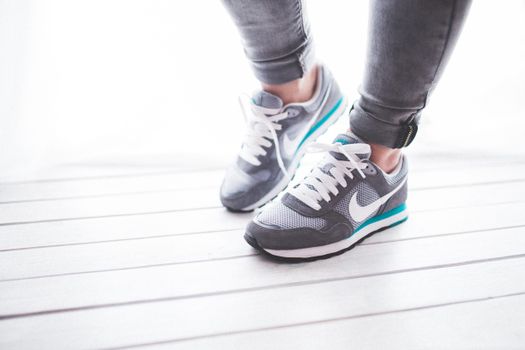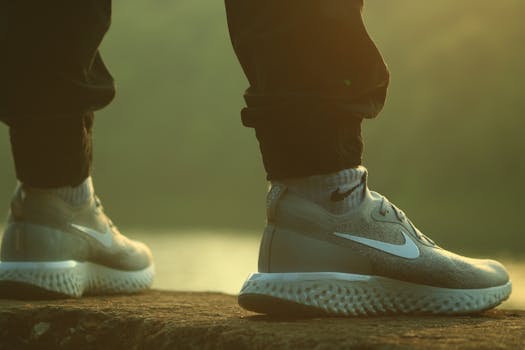
Nike Free shoes have made a substantial impact on the athletic footwear landscape since their introduction in 2004. Designed to simulate barefoot running while providing some degree of protection, Nike Free aims to encourage natural foot movement, flexibility, and enhanced proprioception. But how do these shoes truly affect foot health and overall body biomechanics? As the minimalist shoe trend continues, understanding the effects of Nike Free on our bodies is more relevant than ever. This article dives into the science, benefits, potential drawbacks, and real-world implications of wearing Nike Free, focusing on how these unique shoes influence both foot health and whole-body movement mechanics.
The Science Behind Nike Free: What Makes Them Unique?
Nike Free shoes are engineered to mimic the natural motion of barefoot running, while still offering some cushioning and protection from urban environments. Unlike traditional running shoes that often have substantial arch support and thick soles, Nike Free features a low-profile, highly flexible sole with deep sipes (or grooves) that allow the shoe to bend and twist with the natural movement of the foot.
These design elements stem from biomechanical studies conducted by Nike in the early 2000s. Researchers analyzed athletes running barefoot and discovered that the foot lands and pushes off differently without restrictive footwear. The Nike Free line was developed to replicate the natural splay and movement of the foot during barefoot activity, with the goal of strengthening foot muscles and improving proprioception (the body's sense of its position in space).
.png) Key features of Nike Free shoes include:
- A heel-to-toe drop typically between 4-8mm (compared to 10-12mm in most traditional running shoes)
- Multi-directional flex grooves for increased flexibility
- Lightweight construction, often under 250 grams per shoe
- Minimalist upper, allowing for a glove-like fit
Key features of Nike Free shoes include:
- A heel-to-toe drop typically between 4-8mm (compared to 10-12mm in most traditional running shoes)
- Multi-directional flex grooves for increased flexibility
- Lightweight construction, often under 250 grams per shoe
- Minimalist upper, allowing for a glove-like fit
These features are intended to provide a balance between the benefits of barefoot running and the protection needed for modern surfaces.
Foot Health: Strengthening vs. Risk of Injury
One of the most touted benefits of Nike Free is its potential to strengthen foot muscles and improve overall foot health. By reducing support and cushioning, the shoe encourages the intrinsic muscles of the foot (such as the flexor digitorum brevis and abductor hallucis) to work harder. A 2011 study published in the British Journal of Sports Medicine found that running in minimalist shoes for 12 weeks increased foot muscle size by up to 8% compared to traditional shoes.
However, this benefit comes with caveats. Transitioning too quickly from structured shoes to Nike Free can increase the risk of overuse injuries. Common issues include: - Plantar fasciitis: Inflammation of the tissue connecting the heel to the toes, often due to sudden increases in load on the arch. - Metatarsal stress fractures: Minimal cushioning means more force is absorbed by the bones of the forefoot. - Achilles tendonitis: Reduced heel height increases strain on the Achilles tendon.According to a 2013 study in the Journal of Foot and Ankle Research, runners who switched abruptly to minimalist footwear reported a higher incidence of calf and foot soreness, with 18% developing stress injuries within the first three months.
For optimal foot health, experts recommend a gradual transition, allowing time for the foot and lower leg muscles to adapt. This often means incorporating Nike Free shoes into short walks or low-mileage runs before making them a daily staple.
Biomechanical Effects: Gait, Posture, and Muscle Activation
Nike Free’s minimalistic design alters the way the entire body moves, not just the feet. Biomechanical studies have shown that compared to conventional running shoes, Nike Free tends to promote a midfoot or forefoot strike pattern rather than a heel strike. This shift can have several effects:
1. $1: Landing on the midfoot or forefoot reduces the impact peaks associated with heel striking, potentially lowering the risk of certain impact-related injuries. 2. $1: Runners often take shorter, quicker steps in Nike Free, which can improve running efficiency and reduce braking forces. 3. $1: More muscles in the lower leg and foot are engaged to stabilize each step. A study from the University of Southern California found increased activity in the tibialis anterior and gastrocnemius muscles when athletes wore Nike Free compared to traditional shoes.However, these biomechanical changes are not universally beneficial. Some individuals may compensate by increasing knee flexion or hip rotation, which could lead to new types of strain or overuse injuries if not monitored.
Comparing Nike Free to Traditional and Other Minimalist Shoes
To better understand the unique position of Nike Free in the world of athletic footwear, it helps to compare key characteristics with both traditional running shoes and other minimalist options.
| Feature | Nike Free | Traditional Running Shoes | Other Minimalist Shoes |
|---|---|---|---|
| Heel-to-Toe Drop | 4-8mm | 10-12mm | 0-4mm |
| Weight (per shoe) | 200-250g | 250-350g | 120-200g |
| Flexibility | High | Moderate-Low | Very High |
| Cushioning | Light | Moderate-High | Minimal/None |
| Foot Muscle Activation | Increased | Normal | Maximum |
| Protection | Moderate | High | Low |
This table illustrates that Nike Free occupies a middle ground: more flexible and natural-feeling than traditional running shoes, but with more protection and comfort than the most extreme minimalist footwear.
Real-World Impact: Who Benefits Most from Nike Free?
Nike Free shoes have found a strong following among athletes, casual runners, and even those seeking comfortable everyday footwear. But who stands to benefit the most, and are there populations for whom these shoes may not be ideal?
$1 - $1 Incorporating Nike Free into training can help activate and develop underused foot and calf muscles. - $1 After proper rehabilitation, Nike Free can be used to gradually restore natural movement patterns. - $1 For those who enjoy feeling the ground and moving with minimal restriction, Nike Free offers an accessible entry into minimalist footwear. $1 - $1 The lack of arch support may exacerbate existing biomechanical issues. - $1 Those recovering from plantar fasciitis, Achilles tendon issues, or metatarsal fractures should consult a professional before switching. - $1 While Nike Free can be part of a rotation, heavy and high-volume runners may require more cushioning for long-distance efforts.According to NPD Group, minimalist and natural running shoes peaked at 12% of the market in 2012 but now represent about 4% as runners seek a balance between natural movement and injury prevention. Nike Free’s moderate approach may explain its enduring popularity.
Tips for Integrating Nike Free into Your Routine
Transitioning to Nike Free requires patience and thoughtful planning to maximize benefits and minimize risks. Here are science-backed tips for making the switch:
1. $1 Begin by wearing Nike Free for short walks or warm-ups, then gradually increase duration. 2. $1 Track any discomfort or soreness, especially in the calves, Achilles tendon, and arches. 3. $1 Use Nike Free for specific sessions, such as foot strengthening or agility drills, rather than all activities. 4. $1 If pain or persistent soreness arises, reduce usage and consult a medical professional. 5. $1 Toe curls, calf raises, and balance exercises can help prepare your feet for minimalist shoes.Adopting these strategies, most healthy individuals can safely enjoy the unique biomechanical benefits of Nike Free.
Final Thoughts on Nike Free, Foot Health, and Body Biomechanics
Nike Free shoes occupy a fascinating niche in the world of athletic footwear, blending aspects of barefoot running with the practicality needed for everyday use. Their flexible soles and minimalist design can help strengthen foot muscles, encourage more natural movement, and potentially improve running efficiency. However, these benefits come with risks—transitioning too quickly or ignoring individual foot mechanics can lead to injury.
Ultimately, Nike Free works best as part of a diverse training toolkit. By understanding how these shoes interact with your unique body mechanics and gradually integrating them into your routine, you can harness their advantages while minimizing downsides. Whether you're an athlete, a weekend runner, or simply someone seeking a more natural feel in daily footwear, Nike Free offers a compelling, science-backed path to healthier feet and better movement.