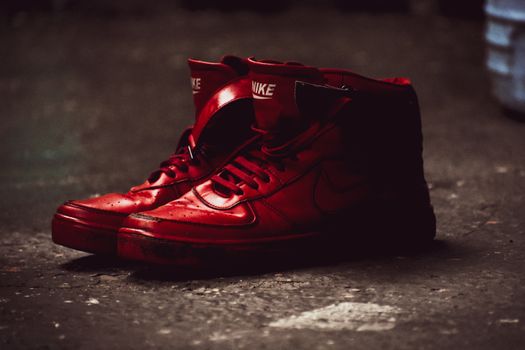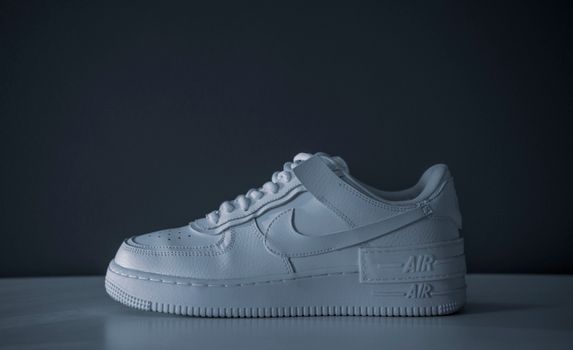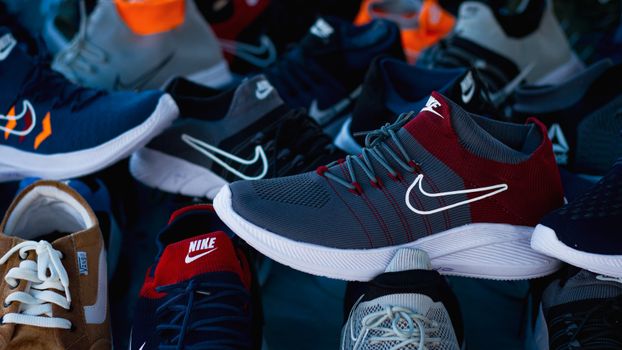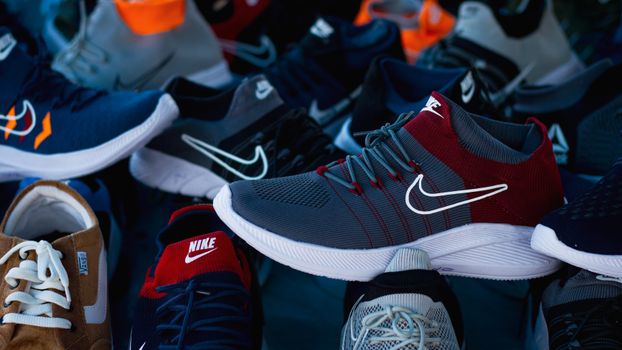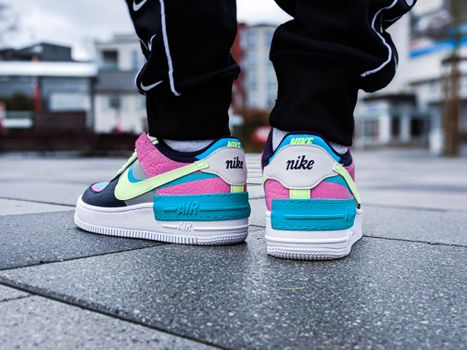
Nike sneakers are more than just shoes—they’re a cultural icon, a technological marvel, and, for many, a smart investment. While the initial price tag of a pair of Nikes can be higher than other brands, countless sneaker enthusiasts, athletes, and investors argue that the value far exceeds the cost. From groundbreaking technology and durability to their impressive resale value and cultural cachet, let’s explore the compelling reasons why Nike sneakers are truly worth the investment.
The Enduring Value of Nike Sneakers
Nike’s global reputation is built on decades of innovation, quality, and cultural influence. The brand sold over $51 billion worth of products in fiscal year 2023, and sneakers are a major driver of this success. But what sets Nike sneakers apart, making them not only a footwear choice but also a long-term asset?
First, Nike’s commitment to quality materials and construction ensures that their shoes outlast many competitors. A 2021 study by RunRepeat found that Nike sneakers, on average, last 400-500 miles for running shoes, which is 15% longer than the industry average. This durability translates to less frequent replacements, saving money over time.
.png)
Second, Nike’s relentless pursuit of innovation—think Air cushioning, Flyknit, and React foam—means buyers get access to some of the best performance technology available. These advancements not only boost athletic performance but also increase the overall lifespan of the product, making them a solid investment for both athletes and casual wearers.
Resale Market: Nike Sneakers as Investment Assets
One of the most fascinating aspects of Nike sneakers is their strength in the resale market. Limited releases, collaborations, and iconic models have turned certain Nike sneakers into highly sought-after collectibles. According to StockX, a leading sneaker resale platform, the sneaker resale market was valued at over $6 billion globally in 2023, with Nike dominating the charts.
For example, the Nike Air Jordan 1 “Chicago” originally retailed for $160 in 2015. As of early 2024, pairs in good condition can fetch over $2,000 on resale platforms—a staggering 1,150% increase in value. Similarly, collaborations with artists like Travis Scott and Virgil Abloh (Off-White) have seen sneakers resell for 5-10 times their original price.
Below is a comparative table of some of Nike’s most notable investment-worthy sneakers and their current resale values:
| Sneaker Model | Release Year | Retail Price (USD) | Average Resale Price (2024, USD) | % Value Increase |
|---|---|---|---|---|
| Air Jordan 1 "Chicago" (2015) | 2015 | $160 | $2,000 | 1,150% |
| Nike Air Yeezy 2 "Red October" | 2014 | $245 | $8,000 | 3,165% |
| Off-White x Nike Air Presto | 2017 | $160 | $1,100 | 588% |
| Travis Scott x Nike Air Force 1 | 2019 | $160 | $900 | 463% |
These numbers underscore the potential for Nike sneakers not just to hold their value, but to appreciate significantly, especially for limited edition releases or collaborations.
Unmatched Innovation and Performance Benefits
Nike’s reputation for innovation is no accident. The brand invests over $3 billion annually in research and development, resulting in technologies that transform sneakers into high-performance tools. For example, the Nike Air cushioning system, first introduced in 1979, has evolved into a defining feature of popular models like the Air Max and Vapormax lines. The Air Zoom Alphafly NEXT%—worn by Eliud Kipchoge during his sub-two-hour marathon—features ZoomX foam and a carbon fiber plate, offering up to 4% improved running efficiency according to a University of Colorado study.
Nike’s Flyknit technology, launched in 2012, utilizes precision engineering to produce lightweight, breathable, and sustainable uppers, reducing waste by 60% compared to traditional methods. This means buyers are not just investing in durability and comfort, but also in products that contribute to environmental sustainability.
Furthermore, Nike sneakers are designed for versatility. Many models seamlessly transition from gym to street, maximizing their utility and further justifying the investment. The Nike Air Force 1, for instance, celebrated its 40th anniversary in 2022 and remains one of the best-selling sneakers worldwide, thanks to its blend of classic design, comfort, and adaptability.
Cultural Impact and Social Status: Wearing More Than a Shoe
The influence of Nike sneakers extends far beyond sports and fashion. They are a symbol of status, identity, and community. Celebrities, musicians, and athletes—from Michael Jordan to LeBron James and Billie Eilish—have all been seen sporting iconic Nikes, fueling demand and desirability.
A 2021 survey by Footwear News found that Nike was the most desired sneaker brand among U.S. teens for the ninth consecutive year. Social media has only amplified this effect: the hashtag #NikeSneakers has over 3.2 million posts on Instagram, with countless accounts dedicated solely to tracking sneaker drops and styling tips.
Owning a pair of limited-edition Nike sneakers is often seen as a badge of honor and a conversation starter. The sense of community among sneaker collectors is so strong that events like Sneaker Con attract thousands of enthusiasts annually. Whether you’re participating in the culture or just want to make a fashion statement, Nike sneakers offer an immediate boost in social recognition.
Durability and Cost-Per-Wear Advantage
One of the most practical reasons to invest in Nike sneakers is their durability. Quality construction, rigorous testing, and premium materials ensure that a pair of Nikes can withstand hundreds of wears. This translates into a lower cost-per-wear over time—a key metric for evaluating the real value of any wardrobe investment.
Let’s break it down: If you purchase a $120 pair of Nike Air Max and wear them 200 times, the cost-per-wear is just $0.60. In contrast, a $60 generic sneaker worn only 50 times before wearing out translates to $1.20 per wear—double the cost for less quality and comfort.
Additionally, Nike offers warranties and customer support that back up their products. Many models come with a two-year manufacturer’s warranty, reflecting the brand’s confidence in its craftsmanship.
Environmental and Ethical Considerations
Investing in Nike sneakers can also mean investing in responsible manufacturing. Over the past decade, Nike has made significant strides in sustainability. In 2023, the company reported that 78% of its products contained some recycled materials, and its Move to Zero initiative aims to achieve zero carbon and zero waste across its supply chain.
Nike’s Flyleather, introduced in 2017, uses at least 50% recycled natural leather fibers, while the Space Hippie collection showcases sneakers made from “space junk”—factory scraps and recycled materials. By choosing Nike, consumers are supporting a company that is actively working to reduce its environmental footprint, which can be a crucial factor for today’s eco-conscious buyers.
Why Nike Sneakers Are a Smart Long-Term Choice
From practical benefits like durability and comfort to the potential for significant resale returns and cultural cachet, Nike sneakers stand out as a smart investment. Their commitment to innovation ensures you’re getting top-tier technology, and their focus on sustainability means you’re making a more responsible purchasing decision.
The ability to both wear and collect Nikes—enjoying their performance features now and possibly profiting from their rarity later—sets them apart in the crowded sneaker market. Whether you’re an athlete, a fashion enthusiast, or an investor, Nike sneakers offer a compelling mix of utility, status, and future value.