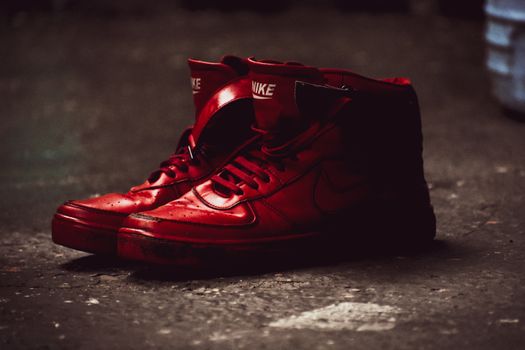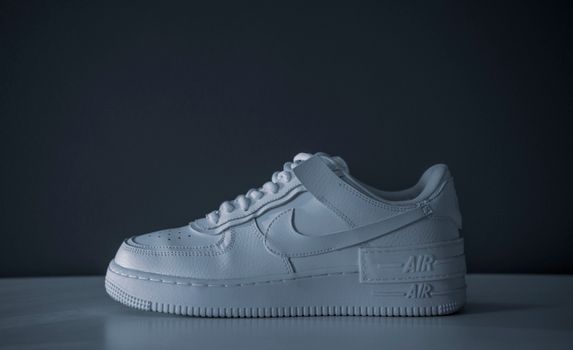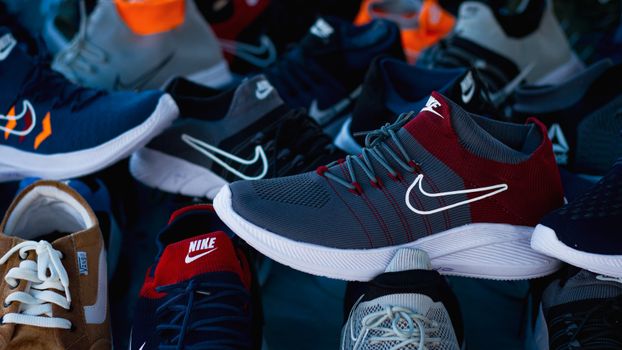
Nike has long stood at the forefront of sportswear innovation, but in recent years, the brand has gone beyond simply making great athletic shoes. Nike is actively redefining the entire sneaker game—transforming how sneakers are designed, marketed, bought, and even how they are experienced by consumers and communities. The “sneaker game” is no longer just about athletic performance or celebrity endorsements; it’s about culture, technology, sustainability, and the way we connect with the world around us. In this article, we’ll dive deep into the multi-faceted ways Nike is changing the rules for everyone, from sneakerheads to casual wearers.
Nike’s Cultural Takeover: Sneakers as Social Currency
Sneakers today are much more than functional footwear; they are a form of self-expression and a social statement. Nike has been instrumental in elevating sneakers to this cultural pedestal, positioning its products at the crossroads of fashion, music, sports, and even politics.
In 2023, a report from Statista noted that the global sneaker market surpassed $80 billion, with Nike holding a dominant 38% share. The brand’s reach into pop culture is unmatched: from collaborations with artists like Travis Scott and Billie Eilish to partnerships with designers such as Virgil Abloh and Off-White, Nike has made limited-edition drops and exclusive releases a global phenomenon.
.png)
Nike’s SNKRS app, launched in 2015, is another example of how Nike has gamified sneaker culture. The app hosts exclusive releases, draws, and interactive content, with more than 11 million downloads as of 2024. Through SNKRS, Nike has created a sense of urgency and community, where scoring a coveted pair isn’t just a purchase—it’s an achievement.
Leading with Digital Innovation: Virtual Sneakers and the Metaverse
Nike is not just transforming physical footwear; it’s pioneering the digital sneaker landscape as well. In December 2021, Nike acquired RTFKT Studios, a digital design company specializing in virtual sneakers and collectibles. This move marked Nike’s official entry into the metaverse, where digital fashion is becoming just as valuable as its real-world counterpart.
By 2023, Nike had released several NFT (non-fungible token) sneaker collections, with some pairs selling for over $10,000 in Ethereum. Their “CryptoKicks” line allows users to buy, trade, and even customize digital sneakers that can be worn by avatars in virtual worlds like Decentraland and Roblox. This digital expansion is significant: a DMarket survey reported that 74% of Gen Z gamers are interested in buying virtual items for self-expression, showing Nike’s keen eye on future markets.
Nike’s digital ambitions don’t stop at NFTs. The brand has developed AR (augmented reality) and VR (virtual reality) experiences for customers to virtually try on sneakers, enhancing the shopping experience both online and in flagship stores.
Sustainability at Scale: Circularity and Eco-Conscious Design
Nike has made sustainability a core pillar of its identity, aiming to set new standards for the entire footwear industry. In 2022, Nike announced that over 70% of all its products contained some recycled material, and the brand aims to reach zero carbon and zero waste across its supply chain by 2025.
The Nike Move to Zero initiative is a multi-pronged approach involving:
- $1 Nike’s “Flyleather” is made with at least 50% recycled natural leather fiber, and “Nike Grind” repurposes manufacturing scraps into new products. - $1 The Nike Refurbished program takes returned shoes, cleans and repairs them, and resells them at a lower price, reducing waste and making sustainable fashion more accessible. - $1 In 2021 alone, Nike’s new shipping methods eliminated the need for millions of shoeboxes, saving an estimated 7,000 metric tons of cardboard.The impact of these efforts is tangible. According to Nike’s 2023 Impact Report, the company diverted more than 1.6 billion plastic bottles from landfills by using them in shoe uppers and apparel since 2010.
Data-Driven Personalization: The Future of Fit
Nike is leveraging artificial intelligence and big data to create a more personalized sneaker experience. The Nike Fit app, launched in 2019, uses a smartphone’s camera to scan customers’ feet and recommend the ideal shoe size based on millions of data points. In a world where over 60% of people wear the wrong size shoe (according to a 2018 Footwear Distributors and Retailers of America survey), this technology reduces returns and increases customer satisfaction.
Nike’s direct-to-consumer (DTC) sales have also soared thanks to data-driven strategies. In 2023, DTC revenue exceeded $21 billion, accounting for 44% of Nike’s total sales. By analyzing purchasing habits, browsing history, and even activity tracked by the Nike Run Club app, Nike can offer tailored product recommendations, targeted promotions, and exclusive experiences.
Community Building: Local Impact with Global Reach
Beyond product innovation, Nike is changing the sneaker game by building grassroots communities and supporting social causes. The brand invests heavily in programs that empower youth and promote inclusivity in sports and creativity.
For example, Nike’s Community Impact Fund has invested over $100 million globally since its inception in 2010, supporting local organizations that provide access to sport and physical activity. The “Nike By You” customization platform allows users to create their own sneaker designs, fostering a sense of ownership and creativity.
Nike’s commitment to diversity is seen in its product lines as well. The brand offers adaptive sneakers such as the Nike Go FlyEase, designed for people with disabilities, expanding inclusivity in the sneaker world.
Comparing Nike’s Innovations: A Competitive Overview
Nike’s approach to redefining the sneaker game stands out in several key areas compared to its closest competitors. The following table compares Nike’s strategies with those of Adidas and Puma.
| Category | Nike | Adidas | Puma |
|---|---|---|---|
| Market Share (2023) | 38% | 20% | 7% |
| Virtual Sneaker Initiatives | RTFKT, NFTs, Metaverse integration | Into the Metaverse with Adidas Originals | Limited, focusing on eSports partnerships |
| Sustainability Programs | Move to Zero, Flyleather, Nike Grind | Primegreen, Parley Ocean Plastic | Forever Better, recycled materials |
| Personalization Technology | Nike Fit, Nike By You | miadidas (discontinued), Confirmed app | Puma Studio |
| Community Initiatives | Nike Community Impact Fund, youth sports | Adidas Foundation, Run for the Oceans | Puma for Peace, She Moves Us |
Conclusion: The Future of Sneakers is Now
Nike’s relentless drive to push boundaries has fundamentally reshaped what it means to be a sneaker brand. No longer just a manufacturer of athletic footwear, Nike is a cultural leader, a digital pioneer, a champion for sustainability, and a platform for personal and community expression. The brand’s ability to anticipate trends, leverage technology, and connect with communities ensures it will continue to define the sneaker game for years to come.
As the sneaker world evolves, Nike’s holistic approach—blending culture, technology, sustainability, personalization, and community—sets a blueprint for the future. For sneaker lovers and casual buyers alike, one thing is clear: Nike isn’t just keeping up with the game; it’s rewriting the rules.