.png)
Title: Nike's Flexible Running Sneakers: A Closer Look
When it comes to running sneakers, flexibility and comfort are paramount. Nike, a leading innovator in athletic footwear, has consistently set the bar high with its range of flexible running sneakers. These shoes are designed not only to meet the functional demands of runners but also to enhance performance and reduce the risk of injury. In this article, we will delve into the features, benefits, and technologies that make Nike's flexible running sneakers a top choice for athletes and casual runners alike.
Nike's journey into flexible running sneakers began with the introduction of the Nike Free series in 2004. This line was revolutionary, inspired by the insights that Stanford athletes had been training barefoot on the university's golf course. The main idea was to develop a shoe that mimicked the natural motion of the foot, promoting balance, strength, and flexibility. Over the years, Nike has refined this concept, introducing various models that cater to different running needs and styles.
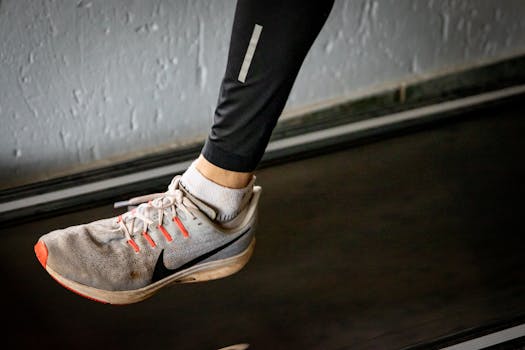
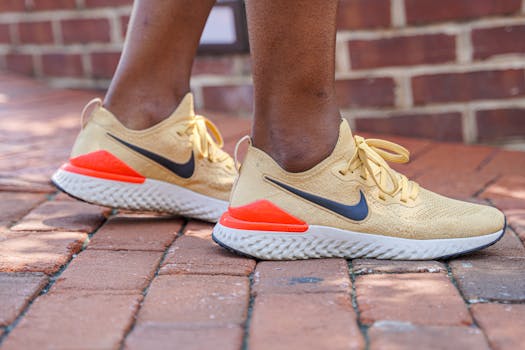
One of the standout features of Nike's flexible running sneakers is their sole design. The soles are typically made with deep cuts (known as sipes) across a grid-like pattern, which allows the shoe to flex and expand in multiple directions. This design enables the foot to move more freely and naturally, which is crucial for absorbing impact and distributing pressure evenly during a run.
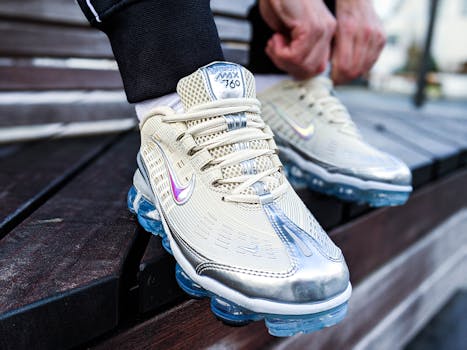
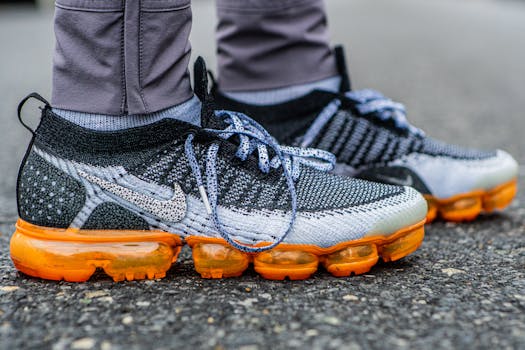
Moreover, Nike uses lightweight, high-quality materials to enhance the flexibility of its sneakers. The uppers are often constructed from a single piece of knit or mesh fabric, which not only provides excellent breathability but also reduces the overall weight of the shoe. This construction ensures that the shoe can bend and twist with the foot, making it feel like a natural extension of the body.
Another significant aspect of Nike's flexible sneakers is their cushioning technology. Nike has developed several proprietary cushioning systems, such as Nike React and Nike ZoomX, which are engineered to be both responsive and durable. These technologies provide substantial energy return, which helps propel runners forward, thereby improving efficiency and reducing fatigue.
Nike's flexible running sneakers also focus on ensuring a snug and supportive fit. The use of Flywire cables—strong, lightweight filaments that wrap around the foot—ensures a secure fit that adapts to the runner's movements. This adaptive fit helps to stabilize the foot during dynamic movements and changes in direction, which is particularly important for runners who encounter varied terrains.
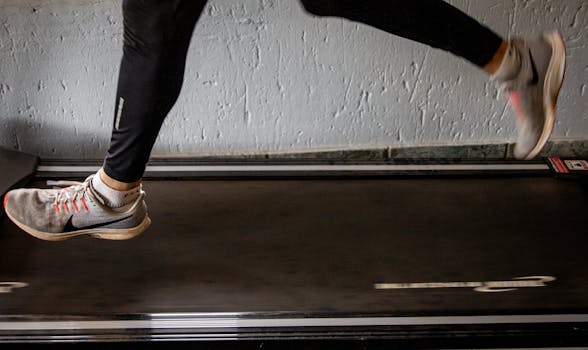
The benefits of wearing Nike's flexible running sneakers are numerous. Firstly, the flexibility helps to promote a more natural stride by allowing the foot to flex and roll through each step. This can lead to improved foot strength and better control, which are essential for both speed and endurance. Additionally, the responsive cushioning systems minimize the impact on joints, reducing the risk of injuries such as shin splints and stress fractures.
Furthermore, the lightweight and breathable materials used in these sneakers contribute to a cooler and more comfortable running experience. This is vital for long-distance runners who need to keep their feet cool and dry to prevent blisters and other discomforts.
Nike's commitment to innovation is evident in the continuous improvement and development of its flexible running sneakers. By integrating feedback from athletes and employing advanced technologies, Nike ensures that its footwear meets the evolving needs of runners at all levels.
In conclusion, Nike's flexible running sneakers are a blend of functionality, style, and cutting-edge technology. Whether you are a seasoned marathoner or a casual jogger, these sneakers offer the support, comfort, and flexibility needed to enhance your running experience. With ongoing advancements and a commitment to quality, Nike continues to lead the way in athletic footwear, making it a top choice for runners around the world.