.png)
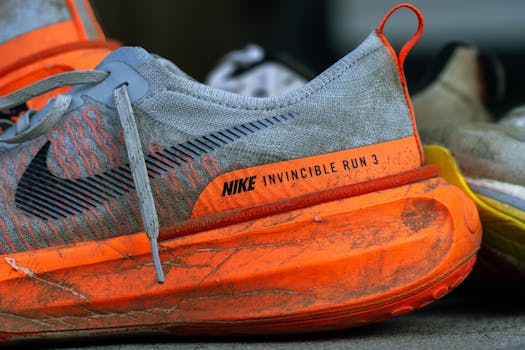
Nike is a name synonymous with innovation in the world of athletic footwear, especially in the domain of running shoes. Over more than five decades, Nike has continually pushed the boundaries of design, materials, and technology to help runners of all levels achieve their best performances. From humble beginnings to pioneering game-changing technologies like Air, Flyknit, and ZoomX foam, Nike’s running shoes have evolved dramatically. This article takes a deep dive into the evolution of Nike’s running shoe technology, highlighting key breakthroughs, the impact on performance, and what the future may hold.
The Early Years: Laying the Foundation
Nike’s journey in running shoe technology began in the early 1970s. The company, originally known as Blue Ribbon Sports, was founded by Bill Bowerman and Phil Knight in 1964, but it was in 1971 that the Nike brand and its iconic Swoosh came into existence. Bowerman, a track coach at the University of Oregon, famously experimented with running shoe designs to give his athletes an edge.
One of the earliest and most influential innovations was the “Waffle” sole, introduced in 1974 with the Nike Waffle Trainer. Bowerman used a household waffle iron to create a rubber outsole that provided superior traction and cushioning. This seemingly simple idea revolutionized running shoe grip and is widely credited as a key factor in Nike’s rapid rise in the running world.
By the late 1970s, Nike had introduced EVA foam midsoles, which offered better shock absorption compared to the rubber and leather of earlier shoes. The focus was on making shoes lighter and more comfortable, reducing fatigue for distance runners. These foundational concepts—traction, cushioning, and weight reduction—would become central themes in Nike’s ongoing pursuit of innovation.
The Air Revolution: Cushioning Takes Center Stage
Perhaps the most significant leap in Nike’s running shoe technology came in 1979 with the debut of Nike Air. The first running shoe to feature this technology was the Nike Tailwind, which incorporated a hidden “Air” bag in the midsole. This pressurized air pocket provided extra cushioning and energy return without adding significant weight.
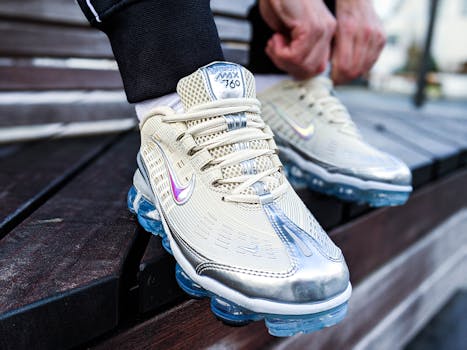
The Nike Air technology was a game-changer. According to Nike, the introduction of Air cushioning reduced impact forces by up to 30% compared to traditional foam midsoles. Over the years, Nike would refine and expand its Air technology, introducing visible Air units with the Air Max line in 1987, captivating runners and sneaker enthusiasts alike.
Nike’s commitment to cushioning didn’t stop at Air. The company continually experimented with new foams and airbag configurations, seeking the best balance between softness, responsiveness, and durability. By the 1990s, Nike’s Air technology had become a staple in both performance running and lifestyle footwear.
Materials Matter: The Rise of Lightweight and Sustainable Uppers
As the 21st century began, the focus of running shoe innovation shifted from just cushioning to the overall construction and materials used in the shoe’s upper. In 2012, Nike introduced Flyknit technology, a revolutionary method of knitting a one-piece upper using high-strength fibers.
Flyknit was a response to the demand for lighter, more breathable, and more form-fitting shoes. The Nike Flyknit Racer, one of the first shoes to use this technology, weighed just 160 grams (about 5.6 ounces), nearly 19% lighter than comparable models of the time. The seamless construction reduced potential hotspots and improved comfort.
Notably, Flyknit also contributed to sustainability. Nike claimed that the Flyknit process reduced upper waste by an average of 60% compared to traditional cut-and-sew methods. As of 2023, Nike had diverted more than 7.5 billion plastic bottles from landfills by using recycled materials in their shoes, much of it in Flyknit constructions.
Other material innovations followed, including the use of engineered mesh, lightweight synthetics, and recycled yarns. These updates allowed Nike to offer shoes that were not only high-performing but also increasingly environmentally conscious.
Midsole Innovations: From Lunarlon to ZoomX Foam
A running shoe’s midsole is its engine, responsible for delivering both cushioning and energy return. After the initial success of Air, Nike explored new foam compounds to improve these properties further.
In 2008, Nike launched Lunarlon foam, which used a blend of EVA and nitrile rubber to create a softer, more responsive ride. Lunarlon was 30% lighter than standard Phylon foam and offered a unique “springy” sensation, quickly becoming popular among runners.
However, the most significant midsole breakthrough came in 2017 with the introduction of ZoomX foam in the Nike Zoom Vaporfly 4%. Developed in collaboration with elite marathoners, ZoomX foam used Pebax, a thermoplastic elastomer, to deliver a combination of ultra-light weight and exceptional energy return. According to independent testing, ZoomX foam returned up to 85% of a runner’s energy, compared to 60-70% for traditional EVA foams.
Coupled with a full-length carbon fiber plate, the Vaporfly 4% and its successors (including the Alphafly NEXT%) were credited with helping athletes set new world records. In the 2019 Vienna marathon, Eliud Kipchoge wore a prototype of the Alphafly NEXT% to become the first person to run a sub-2-hour marathon.
Data Overview: Comparing Key Nike Running Shoe Technologies
To better understand the evolution and impact of Nike’s running shoe technology, the following table compares some of the brand’s most influential innovations:
| Technology | First Introduced | Main Benefit | Energy Return (%) | Notable Models |
|---|---|---|---|---|
| Waffle Sole | 1974 | Traction, durability | N/A | Waffle Trainer |
| Nike Air | 1979 | Cushioning, shock absorption | ~65% | Tailwind, Air Max series |
| Flyknit | 2012 | Lightweight, breathability, fit | N/A | Flyknit Racer, Epic React |
| Lunarlon | 2008 | Soft, responsive cushioning | ~70% | LunarGlide, LunarEpic |
| ZoomX Foam | 2017 | Maximum energy return, lightweight | Up to 85% | Vaporfly 4%, Alphafly NEXT% |
Performance and the “Super Shoe” Era
The advent of ZoomX foam and carbon fiber plates marked the beginning of what many call the “super shoe” era in competitive running. Studies published in 2018 and 2019 by the University of Colorado and other institutions showed that runners wearing Nike’s Vaporfly shoes used 4% less energy at marathon pace compared to those wearing standard racing flats. This seemingly small margin translated into significant performance gains over long distances.
The impact was immediate and profound. Between 2017 and 2020, more than 50% of major marathon podium finishers wore Nike’s carbon-plated shoes. The technology became so dominant that World Athletics, the sport’s governing body, instituted new rules in 2020 to regulate midsole stack heights and carbon plate configurations.
For everyday runners, Nike adapted these technologies into models like the Nike Zoom Fly and Pegasus Turbo, making high-performance features available to a broader audience. The result has been a democratization of running shoe innovation, with runners at all levels benefiting from advances originally developed for the world’s elite.
Looking to the Future: Sustainability and Smart Technology
Nike’s focus is not just on speed and performance; sustainability and digital integration are increasingly central to its innovation strategy. In 2021, Nike launched Move to Zero, a company-wide initiative to achieve zero carbon and zero waste. The Nike Air Zoom Alphafly NEXT% 2, for example, uses at least 50% recycled content by weight in the upper.
Additionally, Nike has begun experimenting with smart technology in running shoes. The Nike Adapt system, introduced in basketball and running models, allows for app-controlled, self-lacing shoes that adjust fit in real time. While still in early stages for running, these digital integrations point to a future where shoes may provide personalized feedback and performance analytics directly to the wearer.
With ongoing research into new materials, biomechanics, and digital connectivity, Nike is poised to keep shaping the future of running shoes for years to come.
Conclusion: Nike’s Lasting Impact on Running Shoe Technology
From the Waffle Trainer to the latest carbon-plated marathon racers, Nike’s running shoe technology has evolved through relentless innovation and a deep understanding of runners’ needs. The company’s commitment to pushing the boundaries of design, materials, and performance has resulted in shoes that help athletes run farther, faster, and more comfortably. With a growing emphasis on sustainability and smart features, Nike’s influence shows no sign of slowing down. Whether you’re a casual jogger or an elite marathoner, Nike’s legacy of innovation in running footwear continues to shape the way the world runs.