Nike Free Shoes: Redefining Running Comfort
When it comes to running shoes, comfort, flexibility, and support are paramount. Nike Free shoes have been at the forefront of redefining what runners can expect from their footwear. This article delves into the innovative design and technology behind Nike Free shoes, explaining why they are a top choice for runners seeking a blend of comfort and natural movement.
Nike Free shoes were introduced in 2004, inspired by the observation that athletes training barefoot on grass resulted in fewer injuries and improved performance. This observation led to the development of a shoe that could provide the feel of barefoot running while also offering the necessary protection and support. The result was a revolutionary line of footwear that challenges conventional running shoe design.
The core of Nike Free's innovation lies in its sole design. Unlike traditional running shoes that have a stiff sole, Nike Free shoes feature a highly flexible sole that allows the foot to move as if it were barefoot. The sole is composed of deep cuts (known as sipes) across a grid of multi-directional nodes. These sipes allow for a dynamic range of motion in all directions, enhancing the natural flexibility of the foot.
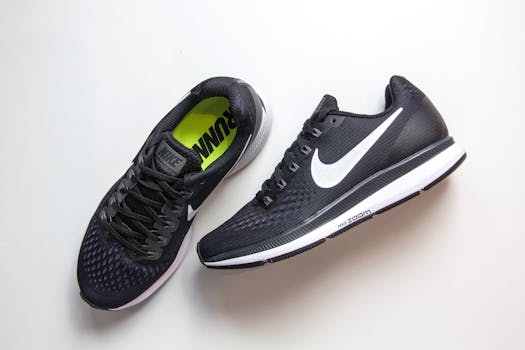
Another significant aspect of Nike Free shoes is their lightweight construction. The upper part of the shoe is often made from a breathable mesh material that fits snugly around the foot, providing a balance of support and flexibility. This mesh not only reduces the overall weight of the shoe but also enhances ventilation, keeping the feet cool and dry during long runs.
Nike Free shoes also come with varying levels of cushioning and support to cater to different running needs. For instance, models like the Nike Free RN are designed with more cushioning for those who require additional support and comfort, making them ideal for longer distances. On the other hand, models such as the Nike Free 3.0 offer less cushioning, which allows for a closer-to-ground feel, suitable for shorter runs or speed training.
The adaptability of Nike Free shoes makes them suitable for a wide range of activities beyond running. They are popular among gym-goers for weight training and fitness classes due to their stability and flexibility. Additionally, their stylish design and variety of color options have made them a favorite for casual wear.
One of the most appealing aspects of Nike Free shoes is their role in injury prevention. The flexibility of the sole allows for natural foot movements, reducing the strain on the feet and legs during a run. Moreover, the lightweight nature of the shoes means less weight for the legs to carry, which can lead to less overall fatigue and a lower risk of injury.
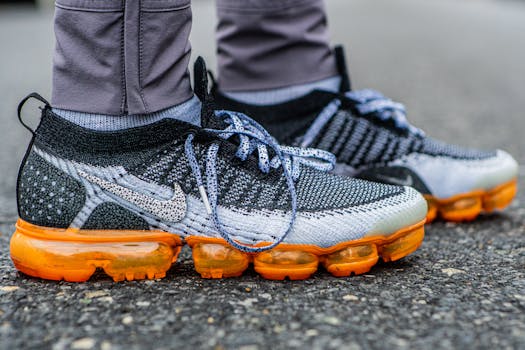
Nike has continuously innovated and expanded the Nike Free line, incorporating feedback from athletes and advancements in technology to improve performance and comfort. The introduction of Flyknit technology in some Nike Free models is a perfect example. Flyknit provides a seamless, sock-like upper that reduces weight and enhances breathability, while still providing the necessary support and durability.
In conclusion, Nike Free shoes stand out in the crowded field of running shoes by offering a unique blend of flexibility, support, and lightweight design. They redefine what it means to wear a running shoe, providing a more natural and comfortable running experience that caters to a variety of running styles and needs. Whether you are a seasoned marathoner or a casual runner, Nike Free shoes offer a versatile option that can enhance your running and training sessions.